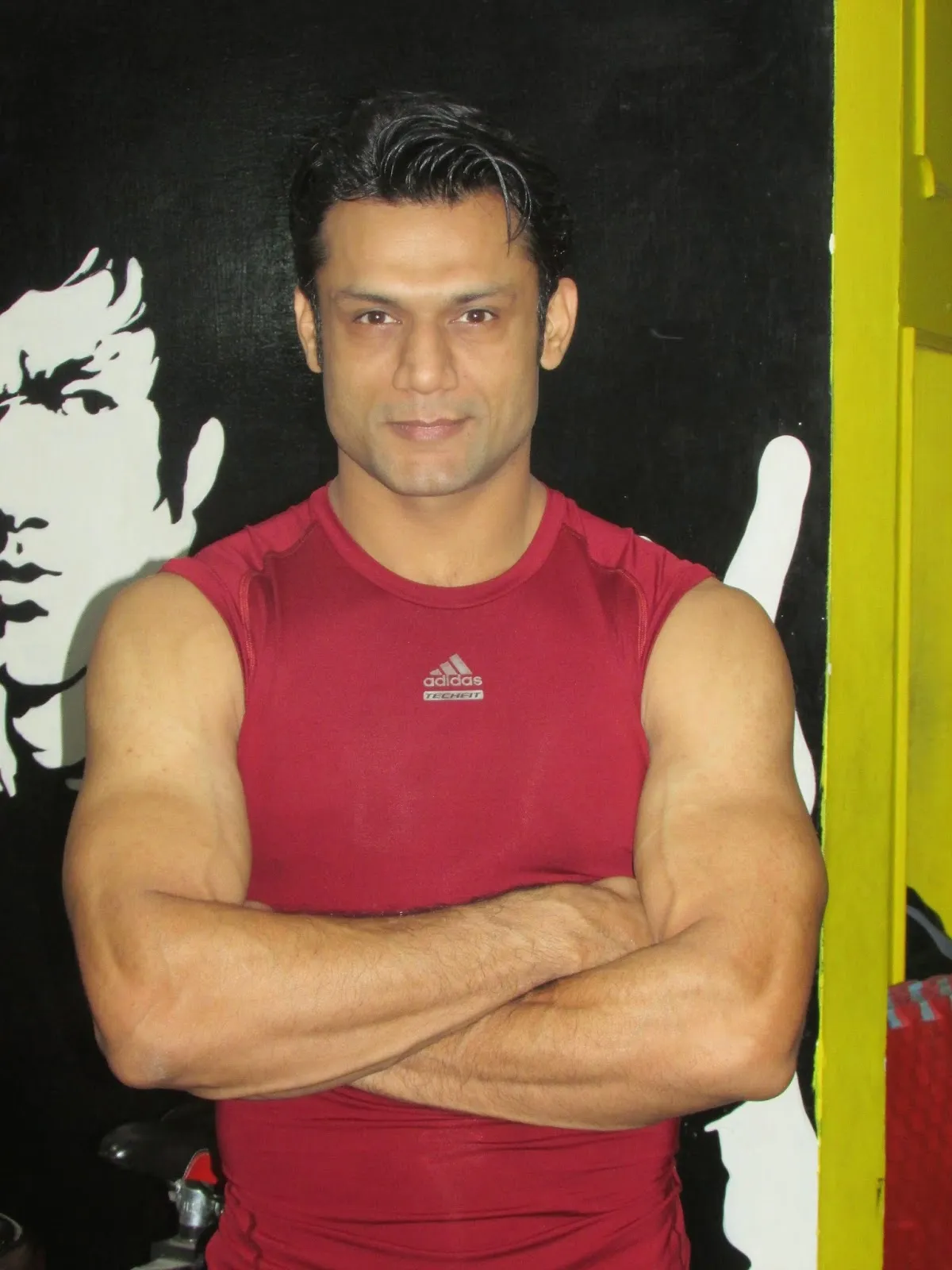

Written By: Neeraj Mehta (Ph.D Human Biomechanics)
The better an athlete’s technique is, the more likely they are to perform successfully and prevent injury. So, “It is necessary to utilize corrective biomechanics to counteract the risk of damage, joint dysfunction, or discomfort caused by repetitive anti-joint movements during sports or exercise”.
By Neeraj Mehta [Ph.D.-Biomechanics, Professor at ASFU (USA) & COO – GFFI Fitness Academy]
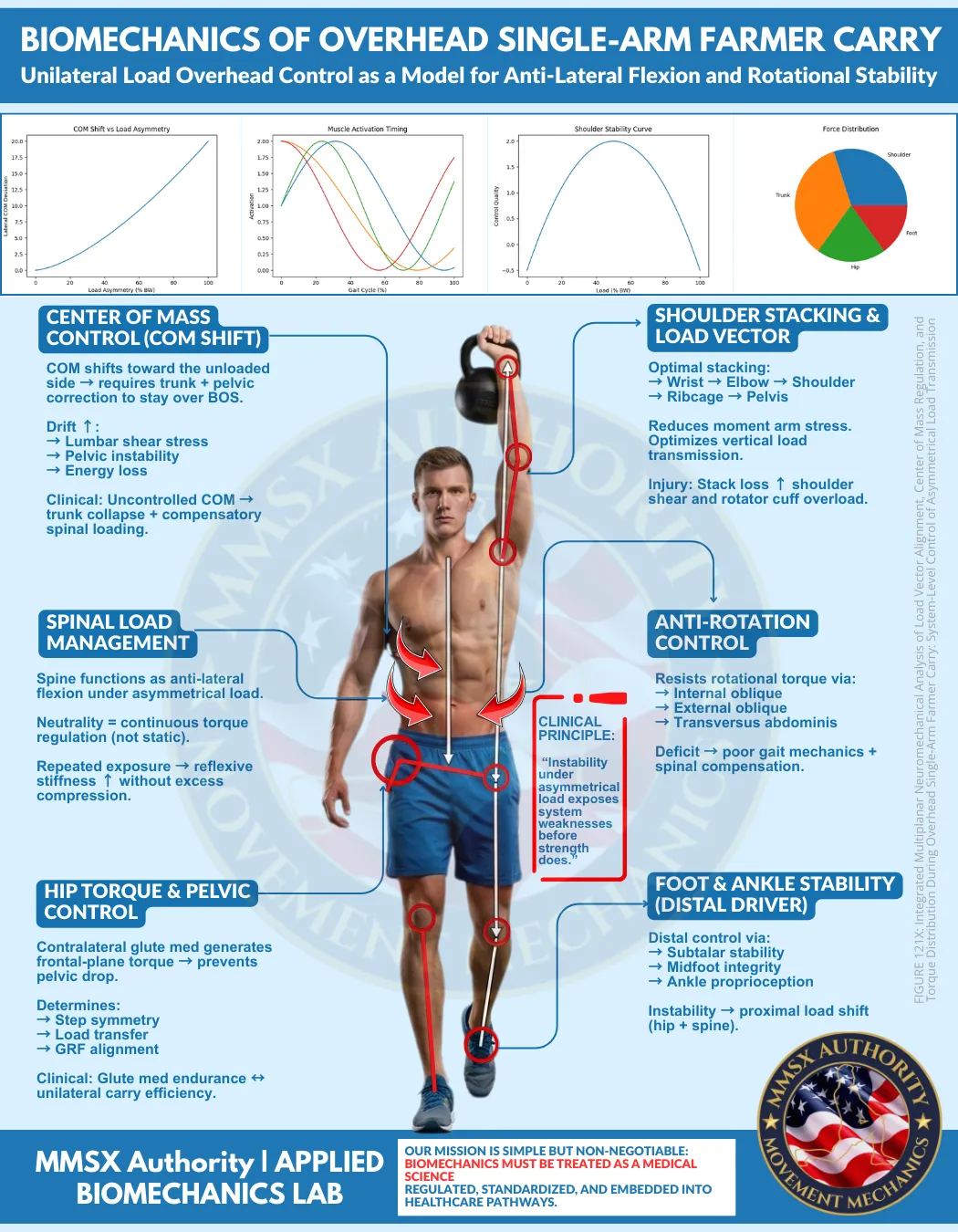
To improve athletic performance and reduce injury, biomechanics with appropriate methods such as corrective movement, stability patrons, mathematical modeling, computer simulations, and measurements are required.
It can be used in a variety of sports and fitness activities to identify appropriate movement patterns in order to develop sport-specific methods.
Understanding the need:
Biomechanics is the foundation of good technique in all sports, and understanding and applying it is the first step. Biomechanics is the study of human motion in terms of its mechanical parameters. Optimizing movement patterns can improve performance and reduce the risk of injury in sports.
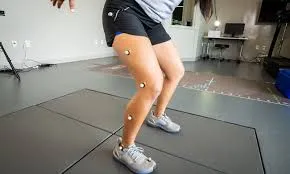
As a result, we can relieve pressure on the bones, joints, muscles, and ligaments by observing how the human body naturally wants to move. In sports medicine, biomechanics is a useful tool for identifying the forces and mechanical energy responsible for injuries. Understanding how injuries occur, how to avoid them while participating in sports, and how to identify exercises that are appropriate for injury prevention and rehabilitation are all made easier with this knowledge.
The Importance of Biomechanics for Coaches:
Because biomechanics is so important for coaches and trainers: We know that Biomechanics improves performance by making use of mechanical principles to enhance a person’s approach to movement. The angular function of the machines designed by engineers needed to be modified or corrected by biomechanists so that no pressure or a minor pressure is applied to the associated joints or stabilizers and more use is made of the prime mover to enhance performance abilities and to modify specific training protocols that the coach or trainer implements to help an individual’s performance.
As experts, we know that technique is essential because it teaches the body to move in specific ways that allow for a free flow of movement. Strength, agility, stamina, and flexibility all benefit from it.
Trainers and teachers must first learn the importance of biomechanics in movement science before they can begin training their students in proper body mechanics, posture, and flow of movement, so it is important to emphasize technique rather than strength or speed.
Assessment Requirement for Corrective Action in Sports or Exercise:
Athletes should be screened for their ability to do some basic motions in order to ensure that they are ready to participate in or return to their sport.
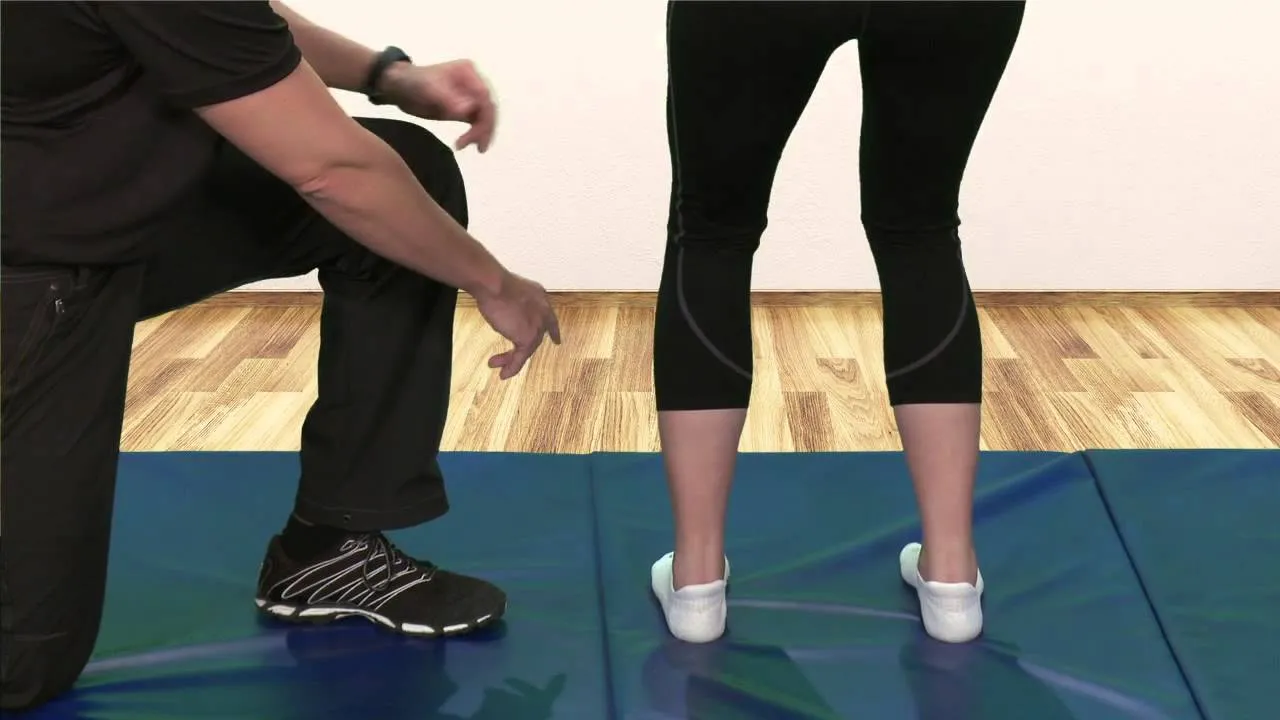
Many sportsmen and individuals, I feel, are functioning at a high level despite the fact that their fundamental movements are inefficient. As a result, these individuals are trying to add fitness to dysfunction without even realizing it. In many cases, people exercise around a pre-existing issue or do not work on their deficiencies during sports movements or their strength and conditioning programs.
However, even with the most cutting-edge equipment and exercise regimens available in today’s training and rehabilitation market, athletes or medical professionals will not be able to reach their full potential without first identifying and correcting their foundational flaws. A person’s weak spot should be taken into consideration while creating a training plan for them. Weaknesses in this area include either physical or functional limitations. To find the weak link, it is necessary to examine the body’s basic movement patterns. The majority of individuals don’t begin their strength and conditioning or rehabilitation programs by checking to see whether they have suitable movement patterns in place. So, I recommend that competent professionals evaluate the athlete’s fundamental motions during their specific activity or exercise in order to improve their overall performance in sports or physical activity.
Requirements of Competent Professionals and Equipment:
The coaching profession is always developing, and coaches at all levels of sports competition must possess knowledge that extends beyond the Xs and Os. Coaches, being the primary individuals charged with developing athletes and aiding them in accomplishing their goals, should establish a working knowledge of all areas related with performance development. Sports administration, sports medicine, strength and conditioning, and sports psychology, in particular, may assist coaches in improving their athletes physically and mentally.
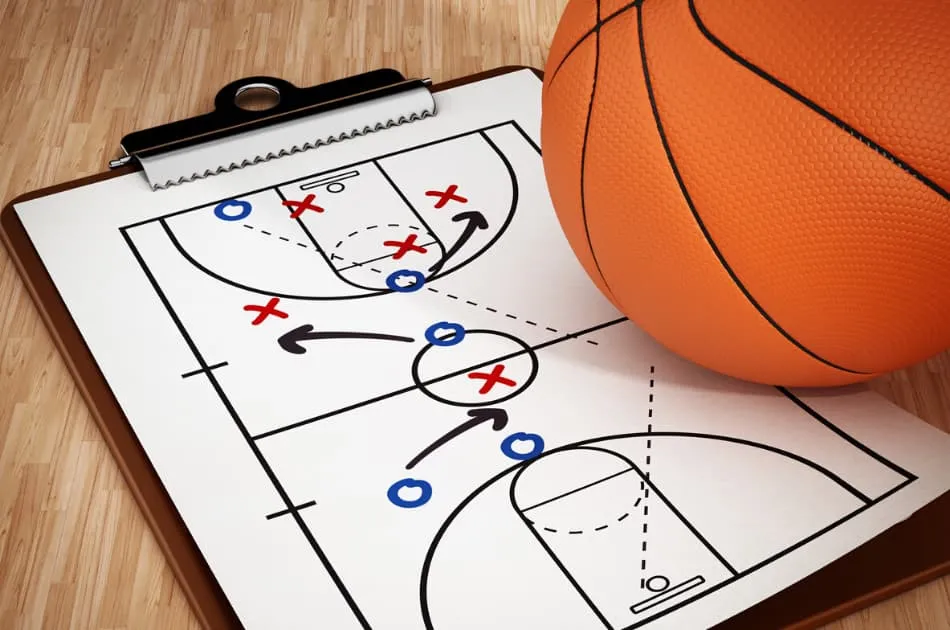
It is critical for coaches to have an optimistic outlook on the future of their programs. Coaches should do risk management research on a regular basis, renew their knowledge and expertise, and either become competent or refer to a competent specialist. This will help coaches prepare their players for competition while also lowering external hazards.
Biomechanists or other qualified specialists evaluate the athlete’s motions and forces in order to get a better understanding of performance and injury. They use a wide range of tools, including high-speed 2D cameras, 3D motion capture systems, force platforms, inertial measurement systems, speed guns, electromyography, and pressure distribution systems, to measure movement.. However, the advancement of technology now allows for detailed field-based and competition-based capture.
It is also crucial for a sportsperson or exerciser to monitor their own movement and its effects on the body in terms of flexibility, agility, and stability.
Athletes and coaches must collaborate in order to increase performance by modifying movement methods and sports equipment. This has the potential to have a big impact on an athlete’s performance.
reference:
https://www.ncbi.nlm.nih.gov/pmc/articles/PMC6405413/
https://www.urmc.rochester.edu/encyclopedia/content.aspx?contenttypeid=85&contentid=P00935
https://www.physio-pedia.com/Biomechanics_In_Sport
https://bjsm.bmj.com/content/50/5/273
https://www.hindawi.com/journals/abb/si/537230/
https://us.humankinetics.com/blogs/excerpt/apply-biomechanics-to-improve-techniques
https://www.lancashirebusinessview.co.uk/latest-news-and-features/why-is-biomechanics-so-important
https://ojs.ub.uni-konstanz.de/cpa/article/view/3620
https://www.ncbi.nlm.nih.gov/pmc/articles/PMC4275191/
https://www.frontiersin.org/articles/10.3389/fphys.2018.00264/full
https://nyulangone.org/locations/sports-performance-center/sports-performance-testing-programs
https://dem.nv.gov/DEM/Past_Blogs/02_EOBLOG/
https://journals.sagepub.com/doi/full/10.1177/09504222211016284
https://www.jobsinsports.com/blog/2017/06/07/2109/
https://www.tandfonline.com/doi/full/10.1080/21520704.2016.1167150
लेखक: डॉ. नीरज मेहता, PhD (Ph.D ह्यूमन बायोमैकेनिक्स)
किसी एथलीट की तकनीक जितनी बेहतर होती है, उसके सफलतापूर्वक प्रदर्शन करने और चोट से बचने की संभावना उतनी ही अधिक होती है। अतः, "खेल या व्यायाम के दौरान बार-बार की जाने वाली संधि-प्रतिकूल गतियों (anti-joint movements) से होने वाली क्षति, संधि दुष्क्रिया (joint dysfunction) या असुविधा के जोखिम का प्रतिकार करने के लिए सुधारात्मक बायोमैकेनिक्स (corrective biomechanics) का उपयोग करना आवश्यक है"।
डॉ. नीरज मेहता, PhD द्वारा [Ph.D.-बायोमैकेनिक्स, ASFU (USA) में प्रोफ़ेसर तथा COO – GFFI Fitness Academy]
खेल प्रदर्शन को बेहतर बनाने और चोट को कम करने के लिए सुधारात्मक गति (corrective movement), स्थिरता प्रतिरूप (stability patterns), गणितीय मॉडलिंग, कंप्यूटर सिमुलेशन और मापन जैसी उपयुक्त पद्धतियों के साथ बायोमैकेनिक्स आवश्यक है।
खेल-विशिष्ट पद्धतियाँ विकसित करने हेतु उपयुक्त गति-प्रतिरूपों (movement patterns) की पहचान के लिए इसका उपयोग विभिन्न प्रकार के खेलों और फ़िटनेस गतिविधियों में किया जा सकता है।
आवश्यकता को समझना:
बायोमैकेनिक्स सभी खेलों में अच्छी तकनीक का आधार है, और इसे समझना तथा लागू करना पहला कदम है। बायोमैकेनिक्स मानव गति का उसके यांत्रिक मापदंडों के संदर्भ में अध्ययन है। गति-प्रतिरूपों को सर्वोत्तम बनाने से खेलों में प्रदर्शन बेहतर हो सकता है और चोट का जोखिम घट सकता है।
परिणामस्वरूप, मानव शरीर स्वाभाविक रूप से किस प्रकार गति करना चाहता है, इसका अवलोकन करके हम अस्थियों, संधियों, मांसपेशियों और स्नायुबंधनों (ligaments) पर पड़ने वाले दबाव को कम कर सकते हैं। खेल चिकित्सा में, बायोमैकेनिक्स चोटों के लिए उत्तरदायी बलों और यांत्रिक ऊर्जा की पहचान करने का एक उपयोगी साधन है। इस ज्ञान से यह समझना सरल हो जाता है कि चोटें कैसे लगती हैं, खेलों में भाग लेते समय उनसे कैसे बचा जाए, और चोट निवारण तथा पुनर्वास के लिए उपयुक्त व्यायामों की पहचान कैसे की जाए।
कोचों के लिए बायोमैकेनिक्स का महत्व:
क्योंकि बायोमैकेनिक्स कोचों और ट्रेनरों के लिए अत्यंत महत्वपूर्ण है: हम जानते हैं कि बायोमैकेनिक्स यांत्रिक सिद्धांतों का उपयोग करके व्यक्ति की गति-पद्धति को बेहतर बनाते हुए प्रदर्शन में सुधार करता है। अभियंताओं द्वारा डिज़ाइन की गई मशीनों के कोणीय कार्य (angular function) को बायोमैकेनिस्टों द्वारा संशोधित या सुधारा जाना आवश्यक था, ताकि संबंधित संधियों या स्थिरकों (stabilizers) पर कोई दबाव न पड़े या केवल अल्प दबाव पड़े, और प्रदर्शन क्षमताओं को बढ़ाने के लिए प्रमुख संचालक पेशी (prime mover) का अधिक उपयोग हो, तथा उन विशिष्ट प्रशिक्षण प्रोटोकॉल में संशोधन किया जा सके जिन्हें कोच या ट्रेनर किसी व्यक्ति के प्रदर्शन में सहायता के लिए लागू करते हैं।
विशेषज्ञों के रूप में हम जानते हैं कि तकनीक अनिवार्य है, क्योंकि यह शरीर को विशिष्ट ढंग से गति करना सिखाती है जिससे गति का निर्बाध प्रवाह संभव होता है। शक्ति, चपलता (agility), सहनशक्ति (stamina) और लचीलापन, सभी इससे लाभान्वित होते हैं।
ट्रेनरों और शिक्षकों को अपने विद्यार्थियों को उचित शारीरिक यांत्रिकी (body mechanics), मुद्रा और गति-प्रवाह का प्रशिक्षण देना आरंभ करने से पहले स्वयं गति विज्ञान में बायोमैकेनिक्स के महत्व को सीखना चाहिए; अतः शक्ति या गति की तुलना में तकनीक पर बल देना महत्वपूर्ण है।
खेल या व्यायाम में सुधारात्मक कार्रवाई हेतु मूल्यांकन की आवश्यकता:
यह सुनिश्चित करने के लिए कि एथलीट अपने खेल में भाग लेने या उसमें लौटने के लिए तैयार हैं, कुछ मूलभूत गतियाँ करने की उनकी क्षमता की जाँच (screening) की जानी चाहिए।
मेरे विचार में, अनेक खिलाड़ी और व्यक्ति अपनी मूलभूत गतियों के अकुशल होने के बावजूद उच्च स्तर पर कार्य कर रहे हैं। परिणामस्वरूप, ये व्यक्ति अनजाने में ही दुष्क्रिया (dysfunction) के ऊपर फ़िटनेस जोड़ने का प्रयास कर रहे हैं। अनेक मामलों में लोग किसी पूर्व-विद्यमान समस्या से बचते हुए व्यायाम करते हैं, या खेल गतियों अथवा अपने स्ट्रेंथ एवं कंडीशनिंग कार्यक्रमों के दौरान अपनी कमियों पर कार्य नहीं करते।
तथापि, आज के प्रशिक्षण और पुनर्वास बाज़ार में उपलब्ध सबसे अत्याधुनिक उपकरणों और व्यायाम पद्धतियों के होते हुए भी, एथलीट या चिकित्सा पेशेवर अपनी मूलभूत त्रुटियों की पहचान और सुधार किए बिना अपनी पूर्ण क्षमता तक नहीं पहुँच पाएँगे। किसी व्यक्ति के लिए प्रशिक्षण योजना बनाते समय उसकी कमज़ोर कड़ी को ध्यान में रखा जाना चाहिए। इस क्षेत्र की कमज़ोरियों में शारीरिक या कार्यात्मक सीमाएँ सम्मिलित हैं। कमज़ोर कड़ी (weak link) का पता लगाने के लिए शरीर के मूलभूत गति-प्रतिरूपों का परीक्षण करना आवश्यक है। अधिकांश व्यक्ति अपने स्ट्रेंथ एवं कंडीशनिंग या पुनर्वास कार्यक्रम का आरंभ यह जाँचकर नहीं करते कि उनके उपयुक्त गति-प्रतिरूप स्थापित हैं या नहीं। अतः मेरी अनुशंसा है कि खेल या शारीरिक गतिविधि में समग्र प्रदर्शन को बेहतर बनाने के लिए सक्षम पेशेवर एथलीट की विशिष्ट गतिविधि या व्यायाम के दौरान उसकी मूलभूत गतियों का मूल्यांकन करें।
सक्षम पेशेवरों और उपकरणों की आवश्यकताएँ:
कोचिंग का पेशा निरंतर विकसित हो रहा है, और खेल प्रतियोगिता के सभी स्तरों के कोचों के पास ऐसा ज्ञान होना चाहिए जो केवल रणनीतिक योजनाओं (Xs and Os) से आगे जाता हो। एथलीटों को विकसित करने और उनके लक्ष्य प्राप्त करने में सहायता करने के लिए प्राथमिक रूप से उत्तरदायी व्यक्ति होने के नाते, कोचों को प्रदर्शन विकास से संबंधित सभी क्षेत्रों का कार्यसाधक ज्ञान प्राप्त करना चाहिए। विशेष रूप से खेल प्रशासन, खेल चिकित्सा, स्ट्रेंथ एवं कंडीशनिंग और खेल मनोविज्ञान कोचों को अपने एथलीटों को शारीरिक और मानसिक रूप से बेहतर बनाने में सहायता कर सकते हैं।
कोचों के लिए अपने कार्यक्रमों के भविष्य के प्रति आशावादी दृष्टिकोण रखना अत्यंत आवश्यक है। कोचों को नियमित रूप से जोखिम प्रबंधन (risk management) संबंधी शोध करना चाहिए, अपने ज्ञान और विशेषज्ञता को अद्यतन करना चाहिए, और या तो स्वयं सक्षम बनना चाहिए या किसी सक्षम विशेषज्ञ के पास भेजना चाहिए। इससे कोचों को अपने खिलाड़ियों को प्रतियोगिता के लिए तैयार करने के साथ-साथ बाहरी जोखिमों को कम करने में भी सहायता मिलेगी।
प्रदर्शन और चोट को बेहतर ढंग से समझने के लिए बायोमैकेनिस्ट या अन्य योग्य विशेषज्ञ एथलीट की गतियों और बलों का मूल्यांकन करते हैं। गति के मापन के लिए वे अनेक प्रकार के उपकरणों का उपयोग करते हैं, जिनमें हाई-स्पीड 2D कैमरे, 3D मोशन कैप्चर प्रणालियाँ, फ़ोर्स प्लेटफ़ॉर्म, जड़त्वीय मापन प्रणालियाँ (inertial measurement systems), स्पीड गन, इलेक्ट्रोमायोग्राफ़ी (electromyography) और दाब वितरण प्रणालियाँ सम्मिलित हैं। तथापि, प्रौद्योगिकी की प्रगति अब मैदान-आधारित और प्रतियोगिता-आधारित विस्तृत डेटा संग्रहण को भी संभव बनाती है।
किसी खिलाड़ी या व्यायाम करने वाले व्यक्ति के लिए यह भी अत्यंत आवश्यक है कि वह लचीलेपन, चपलता और स्थिरता के संदर्भ में अपनी गति और शरीर पर उसके प्रभावों की निगरानी करे।
गति-पद्धतियों और खेल उपकरणों में संशोधन करके प्रदर्शन को बढ़ाने के लिए एथलीटों और कोचों को परस्पर सहयोग करना चाहिए। इसमें किसी एथलीट के प्रदर्शन पर बड़ा प्रभाव डालने की क्षमता है।
संदर्भ:
https://www.ncbi.nlm.nih.gov/pmc/articles/PMC6405413/
https://www.urmc.rochester.edu/encyclopedia/content.aspx?contenttypeid=85&contentid=P00935
https://www.physio-pedia.com/Biomechanics_In_Sport
https://bjsm.bmj.com/content/50/5/273
https://www.hindawi.com/journals/abb/si/537230/
https://us.humankinetics.com/blogs/excerpt/apply-biomechanics-to-improve-techniques
https://www.lancashirebusinessview.co.uk/latest-news-and-features/why-is-biomechanics-so-important
https://ojs.ub.uni-konstanz.de/cpa/article/view/3620
https://www.ncbi.nlm.nih.gov/pmc/articles/PMC4275191/
https://www.frontiersin.org/articles/10.3389/fphys.2018.00264/full
https://nyulangone.org/locations/sports-performance-center/sports-performance-testing-programs
https://dem.nv.gov/DEM/Past_Blogs/02_EOBLOG/
https://journals.sagepub.com/doi/full/10.1177/09504222211016284
https://www.jobsinsports.com/blog/2017/06/07/2109/
https://www.tandfonline.com/doi/full/10.1080/21520704.2016.1167150
Escrito por: Dr. Neeraj Mehta, PhD (Ph.D. en Biomecánica Humana)
Cuanto mejor sea la técnica de un atleta, mayor será la probabilidad de que rinda con éxito y prevenga lesiones. Por ello, «es necesario recurrir a la biomecánica correctiva para contrarrestar el riesgo de daño, disfunción articular o molestias causadas por movimientos repetitivos contrarios a la articulación durante el deporte o el ejercicio».
Por Dr. Neeraj Mehta, PhD [Ph.D. en Biomecánica, profesor en ASFU (EE. UU.) y COO de GFFI Fitness Academy]
Para mejorar el rendimiento deportivo y reducir las lesiones, se requiere una biomecánica con métodos adecuados, como el movimiento correctivo, los patrones de estabilidad, la modelización matemática, las simulaciones por ordenador y las mediciones.
Puede aplicarse en diversas actividades deportivas y de fitness para identificar los patrones de movimiento adecuados con el fin de desarrollar métodos específicos para cada deporte.
Comprender la necesidad:
La biomecánica es el fundamento de una buena técnica en todos los deportes, y comprenderla y aplicarla constituye el primer paso. La biomecánica es el estudio del movimiento humano en función de sus parámetros mecánicos. Optimizar los patrones de movimiento puede mejorar el rendimiento y reducir el riesgo de lesiones en el deporte.
En consecuencia, podemos aliviar la presión sobre los huesos, las articulaciones, los músculos y los ligamentos observando cómo tiende a moverse de forma natural el cuerpo humano. En la medicina deportiva, la biomecánica es una herramienta útil para identificar las fuerzas y la energía mecánica responsables de las lesiones. Este conocimiento facilita comprender cómo se producen las lesiones, cómo evitarlas durante la práctica deportiva y cómo identificar los ejercicios adecuados para la prevención de lesiones y la rehabilitación.
La importancia de la biomecánica para los entrenadores:
La biomecánica es sumamente importante para los entrenadores y preparadores: sabemos que la biomecánica mejora el rendimiento al servirse de los principios mecánicos para perfeccionar la forma en que una persona aborda el movimiento. Los biomecánicos tuvieron que modificar o corregir la función angular de las máquinas diseñadas por los ingenieros, de modo que no se aplique presión, o solo una presión mínima, sobre las articulaciones o los estabilizadores asociados, y se aproveche en mayor medida el motor principal (prime mover) para potenciar las capacidades de rendimiento y ajustar los protocolos de entrenamiento específicos que el entrenador o preparador aplica para mejorar el rendimiento de una persona.
Como expertos, sabemos que la técnica es esencial porque enseña al cuerpo a moverse de maneras específicas que permiten una fluidez libre del movimiento. La fuerza, la agilidad, la resistencia y la flexibilidad se benefician de ella.
Los entrenadores y docentes deben comprender primero la importancia de la biomecánica en la ciencia del movimiento antes de comenzar a formar a sus alumnos en una correcta mecánica corporal, postura y fluidez del movimiento; por ello, es importante priorizar la técnica por encima de la fuerza o la velocidad.
Necesidad de evaluación para la acción correctiva en el deporte o el ejercicio:
Los atletas deben someterse a una evaluación de su capacidad para realizar ciertos movimientos básicos, a fin de garantizar que están preparados para participar en su deporte o volver a practicarlo.
A mi juicio, muchos deportistas y personas rinden a un nivel alto pese a que sus movimientos fundamentales son ineficientes. Como resultado, estas personas intentan añadir condición física sobre una disfunción sin siquiera darse cuenta. En muchos casos, las personas se ejercitan sorteando un problema preexistente o no trabajan sus deficiencias durante los movimientos deportivos o en sus programas de fuerza y acondicionamiento.
Sin embargo, incluso con el equipamiento y los regímenes de ejercicio más avanzados disponibles hoy en el mercado del entrenamiento y la rehabilitación, los atletas o los profesionales sanitarios no podrán alcanzar su máximo potencial sin antes identificar y corregir sus deficiencias fundamentales. Al elaborar un plan de entrenamiento para una persona, debe tenerse en cuenta su punto débil. Las debilidades en este ámbito incluyen limitaciones físicas o funcionales. Para encontrar el eslabón débil es necesario examinar los patrones básicos de movimiento del cuerpo. La mayoría de las personas no comienza sus programas de fuerza y acondicionamiento o de rehabilitación verificando si dispone de patrones de movimiento adecuados. Por ello, recomiendo que profesionales competentes evalúen los movimientos fundamentales del atleta durante su actividad o ejercicio específico, con el fin de mejorar su rendimiento global en el deporte o la actividad física.
Requisitos de profesionales competentes y equipamiento:
La profesión de entrenador está en constante evolución, y los entrenadores de todos los niveles de competición deportiva deben poseer conocimientos que vayan más allá de las tácticas y jugadas (las «X y O»). Como principales responsables del desarrollo de los atletas y de ayudarles a alcanzar sus objetivos, los entrenadores deben adquirir un conocimiento práctico de todas las áreas relacionadas con el desarrollo del rendimiento. La gestión deportiva, la medicina deportiva, la fuerza y el acondicionamiento, y la psicología del deporte, en particular, pueden ayudar a los entrenadores a mejorar a sus atletas en el plano físico y mental.
Es fundamental que los entrenadores tengan una visión optimista del futuro de sus programas. Los entrenadores deben investigar periódicamente sobre gestión de riesgos, actualizar sus conocimientos y su experiencia, y bien adquirir la competencia necesaria, bien derivar a un especialista competente. Esto ayudará a los entrenadores a preparar a sus deportistas para la competición, al tiempo que reduce los riesgos externos.
Los biomecánicos u otros especialistas cualificados evalúan los movimientos y las fuerzas del atleta para comprender mejor el rendimiento y las lesiones. Para medir el movimiento emplean una amplia gama de herramientas, entre ellas cámaras 2D de alta velocidad, sistemas de captura de movimiento 3D, plataformas de fuerza, sistemas de medición inercial, radares de velocidad, electromiografía y sistemas de distribución de presiones. Además, el avance de la tecnología permite actualmente una captura detallada en el terreno y durante la competición.
También es fundamental que el deportista o la persona que se ejercita supervise su propio movimiento y sus efectos sobre el cuerpo en términos de flexibilidad, agilidad y estabilidad.
Los atletas y los entrenadores deben colaborar para aumentar el rendimiento modificando los métodos de movimiento y el equipamiento deportivo. Esto puede tener un gran impacto en el rendimiento de un atleta.
Referencias:
https://www.ncbi.nlm.nih.gov/pmc/articles/PMC6405413/
https://www.urmc.rochester.edu/encyclopedia/content.aspx?contenttypeid=85&contentid=P00935
https://www.physio-pedia.com/Biomechanics_In_Sport
https://bjsm.bmj.com/content/50/5/273
https://www.hindawi.com/journals/abb/si/537230/
https://us.humankinetics.com/blogs/excerpt/apply-biomechanics-to-improve-techniques
https://www.lancashirebusinessview.co.uk/latest-news-and-features/why-is-biomechanics-so-important
https://ojs.ub.uni-konstanz.de/cpa/article/view/3620
https://www.ncbi.nlm.nih.gov/pmc/articles/PMC4275191/
https://www.frontiersin.org/articles/10.3389/fphys.2018.00264/full
https://nyulangone.org/locations/sports-performance-center/sports-performance-testing-programs
https://dem.nv.gov/DEM/Past_Blogs/02_EOBLOG/
https://journals.sagepub.com/doi/full/10.1177/09504222211016284
https://www.jobsinsports.com/blog/2017/06/07/2109/
https://www.tandfonline.com/doi/full/10.1080/21520704.2016.1167150
بقلم: د. نيراج ميهتا، PhD (دكتوراه في الميكانيكا الحيوية البشرية)
كلما كان الأسلوب الفني للرياضي أفضل، زادت احتمالية أدائه بنجاح ووقايته من الإصابة. ولذلك، “من الضروري الاستعانة بالميكانيكا الحيوية التصحيحية لمواجهة خطر الضرر أو الخلل الوظيفي في المفاصل أو الانزعاج الناجم عن الحركات المتكررة المعاكسة لطبيعة المفصل أثناء ممارسة الرياضة أو التمارين”.
بقلم د. نيراج ميهتا، PhD [دكتوراه في الميكانيكا الحيوية، أستاذ في ASFU (الولايات المتحدة) ورئيس العمليات التنفيذي – GFFI Fitness Academy]
لتحسين الأداء الرياضي والحد من الإصابات، تلزم ميكانيكا حيوية تعتمد أساليب ملائمة مثل الحركة التصحيحية، وأنماط الثبات، والنمذجة الرياضية، والمحاكاة الحاسوبية، والقياسات.
ويمكن استخدامها في طائفة متنوعة من الرياضات وأنشطة اللياقة البدنية لتحديد الأنماط الحركية الملائمة بهدف تطوير أساليب خاصة بكل رياضة.
فهم الحاجة:
الميكانيكا الحيوية هي أساس الأسلوب الفني الجيد في جميع الرياضات، وفهمها وتطبيقها هما الخطوة الأولى. والميكانيكا الحيوية هي دراسة الحركة البشرية من حيث معاملاتها الميكانيكية. ويمكن لتحسين الأنماط الحركية أن يرفع الأداء ويقلل خطر الإصابة في الرياضة.
ونتيجة لذلك، يمكننا تخفيف الضغط عن العظام والمفاصل والعضلات والأربطة من خلال ملاحظة الطريقة التي يميل بها جسم الإنسان إلى الحركة بطبيعته. وفي الطب الرياضي، تُعد الميكانيكا الحيوية أداة مفيدة لتحديد القوى والطاقة الميكانيكية المسؤولة عن الإصابات. وتسهّل هذه المعرفة فهم كيفية حدوث الإصابات، وكيفية تجنبها أثناء المشاركة في الرياضة، وكيفية تحديد التمارين الملائمة للوقاية من الإصابات وإعادة التأهيل.
أهمية الميكانيكا الحيوية للمدربين:
لأن الميكانيكا الحيوية بالغة الأهمية للمدربين الرياضيين والمدربين الشخصيين: نعلم أن الميكانيكا الحيوية تحسّن الأداء من خلال توظيف المبادئ الميكانيكية للارتقاء بأسلوب الشخص في الحركة. فقد احتاجت الوظيفة الزاوية للأجهزة التي صممها المهندسون إلى تعديل أو تصحيح من قِبل اختصاصيي الميكانيكا الحيوية، بحيث لا يقع ضغط، أو يقع ضغط طفيف فحسب، على المفاصل أو العضلات المثبِّتة (stabilizers) المرتبطة بها، ويُستفاد أكثر من العضلة المحرِّكة الأساسية (prime mover) لتعزيز القدرات الأدائية وتعديل بروتوكولات التدريب الخاصة التي يطبقها المدرب لمساعدة الفرد على تحسين أدائه.
وبوصفنا خبراء، نعلم أن الأسلوب الفني أساسي لأنه يعلّم الجسم التحرك بطرائق محددة تتيح انسيابية الحركة. وتستفيد منه القوة والرشاقة والتحمل والمرونة جميعها.
ويجب على المدربين والمعلمين أن يدركوا أولًا أهمية الميكانيكا الحيوية في علم الحركة قبل أن يشرعوا في تدريب طلابهم على الميكانيكا الجسدية السليمة والوضعية وانسيابية الحركة، ولذلك من المهم التشديد على الأسلوب الفني بدلًا من القوة أو السرعة.
متطلبات التقييم للإجراء التصحيحي في الرياضة أو التمارين:
ينبغي فحص الرياضيين للتحقق من قدرتهم على أداء بعض الحركات الأساسية، لضمان جاهزيتهم للمشاركة في رياضتهم أو العودة إليها.
أرى أن كثيرًا من الرياضيين والأفراد يعملون بمستوى مرتفع رغم أن حركاتهم الأساسية تفتقر إلى الكفاءة. ونتيجة لذلك، يحاول هؤلاء الأفراد إضافة اللياقة إلى خلل وظيفي دون أن يدركوا ذلك. وفي كثير من الحالات، يمارس الناس التمارين متحايلين على مشكلة قائمة مسبقًا، أو لا يعالجون مواطن قصورهم في أثناء الحركات الرياضية أو برامج القوة والإعداد البدني.
غير أنه حتى مع أحدث المعدات وأنظمة التمارين المتاحة في سوق التدريب وإعادة التأهيل اليوم، لن يتمكن الرياضيون أو الاختصاصيون الطبيون من بلوغ إمكاناتهم الكاملة دون أن يحددوا أولًا عيوبهم الأساسية ويصححوها. وينبغي مراعاة نقطة ضعف الشخص عند إعداد خطة تدريبية له. وتشمل مواطن الضعف في هذا المجال القيود الجسدية أو الوظيفية. ولتحديد الحلقة الأضعف، يلزم فحص الأنماط الحركية الأساسية للجسم. ولا يبدأ معظم الأفراد برامج القوة والإعداد البدني أو إعادة التأهيل بالتحقق مما إذا كانت لديهم أنماط حركية ملائمة. ولذلك أوصي بأن يقيّم اختصاصيون أكفاء الحركات الأساسية للرياضي في أثناء نشاطه أو تمرينه المحدد، بهدف تحسين أدائه العام في الرياضة أو النشاط البدني.
متطلبات الاختصاصيين الأكفاء والمعدات:
إن مهنة التدريب الرياضي في تطور دائم، ويجب على المدربين في جميع مستويات المنافسة الرياضية أن يمتلكوا معرفة تتجاوز الخطط التكتيكية (Xs and Os). ولأن المدربين هم المكلفون في المقام الأول بتطوير الرياضيين ومساعدتهم على تحقيق أهدافهم، فعليهم أن يكتسبوا معرفة عملية بجميع المجالات المرتبطة بتطوير الأداء. ويمكن للإدارة الرياضية والطب الرياضي والقوة والإعداد البدني وعلم النفس الرياضي، على وجه الخصوص، أن تساعد المدربين على الارتقاء برياضييهم بدنيًا وذهنيًا.
ومن الأهمية بمكان أن يتحلى المدربون بنظرة متفائلة إلى مستقبل برامجهم. وينبغي لهم إجراء أبحاث في إدارة المخاطر بانتظام، وتجديد معارفهم وخبراتهم، وإما أن يصبحوا أكفاء أو أن يحيلوا إلى اختصاصي كفء. وسيساعد ذلك المدربين على إعداد لاعبيهم للمنافسة مع خفض المخاطر الخارجية في الوقت نفسه.
يقيّم اختصاصيو الميكانيكا الحيوية أو غيرهم من الاختصاصيين المؤهلين حركات الرياضي والقوى المؤثرة فيه للحصول على فهم أفضل للأداء والإصابة. ويستخدمون طائفة واسعة من الأدوات لقياس الحركة، منها الكاميرات ثنائية الأبعاد عالية السرعة، وأنظمة التقاط الحركة ثلاثية الأبعاد، ومنصات القوة، وأنظمة القياس بالقصور الذاتي، ومسدسات قياس السرعة، وتخطيط كهربية العضل (electromyography)، وأنظمة توزيع الضغط.. غير أن تقدم التقنية يتيح الآن التقاطًا تفصيليًا في الميدان وفي أثناء المنافسات.
ومن الضروري أيضًا أن يراقب الرياضي أو ممارس التمارين حركته وآثارها في الجسم من حيث المرونة والرشاقة والثبات.
ويجب أن يتعاون الرياضيون والمدربون لزيادة الأداء من خلال تعديل أساليب الحركة والمعدات الرياضية. ومن شأن ذلك أن يُحدث أثرًا كبيرًا في أداء الرياضي.
المراجع:
https://www.ncbi.nlm.nih.gov/pmc/articles/PMC6405413/
https://www.urmc.rochester.edu/encyclopedia/content.aspx?contenttypeid=85&contentid=P00935
https://www.physio-pedia.com/Biomechanics_In_Sport
https://bjsm.bmj.com/content/50/5/273
https://www.hindawi.com/journals/abb/si/537230/
https://us.humankinetics.com/blogs/excerpt/apply-biomechanics-to-improve-techniques
https://www.lancashirebusinessview.co.uk/latest-news-and-features/why-is-biomechanics-so-important
https://ojs.ub.uni-konstanz.de/cpa/article/view/3620
https://www.ncbi.nlm.nih.gov/pmc/articles/PMC4275191/
https://www.frontiersin.org/articles/10.3389/fphys.2018.00264/full
https://nyulangone.org/locations/sports-performance-center/sports-performance-testing-programs
https://dem.nv.gov/DEM/Past_Blogs/02_EOBLOG/
https://journals.sagepub.com/doi/full/10.1177/09504222211016284
https://www.jobsinsports.com/blog/2017/06/07/2109/
https://www.tandfonline.com/doi/full/10.1080/21520704.2016.1167150