
Doing some exercise is one of the best things you can do for your health. There are numerous health benefits to regular exercise, including a lower risk of developing chronic disease, better coordination, weight loss, and better sleep patterns.
The most frequently asked question I’d like to address are:
How to begin a workout.
I’m too busy to work out.
It makes my heart race and my entire body ache.
For exercise, who will help me?
The human body is designed to move, and failing to do so will result in a host of health issues. As a result, I am telling my clients that they should begin their workouts with anything that gets them moving.
Even though you’ve heard it’s only 4% of the day if you devote an hour a day to exercise, you’ll learn in this article how you can become your own body engineer and start working out every day to improve your health, both physically and mentally.
Here is a step-by-step guide on how to become your own personal body engineer:
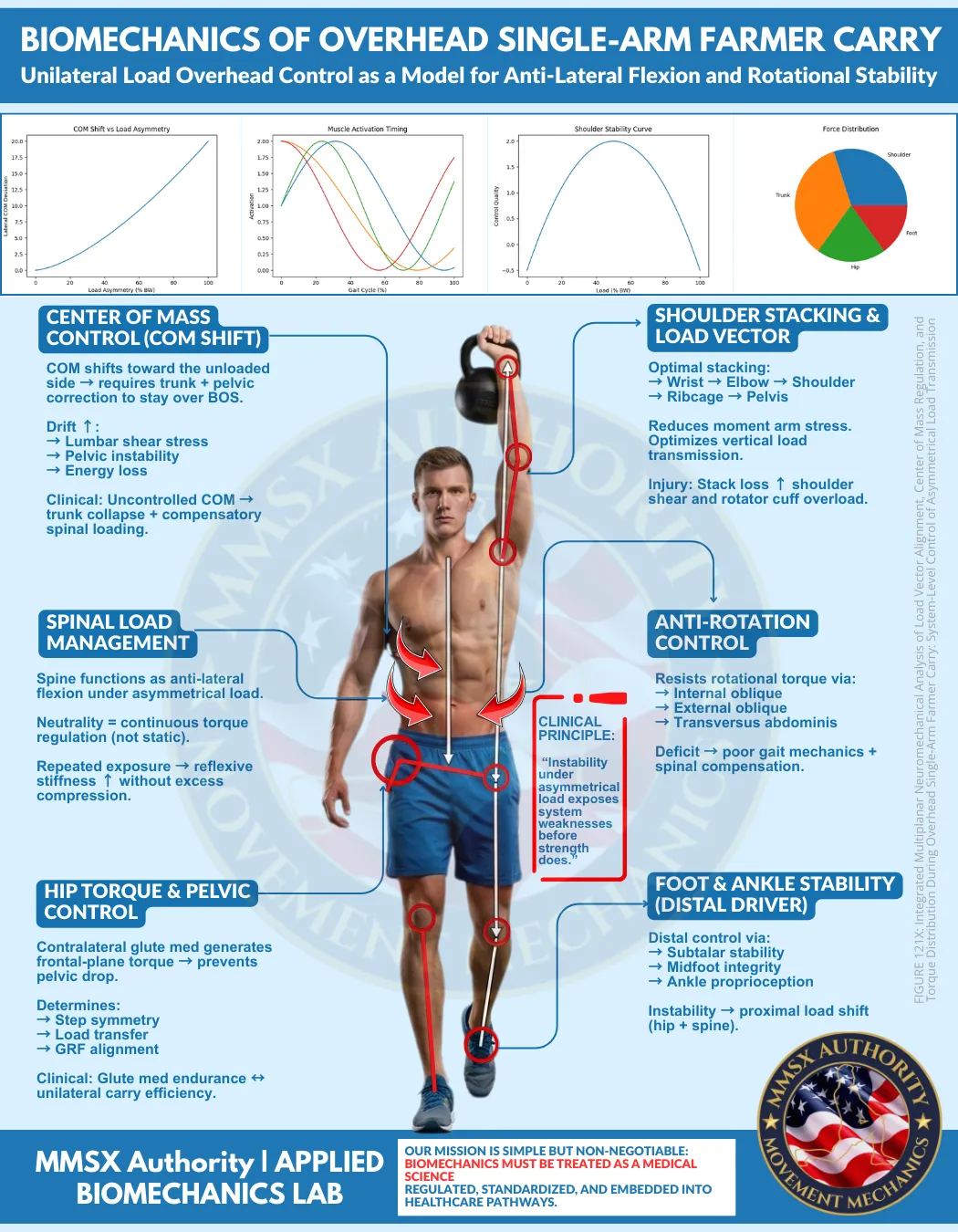
Correct body mechanics are essential when performing a specific task.
If you do it correctly, exercise can do wonders for your body on the inside and the outside.
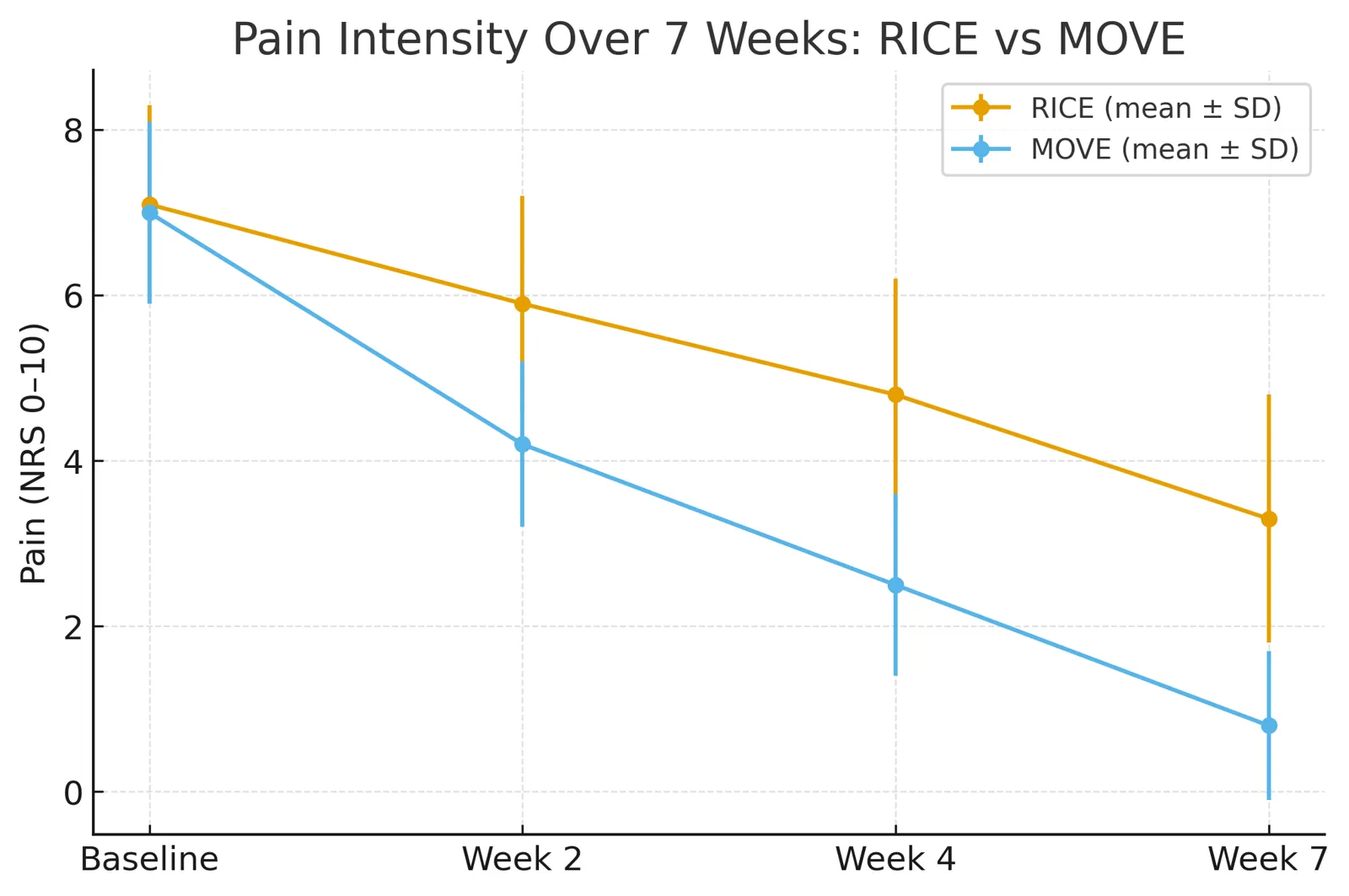
Even though I’ve seen a lot of people complain about joint pain and injury when exercising, I’ve also seen a lot of people assume that weight training has caused them to lose their mobility.
The goal of physical exercise is to make you feel better about yourself.
In order for it to have a beneficial impact on your health, you must be doing something incorrectly if it has the opposite effect.
Correct body mechanics are critical.
In the article, I mentioned that our bodies are built to move…
Here are the fundamentals of exercise:
The human body is capable of performing seven basic movements: Pull, Push, Squat, Lunge, Hinge, Rotation, and Gait.
All other exercises are simply variations of these moves .
All of your body’s major muscle groups will be activated as a result of executing all of these motions. Any workout requires you to focus on the following points:
Let’s start with your posture first and foremost.
Your body’s position in relation to gravity is referred to as posture.
Maintaining a proper posture is essential to distributing the weight of gravity evenly throughout your body, which means that the posture is when you make a position for exercise that must be most comfortable without any sprain or strain to your joint and muscles.
It is important to maintain a straight line from the head to the toes when you perform a standing posture or a Ben-over movement, for example.
Exercise necessitates a great deal of joint and muscle movement.
Next, you’ll want to concentrate on your body language.
If the movement isn’t free-flowing, you’re not getting the most out of your prime mover and end up using other muscles that aren’t necessary. To avoid injury, you must keep your joints in an aligned and relaxed state while you run, lift weights, or perform a squat or lunge. Biomechanics, which includes poor posture and movement, can cause joint and connective tissue pain. Poor biomechanics is the most common cause of persistent pain and injury, but exercise itself, with the exception of DOMS, has no such effect.
Breathing: Finally, pay attention to the way you breathe in and out.
I’ve noticed a number of breathing errors among exercisers, including holding your breath during a movement, shallow breathing, and excessively fast or slow breathing.
As your heart rate rises, so does the amount of oxygen your body needs.
The deficit of oxygen can induce weariness, disorientation, and lower back pain if it is not met in the proper manner.
The abrupt spike in blood pressure that occurs when you hold your breath is another side effect.
Basically, when you stand or sit with proper posture, your center of gravity is evenly distributed throughout your body.
As a result, no joints, ligaments, or other connective structures are feeling any strain.
You should exhale as you push the weights away from your body line.
Let’s get started today, because you have the ability to design your own body.
Here are a few more things to consider before making the following claim: So why not just monitor yourself in the following situations as well? You know your body better than anyone else because the feeling of good or bad will be felt by you, not others.
Your body will always tell you if something isn’t right. The intensity of your workout should be tailored to your current fitness level, and you should learn and execute it gradually.
Examine the foods that make you feel good, not just in terms of taste but also in terms of energy, digestion, and sleep.
Learn how to calculate your macro and micronutrient intake, as well as how many calories you need to lose weight or gain muscle.
Get clear on what you want and then put in the effort every day to get it.
कुछ व्यायाम करना आपके स्वास्थ्य के लिए किए जा सकने वाले सर्वोत्तम कार्यों में से एक है। नियमित व्यायाम के अनेक स्वास्थ्य लाभ हैं, जिनमें दीर्घकालिक रोग विकसित होने का कम जोखिम, बेहतर समन्वय, वज़न में कमी और बेहतर नींद-प्रतिरूप शामिल हैं।
सबसे अधिक पूछे जाने वाले प्रश्न, जिनका मैं उत्तर देना चाहूँगा, ये हैं:
वर्कआउट कैसे आरंभ करें।
मैं वर्कआउट करने के लिए बहुत व्यस्त हूँ।
इससे मेरा हृदय तेज़ी से धड़कने लगता है और पूरे शरीर में दर्द होता है।
व्यायाम में मेरी सहायता कौन करेगा?
मानव शरीर गति करने के लिए बना है, और ऐसा न करने पर अनेक स्वास्थ्य समस्याएँ उत्पन्न होंगी। इसीलिए मैं अपने क्लाइंटों से कहता हूँ कि वे अपने वर्कआउट की शुरुआत किसी भी ऐसी गतिविधि से करें जो उन्हें गतिशील बनाए।
यद्यपि आपने सुना होगा कि यदि आप प्रतिदिन एक घंटा व्यायाम को समर्पित करें, तो यह दिन का केवल 4% है, फिर भी इस लेख में आप जानेंगे कि आप किस प्रकार स्वयं अपने शरीर के इंजीनियर बन सकते हैं और शारीरिक तथा मानसिक, दोनों रूपों में अपने स्वास्थ्य में सुधार के लिए प्रतिदिन वर्कआउट आरंभ कर सकते हैं।
स्वयं अपने व्यक्तिगत शरीर-इंजीनियर बनने की चरण-दर-चरण मार्गदर्शिका इस प्रकार है:
किसी विशिष्ट कार्य को करते समय सही शारीरिक यांत्रिकी (body mechanics) अनिवार्य है।
यदि आप इसे सही ढंग से करते हैं, तो व्यायाम आपके शरीर के भीतर और बाहर, दोनों ओर अद्भुत परिणाम दे सकता है।
यद्यपि मैंने बहुत से लोगों को व्यायाम करते समय जोड़ों के दर्द और चोट की शिकायत करते देखा है, मैंने यह भी देखा है कि बहुत से लोग यह मान लेते हैं कि वेट ट्रेनिंग के कारण उनकी गतिशीलता कम हो गई है।
शारीरिक व्यायाम का लक्ष्य आपको अपने प्रति बेहतर अनुभव कराना है।
इसका आपके स्वास्थ्य पर लाभकारी प्रभाव होना चाहिए; यदि इसका विपरीत प्रभाव हो रहा है, तो अवश्य ही आप कुछ गलत कर रहे हैं।
सही शारीरिक यांत्रिकी अत्यंत महत्वपूर्ण है।
लेख में मैंने उल्लेख किया था कि हमारा शरीर गति करने के लिए बना है…
व्यायाम के मूलभूत तत्व इस प्रकार हैं:
मानव शरीर सात मूलभूत गतियाँ करने में सक्षम है: पुल (Pull), पुश (Push), स्क्वाट (Squat), लंज (Lunge), हिंज (Hinge), घूर्णन (Rotation) और चाल (Gait)।
अन्य सभी व्यायाम केवल इन्हीं गतियों के रूपांतर हैं।
इन सभी गतियों को करने के परिणामस्वरूप आपके शरीर के सभी प्रमुख मांसपेशी समूह सक्रिय होंगे। किसी भी वर्कआउट में आपको निम्नलिखित बिंदुओं पर ध्यान केंद्रित करना होता है:
आइए सबसे पहले आपकी मुद्रा (posture) से आरंभ करें।
गुरुत्व के सापेक्ष आपके शरीर की स्थिति को मुद्रा कहा जाता है।
गुरुत्व के भार को पूरे शरीर में समान रूप से वितरित करने के लिए उचित मुद्रा बनाए रखना अनिवार्य है; अर्थात मुद्रा वह स्थिति है जो आप व्यायाम के लिए बनाते हैं और जो आपके जोड़ों तथा मांसपेशियों में किसी मोच या खिंचाव के बिना सर्वाधिक आरामदायक होनी चाहिए।
उदाहरण के लिए, जब आप खड़े होने की मुद्रा या बेंट-ओवर (bent-over) गति करते हैं, तो सिर से पैर की उँगलियों तक एक सीधी रेखा बनाए रखना महत्वपूर्ण है।
व्यायाम में जोड़ों और मांसपेशियों की अत्यधिक गति आवश्यक होती है।
इसके बाद, आपको अपनी शारीरिक भाषा पर ध्यान केंद्रित करना चाहिए।
यदि गति मुक्त-प्रवाही नहीं है, तो आप अपने प्रमुख गतिकारक (prime mover) से अधिकतम लाभ नहीं ले पा रहे हैं और अंततः ऐसी अन्य मांसपेशियों का उपयोग करते हैं जो आवश्यक नहीं हैं। चोट से बचने के लिए, दौड़ते, वज़न उठाते, या स्क्वाट अथवा लंज करते समय आपको अपने जोड़ों को संरेखित और शिथिल अवस्था में रखना चाहिए। ख़राब मुद्रा और गति सहित बायोमैकेनिक्स, जोड़ों और संयोजी ऊतकों (connective tissue) में दर्द का कारण बन सकती है। ख़राब बायोमैकेनिक्स लगातार दर्द और चोट का सबसे सामान्य कारण है, परंतु DOMS को छोड़कर स्वयं व्यायाम का ऐसा कोई प्रभाव नहीं होता।
श्वसन: अंत में, इस पर ध्यान दें कि आप किस प्रकार साँस लेते और छोड़ते हैं।
मैंने व्यायाम करने वालों में अनेक श्वसन-त्रुटियाँ देखी हैं, जिनमें किसी गति के दौरान साँस रोकना, उथली साँस लेना, और अत्यधिक तेज़ या धीमी साँस लेना शामिल है।
जैसे-जैसे आपकी हृदय गति बढ़ती है, वैसे-वैसे आपके शरीर को आवश्यक ऑक्सीजन की मात्रा भी बढ़ती है।
यदि ऑक्सीजन की कमी की पूर्ति उचित ढंग से न की जाए, तो यह थकान, दिशाभ्रम और कमर के निचले हिस्से में दर्द उत्पन्न कर सकती है।
साँस रोकने पर रक्तचाप में होने वाली अचानक वृद्धि एक अन्य दुष्प्रभाव है।
मूलतः, जब आप उचित मुद्रा में खड़े होते या बैठते हैं, तो आपका गुरुत्व-केंद्र पूरे शरीर में समान रूप से वितरित होता है।
परिणामस्वरूप, किसी भी जोड़, स्नायुबंधन या अन्य संयोजी संरचना पर कोई तनाव नहीं पड़ता।
वज़न को अपनी शरीर-रेखा से दूर धकेलते समय आपको साँस छोड़नी चाहिए।
आइए आज ही आरंभ करें, क्योंकि आपमें अपने शरीर को स्वयं अभिकल्पित करने की क्षमता है।
निम्नलिखित दावा करने से पहले विचार करने योग्य कुछ और बातें इस प्रकार हैं: तो क्यों न निम्नलिखित परिस्थितियों में भी स्वयं की निगरानी करें? आप अपने शरीर को किसी और से बेहतर जानते हैं, क्योंकि अच्छे या बुरे की अनुभूति आपको होगी, दूसरों को नहीं।
यदि कुछ ठीक नहीं है, तो आपका शरीर आपको सदैव बताएगा। आपके वर्कआउट की तीव्रता आपके वर्तमान फिटनेस-स्तर के अनुरूप होनी चाहिए, और आपको इसे क्रमशः सीखना और क्रियान्वित करना चाहिए।
उन खाद्य पदार्थों का परीक्षण करें जो आपको अच्छा अनुभव कराते हैं — केवल स्वाद के संदर्भ में ही नहीं, बल्कि ऊर्जा, पाचन और नींद के संदर्भ में भी।
अपने मैक्रो और माइक्रोन्यूट्रिएंट सेवन की गणना करना सीखें, साथ ही यह भी कि वज़न घटाने या मांसपेशी बढ़ाने के लिए आपको कितनी कैलोरी की आवश्यकता है।
आप क्या चाहते हैं, इसके प्रति स्पष्ट हों और फिर उसे प्राप्त करने के लिए प्रतिदिन प्रयास करें।
Hacer algo de ejercicio es una de las mejores cosas que puede hacer por su salud. El ejercicio regular aporta numerosos beneficios para la salud, entre ellos un menor riesgo de desarrollar enfermedades crónicas, una mejor coordinación, la pérdida de peso y mejores patrones de sueño.
Las preguntas más frecuentes que me gustaría abordar son:
Cómo empezar a entrenar.
Estoy demasiado ocupado para entrenar.
Se me acelera el corazón y me duele todo el cuerpo.
¿Quién me ayudará con el ejercicio?
El cuerpo humano está diseñado para moverse, y no hacerlo dará lugar a numerosos problemas de salud. Por ello, digo a mis clientes que comiencen sus entrenamientos con cualquier actividad que los ponga en movimiento.
Aunque haya oído que dedicar una hora diaria al ejercicio supone solo el 4% del día, en este artículo aprenderá cómo convertirse en el ingeniero de su propio cuerpo y empezar a entrenar cada día para mejorar su salud, tanto física como mental.
A continuación se ofrece una guía paso a paso para convertirse en el ingeniero personal de su propio cuerpo:
Una mecánica corporal correcta es esencial al realizar una tarea específica.
Si lo hace correctamente, el ejercicio puede obrar maravillas en su cuerpo, por dentro y por fuera.
Aunque he visto a muchas personas quejarse de dolor articular y de lesiones al hacer ejercicio, también he visto a muchas personas suponer que el entrenamiento con pesas les ha hecho perder movilidad.
El objetivo del ejercicio físico es hacerle sentir mejor consigo mismo.
El ejercicio debe tener un impacto beneficioso en su salud; si produce el efecto contrario, es que está haciendo algo de forma incorrecta.
Una mecánica corporal correcta es fundamental.
En el artículo mencioné que nuestro cuerpo está hecho para moverse…
Estos son los fundamentos del ejercicio:
El cuerpo humano es capaz de realizar siete movimientos básicos: tracción (Pull), empuje (Push), sentadilla (Squat), zancada (Lunge), bisagra de cadera (Hinge), rotación (Rotation) y marcha (Gait).
Todos los demás ejercicios son simplemente variaciones de estos movimientos .
La ejecución de todos estos movimientos activará todos los grupos musculares principales del cuerpo. Cualquier entrenamiento exige centrarse en los siguientes puntos:
Empecemos, ante todo, por la postura.
Se denomina postura a la posición del cuerpo en relación con la gravedad.
Mantener una postura adecuada es esencial para distribuir uniformemente el peso de la gravedad por todo el cuerpo; es decir, la postura es la posición que adopta para el ejercicio y que debe ser lo más cómoda posible, sin esguinces ni sobrecargas en articulaciones y músculos.
Es importante mantener una línea recta desde la cabeza hasta los dedos de los pies cuando realiza, por ejemplo, una postura de pie o un movimiento con el tronco inclinado hacia delante (bent-over).
El ejercicio implica una gran cantidad de movimiento articular y muscular.
A continuación, conviene que se concentre en su lenguaje corporal.
Si el movimiento no es fluido, no está aprovechando al máximo el músculo agonista principal (prime mover) y acaba utilizando otros músculos innecesarios. Para evitar lesiones, debe mantener las articulaciones alineadas y relajadas al correr, levantar pesas o realizar una sentadilla o una zancada. La biomecánica, que incluye una postura y un movimiento deficientes, puede causar dolor en las articulaciones y en el tejido conectivo. Una biomecánica deficiente es la causa más frecuente de dolor persistente y de lesiones, mientras que el ejercicio en sí, salvo en el caso de las DOMS (agujetas o dolor muscular de aparición tardía), no produce tal efecto.
Respiración: por último, preste atención a su forma de inspirar y espirar.
He observado diversos errores respiratorios entre quienes hacen ejercicio, como contener la respiración durante un movimiento, respirar de forma superficial y respirar de manera excesivamente rápida o lenta.
A medida que aumenta la frecuencia cardíaca, aumenta también la cantidad de oxígeno que necesita el organismo.
Si este déficit de oxígeno no se cubre adecuadamente, puede provocar cansancio, desorientación y dolor lumbar.
El aumento brusco de la presión arterial que se produce al contener la respiración es otro efecto secundario.
En esencia, cuando está de pie o sentado con una postura adecuada, su centro de gravedad se distribuye uniformemente por todo el cuerpo.
Como resultado, ninguna articulación, ligamento ni otra estructura conectiva sufre tensión alguna.
Debe espirar al empujar los pesos alejándolos de la línea de su cuerpo.
Comencemos hoy mismo, porque usted tiene la capacidad de diseñar su propio cuerpo.
Antes de formular la siguiente afirmación, considere algunos aspectos más: ¿por qué no observarse también a sí mismo en las situaciones siguientes? Usted conoce su cuerpo mejor que nadie, porque la sensación de bienestar o malestar la percibe usted, no los demás.
Su cuerpo siempre le indicará si algo no va bien. La intensidad del entrenamiento debe adaptarse a su nivel actual de condición física, y debe aprenderla y aplicarla de forma gradual.
Examine qué alimentos le hacen sentir bien, no solo en cuanto al sabor, sino también en cuanto a energía, digestión y sueño.
Aprenda a calcular su ingesta de macronutrientes y micronutrientes, así como cuántas calorías necesita para perder peso o ganar masa muscular.
Tenga claro lo que desea y esfuércese cada día para conseguirlo.
تُعدّ ممارسة بعض التمارين من أفضل ما يمكنك فعله لصحتك. فللتمرين المنتظم فوائد صحية عديدة، منها انخفاض خطر الإصابة بالأمراض المزمنة، وتحسّن التوافق الحركي، وإنقاص الوزن، وتحسّن أنماط النوم.
أكثر الأسئلة تكرارًا التي أود تناولها هي:
كيف أبدأ التمرين.
أنا مشغول جدًا لممارسة التمارين.
يُسرّع التمرين نبضات قلبي ويُؤلم جسدي كله.
من سيساعدني في ممارسة التمارين؟
صُمّم جسم الإنسان ليتحرك، والإخفاق في ذلك سيؤدي إلى طائفة من المشكلات الصحية. ولذلك أقول لعملائي إن عليهم أن يبدؤوا تمارينهم بأي شيء يجعلهم يتحركون.
ومع أنك سمعت أن تخصيص ساعة يوميًا للتمرين لا يتجاوز 4% من اليوم، فستتعلم في هذا المقال كيف يمكنك أن تصبح مهندس جسدك بنفسك وأن تبدأ التمرين كل يوم لتحسين صحتك بدنيًا ونفسيًا.
إليك دليلًا خطوة بخطوة لتصبح مهندس جسدك الشخصي:
تُعدّ الميكانيكا الصحيحة للجسم ضرورية عند أداء مهمة محددة.
إذا أدّيته بصورة صحيحة، فبإمكان التمرين أن يصنع العجائب لجسدك من الداخل والخارج.
ومع أنني رأيت كثيرًا من الناس يشكون من آلام المفاصل والإصابات أثناء التمرين، فقد رأيت أيضًا كثيرين يفترضون أن تدريب الأثقال قد أفقدهم قدرتهم على الحركة.
الهدف من التمرين البدني هو أن تشعر بتحسّن تجاه نفسك.
ولكي يكون له أثر مفيد في صحتك، فلا بد أنك تفعل شيئًا بطريقة خاطئة إذا كان أثره معاكسًا.
الميكانيكا الصحيحة للجسم أمر حاسم.
ذكرتُ في المقال أن أجسامنا مبنية لتتحرك…
إليك أساسيات التمرين:
جسم الإنسان قادر على أداء سبع حركات أساسية: السحب (Pull)، والدفع (Push)، والقرفصاء (Squat)، والطعن (Lunge)، والانثناء من الورك (Hinge)، والدوران (Rotation)، والمشية (Gait).
وجميع التمارين الأخرى ليست سوى تنويعات على هذه الحركات .
ستُنشَّط جميع المجموعات العضلية الرئيسية في جسمك نتيجة أداء هذه الحركات كلها. ويتطلب أي تمرين أن تركّز على النقاط التالية:
لنبدأ بوضعيتك أولًا وقبل كل شيء.
يُشار إلى موضع جسمك بالنسبة إلى الجاذبية بالوضعية.
يُعدّ الحفاظ على وضعية سليمة أمرًا ضروريًا لتوزيع ثقل الجاذبية بالتساوي على جسمك، أي أن الوضعية هي حين تتخذ موضعًا للتمرين يجب أن يكون الأكثر راحة دون أي التواء أو إجهاد لمفاصلك وعضلاتك.
فمن المهم، على سبيل المثال، الحفاظ على خط مستقيم من الرأس إلى أصابع القدمين عندما تتخذ وضعية الوقوف أو تؤدي حركة الانحناء إلى الأمام (Ben-over).
يتطلب التمرين قدرًا كبيرًا من حركة المفاصل والعضلات.
بعد ذلك، ستحتاج إلى التركيز على لغة جسدك.
إذا لم تكن الحركة انسيابية، فأنت لا تحقق أقصى استفادة من عضلتك المحرّكة الرئيسية (prime mover)، وينتهي بك الأمر إلى استخدام عضلات أخرى غير ضرورية. ولتجنّب الإصابة، يجب أن تُبقي مفاصلك في حالة اصطفاف واسترخاء أثناء الجري أو رفع الأثقال أو أداء القرفصاء أو الطعن. ويمكن أن تسبب الميكانيكا الحيوية، بما تشمله من وضعية وحركة سيئتين، ألمًا في المفاصل والأنسجة الضامة. وتُعدّ الميكانيكا الحيوية السيئة أكثر أسباب الألم المستمر والإصابات شيوعًا، أما التمرين نفسه، باستثناء ألم العضلات المتأخر الظهور (DOMS)، فليس له مثل هذا الأثر.
التنفس: وأخيرًا، انتبه إلى طريقة شهيقك وزفيرك.
لاحظتُ عددًا من أخطاء التنفس لدى ممارسي التمارين، منها حبس النفس أثناء الحركة، والتنفس السطحي، والتنفس السريع أو البطيء بإفراط.
مع ارتفاع معدل ضربات قلبك، ترتفع كمية الأكسجين التي يحتاجها جسمك.
ويمكن أن يُحدث نقص الأكسجين، إذا لم يُعوَّض بالطريقة السليمة، إرهاقًا وتشوشًا وألمًا في أسفل الظهر.
ومن الآثار الجانبية الأخرى الارتفاع المفاجئ في ضغط الدم الذي يحدث عند حبس النفس.
وفي الأساس، عندما تقف أو تجلس بوضعية سليمة، يتوزع مركز جاذبيتك بالتساوي على جسمك.
ونتيجة لذلك، لا تتعرض أي مفاصل أو أربطة أو بُنى ضامة أخرى لأي إجهاد.
ينبغي أن تزفر وأنت تدفع الأوزان بعيدًا عن خط جسمك.
فلنبدأ اليوم، لأنك تملك القدرة على تصميم جسدك بنفسك.
إليك بضعة أمور أخرى ينبغي مراعاتها قبل تقديم الادعاء التالي: فلماذا لا تراقب نفسك أيضًا في المواقف التالية؟ أنت تعرف جسدك أكثر من أي شخص آخر، لأن الشعور بالارتياح أو بالسوء ستشعر به أنت لا الآخرون.
سيخبرك جسدك دائمًا إذا كان هناك خطب ما. وينبغي أن تُكيَّف شدة تمرينك وفق مستوى لياقتك الحالي، وأن تتعلمه وتؤديه تدريجيًا.
تفحّص الأطعمة التي تُشعرك بالارتياح، لا من حيث المذاق فحسب، بل من حيث الطاقة والهضم والنوم أيضًا.
تعلّم كيفية حساب ما تتناوله من المغذيات الكبرى والصغرى، وعدد السعرات الحرارية التي تحتاجها لإنقاص الوزن أو بناء العضلات.
حدّد بوضوح ما تريده، ثم ابذل الجهد كل يوم لتحقيقه.