

Biomechanics: History, Sports Performance & Human Movement, Application & Injury Prevention
A Brief explainatation of Biomechanics by Dr. Neeraj Mehta (Ph.D.)
What is Biomechanics?
Biomechanics is the study of how living things move through the lens of mechanics, or how they work (Hatze, 1974). Mechanics is a subfield of physics that deals with how things move and how forces make things move. Forces that are put on living things can make them move, help them grow and develop in a healthy way, or cause them to hurt themselves. Biomechanics helps you understand how living things move and how kinesiology professionals can improve or make movement safer.
What is the history and invention of Biomechanics:
The field of biomechanics has a long history. Aristotle (384–322 B.C.) classified animals’ bodies as mechanical systems and explained muscular action using geometric analysis in his “De Motu Animalium.” Archimedes, a 287–2I2 B.C. scientist, invented modern swimming.
Leonardo da Vinci (1452–1519), the discipline’s originator, researched anatomy in relation to mechanics. His studies of joint function and muscle forces along origin-insertion lines were also carried out. From 1564 to 1672, Galileo (1564–1642), Newton (1642–1726), and Borelli (1608–1679) all made substantial contributions. Scientists already know how weight gain affects bone strength and structure thanks to Galileo and Newton. Borelli was the first to calculate human joint force and center of gravity. Julies Wolff developed Wolff’s law, which outlines the link between trabecular bone geometries and mechanical stimulation on bone based on observations gathered throughout his lengthy experience as a surgeon. M. E. Muybridge studied human and animal motion using early photography and the earliest film project. AI Burstein and colleagues educated orthopaedic surgeons biomechanical concepts in the 1960s.
Borelli, Giovanni Alfonso, is frequently referred to as the “founder of biomechanics.” He was born in 1608 in Naples. His 1680 book De Motu Animalium expanded Galileo’s rigorous analytical methods developed in mechanics to biology. Borelli estimated the equilibrium forces required in various joints of the human body long before Newton wrote The Laws of Motion.
Borelli was the first to recognize that the musculoskeletal system’s levers magnify motion rather than force, requiring muscles to generate far greater forces than those resisting the motion. Borelli died on December 31, 1679, in Rome, but his tremendous body of original work inspired a large number of subsequent scientists, microscopists, and inventors. The Giovanni Borelli Award is the American Society of Biomechanics’ highest accolade.
What is human biomechanics?
In human biomechanics, we look at how forces work on the body’s musculoskeletal system and how the body’s tissues respond to these forces. Biomechanics can be thought of in terms of external or internal biomechanics based on the forces that are used to move and posture.
What is Biomechanics in terms of Physics
Biomechanics is the study of the mobility of body segments and the internal and external forces that operate on them during activity. Biomechanics also enables physical educators to find exercises and physical activities that aid in the development of particular muscle groups and fitness components. Real-world movement demonstrations and common teaching cues are utilized to demonstrate how biomechanics is applied to physical education in the real world.
Components of Biomechanics:
Motion: Motion is defined as the movement of a body or an item through space. Acceleration and speed are important aspects of motion.
Force: Force is a push or pull that causes a person or item to accelerate, slow down, halt, or change direction.
Momentum: Momentum is the product of a weight and its velocity when moved.
Levers: Our arms and legs function like levers; a lever consists of three parts: the resisting arm, the fulcrum, and the axis of rotation.
Being steady is what it means to be in balance. The alignment of the body’s center of gravity over the base of support is a fundamental balancing concept. A strong sense of balance is essential for many athletic and fitness activities.
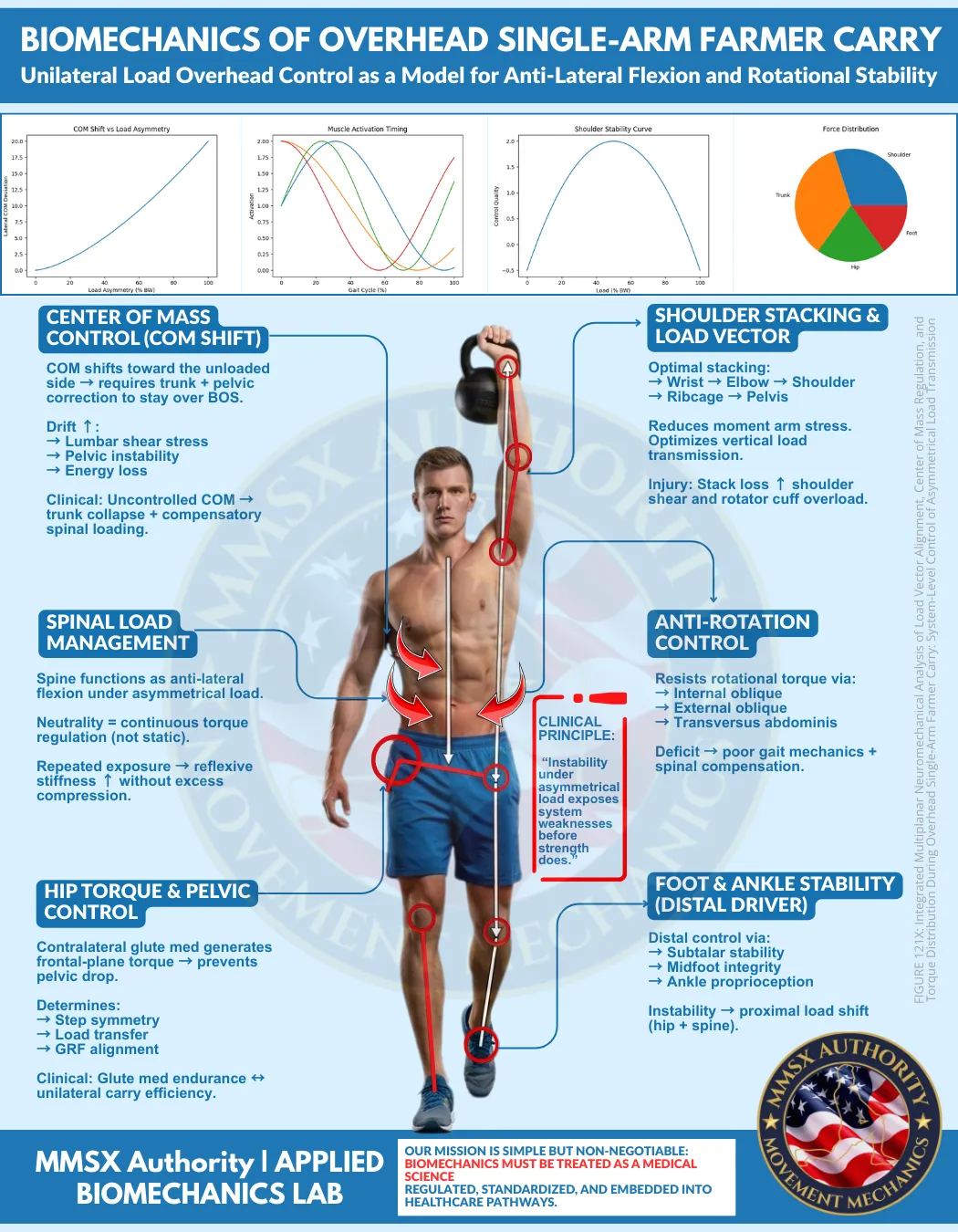
Biomechanics provides critical information regarding the most effective and safest movement patterns, equipment, and exercises for enhancing human movement.
Individuals require assistance in optimizing human movement, and this assistance necessitates an understanding of “why” and “how” the human body moves.
Because biomechanics equips kinesiology professionals with a substantial amount of knowledge and a number of the skills necessary to address these “what works?” and “why?” questions, biomechanics is a critical science for resolving human movement problems.
Is There a Purpose for Biomechanics Study?
A wide number of scientific disciplines are interested in biomechanics (for example, kinesiology, engineering, physics, biology, and zoology). Academics from several fields are interested in animal movement for various reasons. Animal movements excite many people, and biomechanics is a fascinating field because of this.
Kinesiology biomechanists have long been interested in applying biomechanics to sports and exercise. Human movement can be broken down into two broad categories: performance enhancement and injury prevention or treatment.
Performance Enhancement
There are numerous methods for enhancing human movement performance.
Movement is a combination of anatomical, neuromuscular, physiological, and psychological/cognitive components.
Changing one’s technique and following instructions are common recommendations from kinesiologists.
Biomechanics is most beneficial in sports and activities where technique, rather than physical structure or physiological capacity, is the most essential determinant in performance improvement.
Consider a situation in which a coach is working with a gymnast who is having difficulty with her back handspring. After watching multiple attempts, the instructor thinks that the angle of departure from the round-off and the body arch are incorrectly executed. They must decide whether to focus on the gymnast’s takeoff angle or more back hyperextension in the block. The coach’s experience indicates that this athlete is strong enough to perform this skill. The coach uses his expertise in biomechanics to assist in this situation’s qualitative analysis. After the round off, the coach decides to help the gymnast work on athlete “arch” since he knows that a better arch influences both the force the gymnast creates against the mat and the angle at which athlete takes off.
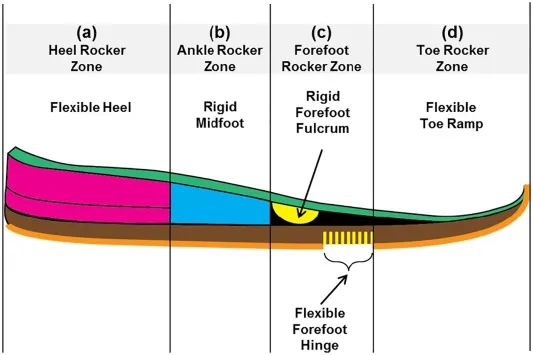
Applied biomechanics in the design of new sports equipment has resulted in significant improvements in performance.
Sporting equipment must be tailored to each individual player, so rackets for children are smaller and lighter than those for adults.
Advances in exercise and conditioning programs are another way biomechanics research helps athletes perform better. In order to improve performance, biomechanical studies of exercise movements and training devices are used.
Comparing biomechanical research on exercises to research on sports and activities is commonplace. When biomechanical research is used in the design of exercise programs, strength and conditioning professionals can more effectively apply the principles of specificity.
Injury Prevention
Biomechanics can also be used in the area of movement safety or injury prevention/treatment. Studying injury data has traditionally been done by sports medicine professionals in an effort to determine the possible causes of disease or injury (epidemiology).
Sports medicine’s quest to prevent and treat injury has a powerful ally in biomechanical research. Preventative and rehabilitation therapies are provided by biomechanical studies, which provide information on the physical properties of tissues as well as the mechanical loadings that occur during the movement of a person. Sports medicine physicians and epidemiological studies rely on biomechanical studies to support their hypotheses about possible injury mechanisms.R
References:
https://www.ncbi.nlm.nih.gov/pmc/articles/PMC5908324/
https://www.sci-sport.com/en/theory/chapter-1-history-and-rise-of-biomechanics.php
https://techflow360.com/what-is-biomechanics-its-history-and-application/
https://www.isbglasgow.com/the-figures-behind-the-birth-of-knowledge-of-biomechanics/
http://biomechanics.vtheatre.net/doc/history.html
https://www.sciencedirect.com/science/article/pii/S1607551X11001835
बायोमैकेनिक्स: इतिहास, खेल प्रदर्शन एवं मानव गति, अनुप्रयोग एवं चोट निवारण
डॉ. नीरज मेहता, PhD द्वारा बायोमैकेनिक्स की एक संक्षिप्त व्याख्या
बायोमैकेनिक्स (Biomechanics) क्या है?
बायोमैकेनिक्स इस बात का अध्ययन है कि जीवित प्राणी यांत्रिकी (mechanics) के परिप्रेक्ष्य से कैसे गति करते हैं, अर्थात वे कैसे कार्य करते हैं (Hatze, 1974)। यांत्रिकी भौतिकी का एक उपक्षेत्र है, जो इस बात से संबंधित है कि वस्तुएँ कैसे गति करती हैं और बल वस्तुओं को कैसे गतिमान करते हैं। जीवित प्राणियों पर लगाए गए बल उन्हें गतिमान कर सकते हैं, उनके स्वस्थ विकास और वृद्धि में सहायता कर सकते हैं, अथवा उन्हें चोट पहुँचा सकते हैं। बायोमैकेनिक्स आपको यह समझने में सहायता करता है कि जीवित प्राणी कैसे गति करते हैं और काइनेसियोलॉजी (kinesiology) के पेशेवर गति को कैसे बेहतर या अधिक सुरक्षित बना सकते हैं।
बायोमैकेनिक्स का इतिहास और आविष्कार क्या है:
बायोमैकेनिक्स के क्षेत्र का इतिहास लंबा है। अरस्तू (Aristotle, 384–322 ई.पू.) ने अपनी कृति "De Motu Animalium" में प्राणियों के शरीर को यांत्रिक प्रणालियों के रूप में वर्गीकृत किया और ज्यामितीय विश्लेषण द्वारा मांसपेशीय क्रिया की व्याख्या की। 287–2I2 ई.पू. के वैज्ञानिक आर्किमिडीज़ (Archimedes) ने आधुनिक तैराकी का आविष्कार किया।
इस विधा के प्रवर्तक लियोनार्डो दा विंची (Leonardo da Vinci, 1452–1519) ने यांत्रिकी के संदर्भ में शरीर-रचना (anatomy) पर शोध किया। उन्होंने उद्गम-निवेशन रेखाओं (origin-insertion lines) के अनुदिश संधि कार्य (joint function) और मांसपेशीय बलों का भी अध्ययन किया। 1564 से 1672 तक गैलीलियो (Galileo, 1564–1642), न्यूटन (Newton, 1642–1726) और बोरेली (Borelli, 1608–1679), सभी ने महत्वपूर्ण योगदान दिए। गैलीलियो और न्यूटन के कारण ही वैज्ञानिक पहले से जानते हैं कि भार वृद्धि अस्थि की शक्ति और संरचना को कैसे प्रभावित करती है। बोरेली मानव संधि बल और गुरुत्व केंद्र (center of gravity) की गणना करने वाले पहले व्यक्ति थे। जूलियस वोल्फ़ (Julies Wolff) ने एक शल्य-चिकित्सक के रूप में अपने दीर्घ अनुभव के दौरान एकत्रित अवलोकनों के आधार पर वोल्फ़ का नियम (Wolff's law) विकसित किया, जो ट्रैबेक्युलर अस्थि (trabecular bone) की ज्यामिति और अस्थि पर यांत्रिक उद्दीपन के बीच के संबंध को रेखांकित करता है। एम. ई. मुयब्रिज (M. E. Muybridge) ने आरंभिक फ़ोटोग्राफ़ी और सबसे पहली फ़िल्म परियोजना का उपयोग करके मानव और प्राणी गति का अध्ययन किया। 1960 के दशक में ए. आई. बर्स्टीन (AI Burstein) और उनके सहयोगियों ने अस्थि-शल्य चिकित्सकों (orthopaedic surgeons) को बायोमैकेनिकल अवधारणाएँ सिखाईं।
जियोवानी अल्फ़ोंसो बोरेली (Borelli, Giovanni Alfonso) को प्रायः "बायोमैकेनिक्स का संस्थापक" कहा जाता है। उनका जन्म 1608 में नेपल्स में हुआ था। उनकी 1680 की पुस्तक De Motu Animalium ने यांत्रिकी में विकसित गैलीलियो की कठोर विश्लेषणात्मक पद्धतियों का विस्तार जीवविज्ञान तक किया। न्यूटन द्वारा गति के नियम (The Laws of Motion) लिखे जाने से बहुत पहले ही बोरेली ने मानव शरीर के विभिन्न संधियों में आवश्यक संतुलन बलों (equilibrium forces) का अनुमान लगा लिया था।
बोरेली ने सबसे पहले यह पहचाना कि पेशी-कंकाल तंत्र (musculoskeletal system) के उत्तोलक (levers) बल के स्थान पर गति को आवर्धित करते हैं, जिसके कारण मांसपेशियों को गति का प्रतिरोध करने वाले बलों की तुलना में कहीं अधिक बल उत्पन्न करने पड़ते हैं। बोरेली का निधन 31 दिसंबर 1679 को रोम में हुआ, परंतु उनके विशाल मौलिक कार्य ने बाद के अनेक वैज्ञानिकों, सूक्ष्मदर्शी-विशेषज्ञों और आविष्कारकों को प्रेरित किया। जियोवानी बोरेली पुरस्कार (Giovanni Borelli Award) अमेरिकन सोसाइटी ऑफ़ बायोमैकेनिक्स (American Society of Biomechanics) का सर्वोच्च सम्मान है।
मानव बायोमैकेनिक्स क्या है?
मानव बायोमैकेनिक्स में हम यह देखते हैं कि शरीर के पेशी-कंकाल तंत्र पर बल कैसे कार्य करते हैं और शरीर के ऊतक इन बलों के प्रति कैसी प्रतिक्रिया देते हैं। गति और मुद्रा (posture) के लिए प्रयुक्त बलों के आधार पर बायोमैकेनिक्स को बाह्य या आंतरिक बायोमैकेनिक्स के रूप में समझा जा सकता है।
भौतिकी के संदर्भ में बायोमैकेनिक्स क्या है
बायोमैकेनिक्स गतिविधि के दौरान शरीर के खंडों (body segments) की गतिशीलता तथा उन पर कार्य करने वाले आंतरिक और बाह्य बलों का अध्ययन है। बायोमैकेनिक्स शारीरिक शिक्षकों को ऐसे व्यायाम और शारीरिक गतिविधियाँ खोजने में भी सक्षम बनाता है जो विशिष्ट मांसपेशी समूहों और फ़िटनेस घटकों के विकास में सहायक हों। वास्तविक जगत में शारीरिक शिक्षा पर बायोमैकेनिक्स के अनुप्रयोग को प्रदर्शित करने के लिए वास्तविक गति-प्रदर्शनों और सामान्य शिक्षण संकेतों (teaching cues) का उपयोग किया जाता है।
बायोमैकेनिक्स के घटक:
गति (Motion): गति को किसी शरीर या वस्तु के अंतरिक्ष में स्थानांतरण के रूप में परिभाषित किया जाता है। त्वरण (acceleration) और चाल (speed) गति के महत्वपूर्ण पहलू हैं।
बल (Force): बल वह धक्का या खिंचाव है जो किसी व्यक्ति या वस्तु को त्वरित करता है, धीमा करता है, रोकता है या उसकी दिशा बदल देता है।
संवेग (Momentum): संवेग किसी भार और गतिमान होने पर उसके वेग (velocity) का गुणनफल है।
उत्तोलक (Levers): हमारी भुजाएँ और पैर उत्तोलकों की भाँति कार्य करते हैं; एक उत्तोलक के तीन भाग होते हैं: प्रतिरोधी भुजा (resisting arm), आलंब (fulcrum) और घूर्णन अक्ष (axis of rotation)।
संतुलन में होने का अर्थ है स्थिर रहना। आधार क्षेत्र (base of support) के ऊपर शरीर के गुरुत्व केंद्र का संरेखण संतुलन की एक मूलभूत अवधारणा है। अनेक खेल और फ़िटनेस गतिविधियों के लिए संतुलन की सुदृढ़ अनुभूति अनिवार्य है।
बायोमैकेनिक्स मानव गति को बेहतर बनाने हेतु सबसे प्रभावी और सुरक्षित गति-प्रतिरूपों (movement patterns), उपकरणों और व्यायामों के विषय में महत्वपूर्ण जानकारी प्रदान करता है।
व्यक्तियों को मानव गति को सर्वोत्तम बनाने में सहायता की आवश्यकता होती है, और इस सहायता के लिए यह समझना आवश्यक है कि मानव शरीर "क्यों" और "कैसे" गति करता है।
चूँकि बायोमैकेनिक्स काइनेसियोलॉजी पेशेवरों को "क्या कारगर है?" और "क्यों?" जैसे प्रश्नों का उत्तर देने के लिए आवश्यक पर्याप्त ज्ञान और अनेक कौशल प्रदान करता है, इसलिए मानव गति से जुड़ी समस्याओं के समाधान के लिए बायोमैकेनिक्स एक अत्यंत महत्वपूर्ण विज्ञान है।
क्या बायोमैकेनिक्स के अध्ययन का कोई उद्देश्य है?
अनेक वैज्ञानिक विधाएँ बायोमैकेनिक्स में रुचि रखती हैं (उदाहरण के लिए, काइनेसियोलॉजी, अभियांत्रिकी, भौतिकी, जीवविज्ञान और प्राणिविज्ञान)। विभिन्न क्षेत्रों के विद्वान विभिन्न कारणों से प्राणी गति में रुचि रखते हैं। प्राणियों की गतियाँ अनेक लोगों को रोमांचित करती हैं, और इसी कारण बायोमैकेनिक्स एक आकर्षक क्षेत्र है।
काइनेसियोलॉजी के बायोमैकेनिस्ट लंबे समय से खेल और व्यायाम में बायोमैकेनिक्स के अनुप्रयोग में रुचि रखते आए हैं। मानव गति को दो व्यापक श्रेणियों में विभाजित किया जा सकता है: प्रदर्शन संवर्धन (performance enhancement) और चोट निवारण अथवा उपचार।
प्रदर्शन संवर्धन
मानव गति के प्रदर्शन को बेहतर बनाने की अनेक पद्धतियाँ हैं।
गति शारीरिक-संरचनात्मक (anatomical), तंत्रिका-पेशीय (neuromuscular), शारीरिक-क्रियात्मक (physiological) और मनोवैज्ञानिक/संज्ञानात्मक घटकों का संयोजन है।
अपनी तकनीक में परिवर्तन करना और निर्देशों का पालन करना काइनेसियोलॉजिस्टों की सामान्य अनुशंसाएँ हैं।
बायोमैकेनिक्स उन खेलों और गतिविधियों में सबसे अधिक लाभकारी है जहाँ प्रदर्शन सुधार का सबसे आवश्यक निर्धारक शारीरिक संरचना या शारीरिक-क्रियात्मक क्षमता के स्थान पर तकनीक होती है।
एक ऐसी स्थिति पर विचार करें जिसमें एक कोच ऐसी जिमनास्ट के साथ कार्य कर रहा है जिसे बैक हैंडस्प्रिंग (back handspring) में कठिनाई हो रही है। अनेक प्रयासों को देखने के बाद प्रशिक्षक को लगता है कि राउंड-ऑफ़ (round-off) से प्रस्थान का कोण और शरीर का चाप (arch) गलत ढंग से निष्पादित हो रहे हैं। उन्हें यह निर्णय लेना है कि जिमनास्ट के टेकऑफ़ कोण पर ध्यान केंद्रित करें या ब्लॉक में पीठ के अधिक हाइपरएक्सटेंशन (hyperextension) पर। कोच का अनुभव संकेत देता है कि यह एथलीट इस कौशल को निष्पादित करने के लिए पर्याप्त सशक्त है। इस स्थिति के गुणात्मक विश्लेषण (qualitative analysis) में सहायता के लिए कोच बायोमैकेनिक्स में अपनी विशेषज्ञता का उपयोग करता है। राउंड-ऑफ़ के बाद कोच एथलीट के "आर्च" पर कार्य करने में जिमनास्ट की सहायता करने का निर्णय लेता है, क्योंकि वह जानता है कि बेहतर आर्च जिमनास्ट द्वारा मैट के विरुद्ध उत्पन्न बल और एथलीट के टेकऑफ़ कोण, दोनों को प्रभावित करता है।
नए खेल उपकरणों के डिज़ाइन में अनुप्रयुक्त बायोमैकेनिक्स के परिणामस्वरूप प्रदर्शन में उल्लेखनीय सुधार हुए हैं।
खेल उपकरण प्रत्येक खिलाड़ी के अनुरूप बनाए जाने चाहिए, इसीलिए बच्चों के रैकेट वयस्कों के रैकेट की तुलना में छोटे और हल्के होते हैं।
व्यायाम और कंडीशनिंग कार्यक्रमों में प्रगति एक अन्य माध्यम है जिससे बायोमैकेनिक्स शोध एथलीटों को बेहतर प्रदर्शन करने में सहायता करता है। प्रदर्शन में सुधार के लिए व्यायाम गतियों और प्रशिक्षण उपकरणों के बायोमैकेनिकल अध्ययनों का उपयोग किया जाता है।
व्यायामों पर हुए बायोमैकेनिकल शोध की तुलना खेलों और गतिविधियों पर हुए शोध से करना सामान्य बात है। जब व्यायाम कार्यक्रमों के डिज़ाइन में बायोमैकेनिकल शोध का उपयोग किया जाता है, तब स्ट्रेंथ एवं कंडीशनिंग पेशेवर विशिष्टता के सिद्धांतों (principles of specificity) को अधिक प्रभावी ढंग से लागू कर सकते हैं।
चोट निवारण
बायोमैकेनिक्स का उपयोग गति की सुरक्षा अथवा चोट निवारण/उपचार के क्षेत्र में भी किया जा सकता है। रोग या चोट के संभावित कारणों को निर्धारित करने के प्रयास में चोट संबंधी आँकड़ों का अध्ययन परंपरागत रूप से खेल चिकित्सा (sports medicine) पेशेवरों द्वारा किया जाता रहा है (महामारी विज्ञान, epidemiology)।
चोट की रोकथाम और उपचार की खेल चिकित्सा की खोज में बायोमैकेनिकल शोध एक सशक्त सहयोगी है। बायोमैकेनिकल अध्ययन ऊतकों के भौतिक गुणों तथा व्यक्ति की गति के दौरान होने वाले यांत्रिक भारों (mechanical loadings) के विषय में जानकारी प्रदान करके निवारक और पुनर्वास चिकित्साओं का आधार प्रदान करते हैं। खेल चिकित्सा चिकित्सक और महामारी विज्ञान संबंधी अध्ययन चोट की संभावित क्रियाविधियों के विषय में अपनी परिकल्पनाओं के समर्थन के लिए बायोमैकेनिकल अध्ययनों पर निर्भर करते हैं।
संदर्भ:
https://www.ncbi.nlm.nih.gov/pmc/articles/PMC5908324/
https://www.sci-sport.com/en/theory/chapter-1-history-and-rise-of-biomechanics.php
https://techflow360.com/what-is-biomechanics-its-history-and-application/
https://www.isbglasgow.com/the-figures-behind-the-birth-of-knowledge-of-biomechanics/
http://biomechanics.vtheatre.net/doc/history.html
https://www.sciencedirect.com/science/article/pii/S1607551X11001835
Biomecánica: historia, rendimiento deportivo y movimiento humano, aplicación y prevención de lesiones
Una breve explicación de la biomecánica por Dr. Neeraj Mehta, PhD
¿Qué es la biomecánica?
La biomecánica es el estudio del movimiento de los seres vivos desde la perspectiva de la mecánica, es decir, de cómo funcionan (Hatze, 1974). La mecánica es una subdisciplina de la física que se ocupa de cómo se mueven los cuerpos y de cómo las fuerzas los ponen en movimiento. Las fuerzas que actúan sobre los seres vivos pueden hacer que se muevan, ayudarles a crecer y desarrollarse de manera saludable o provocarles lesiones. La biomecánica le ayuda a comprender cómo se mueven los seres vivos y cómo los profesionales de la kinesiología pueden mejorar el movimiento o hacerlo más seguro.
Historia y origen de la biomecánica:
El campo de la biomecánica tiene una larga historia. Aristóteles (384–322 a. C.) clasificó los cuerpos de los animales como sistemas mecánicos y explicó la acción muscular mediante el análisis geométrico en su obra «De Motu Animalium». Arquímedes, científico del 287–2I2 a. C., inventó la natación moderna.
Leonardo da Vinci (1452–1519), iniciador de la disciplina, investigó la anatomía en relación con la mecánica. También llevó a cabo estudios sobre la función articular y las fuerzas musculares a lo largo de las líneas de origen e inserción. Entre 1564 y 1672, Galileo (1564–1642), Newton (1642–1726) y Borelli (1608–1679) realizaron aportaciones sustanciales. Gracias a Galileo y Newton, los científicos ya conocen cómo el aumento de peso afecta a la resistencia y la estructura ósea. Borelli fue el primero en calcular la fuerza articular humana y el centro de gravedad. Julius Wolff formuló la ley de Wolff, que describe la relación entre la geometría del hueso trabecular y la estimulación mecánica sobre el hueso, a partir de las observaciones reunidas a lo largo de su dilatada experiencia como cirujano. M. E. Muybridge estudió el movimiento humano y animal mediante la fotografía temprana y el primer proyecto cinematográfico. En la década de 1960, AI Burstein y sus colaboradores enseñaron conceptos biomecánicos a cirujanos ortopédicos.
Giovanni Alfonso Borelli es frecuentemente considerado el «fundador de la biomecánica». Nació en 1608 en Nápoles. Su libro De Motu Animalium, de 1680, extendió a la biología los rigurosos métodos analíticos que Galileo había desarrollado en la mecánica. Borelli estimó las fuerzas de equilibrio necesarias en diversas articulaciones del cuerpo humano mucho antes de que Newton formulara sus leyes del movimiento.
Borelli fue el primero en reconocer que las palancas del sistema musculoesquelético amplifican el movimiento y no la fuerza, lo que obliga a los músculos a generar fuerzas muy superiores a las que se oponen al movimiento. Borelli falleció el 31 de diciembre de 1679 en Roma, pero su enorme obra original inspiró a un gran número de científicos, microscopistas e inventores posteriores. El Premio Giovanni Borelli es el máximo galardón de la American Society of Biomechanics.
¿Qué es la biomecánica humana?
En la biomecánica humana se estudia cómo actúan las fuerzas sobre el sistema musculoesquelético y cómo responden los tejidos del cuerpo a dichas fuerzas. La biomecánica puede entenderse como biomecánica externa o interna, en función de las fuerzas que intervienen en el movimiento y la postura.
La biomecánica desde el punto de vista de la física
La biomecánica es el estudio de la movilidad de los segmentos corporales y de las fuerzas internas y externas que actúan sobre ellos durante la actividad. La biomecánica también permite a los educadores físicos identificar ejercicios y actividades físicas que contribuyen al desarrollo de grupos musculares y componentes de la condición física específicos. Se recurre a demostraciones de movimientos reales y a indicaciones didácticas habituales para mostrar cómo se aplica la biomecánica a la educación física en el mundo real.
Componentes de la biomecánica:
Movimiento: El movimiento se define como el desplazamiento de un cuerpo u objeto a través del espacio. La aceleración y la velocidad son aspectos importantes del movimiento.
Fuerza: La fuerza es un empuje o una tracción que hace que una persona u objeto acelere, desacelere, se detenga o cambie de dirección.
Cantidad de movimiento: La cantidad de movimiento (momentum) es el producto de una masa por su velocidad cuando se desplaza.
Palancas: Nuestros brazos y piernas funcionan como palancas; una palanca consta de tres partes: el brazo de resistencia, el fulcro y el eje de rotación.
Estar en equilibrio significa mantenerse estable. La alineación del centro de gravedad del cuerpo sobre la base de sustentación es un concepto fundamental del equilibrio. Un buen sentido del equilibrio es esencial para muchas actividades deportivas y de acondicionamiento físico.
La biomecánica aporta información fundamental sobre los patrones de movimiento, el equipamiento y los ejercicios más eficaces y seguros para mejorar el movimiento humano.
Las personas requieren asistencia para optimizar el movimiento humano, y dicha asistencia exige comprender «por qué» y «cómo» se mueve el cuerpo humano.
Dado que la biomecánica proporciona a los profesionales de la kinesiología un caudal considerable de conocimientos y varias de las competencias necesarias para responder a las preguntas «¿qué funciona?» y «¿por qué?», la biomecánica es una ciencia fundamental para resolver los problemas del movimiento humano.
¿Cuál es el propósito del estudio de la biomecánica?
Un amplio número de disciplinas científicas se interesa por la biomecánica (por ejemplo, la kinesiología, la ingeniería, la física, la biología y la zoología). Académicos de diversos campos se interesan por el movimiento animal por distintas razones. Los movimientos de los animales despiertan el entusiasmo de muchas personas, y por ello la biomecánica es un campo fascinante.
Los biomecánicos de la kinesiología se han interesado desde hace mucho tiempo en aplicar la biomecánica al deporte y al ejercicio. El movimiento humano puede dividirse en dos grandes categorías: la mejora del rendimiento y la prevención o el tratamiento de lesiones.
Mejora del rendimiento
Existen numerosos métodos para mejorar el rendimiento del movimiento humano.
El movimiento es una combinación de componentes anatómicos, neuromusculares, fisiológicos y psicológicos/cognitivos.
Modificar la técnica y seguir las instrucciones son recomendaciones habituales de los kinesiólogos.
La biomecánica resulta más beneficiosa en los deportes y actividades en los que la técnica, más que la estructura física o la capacidad fisiológica, es el factor determinante esencial para mejorar el rendimiento.
Considere una situación en la que un entrenador trabaja con una gimnasta que tiene dificultades con su flic-flac hacia atrás (back handspring). Tras observar varios intentos, el instructor considera que el ángulo de salida de la rondada (round-off) y el arco corporal se ejecutan de manera incorrecta. Debe decidir si centrarse en el ángulo de despegue de la gimnasta o en una mayor hiperextensión de la espalda en el bloqueo. La experiencia del entrenador indica que esta atleta tiene la fuerza suficiente para ejecutar esta habilidad. El entrenador recurre a sus conocimientos de biomecánica para apoyar el análisis cualitativo de esta situación. Tras la rondada, el entrenador decide ayudar a la gimnasta a trabajar el «arco», ya que sabe que un mejor arco influye tanto en la fuerza que la gimnasta genera contra la colchoneta como en el ángulo con el que despega.
La biomecánica aplicada al diseño de nuevo equipamiento deportivo ha dado lugar a mejoras significativas del rendimiento.
El equipamiento deportivo debe adaptarse a cada jugador; por ello, las raquetas para niños son más pequeñas y ligeras que las de los adultos.
Los avances en los programas de ejercicio y acondicionamiento constituyen otra vía por la cual la investigación biomecánica ayuda a los atletas a rendir mejor. Para mejorar el rendimiento se emplean estudios biomecánicos de los movimientos de ejercicio y de los dispositivos de entrenamiento.
Es habitual comparar la investigación biomecánica sobre los ejercicios con la investigación sobre deportes y actividades. Cuando se utiliza la investigación biomecánica en el diseño de programas de ejercicio, los profesionales de la fuerza y el acondicionamiento pueden aplicar con mayor eficacia los principios de especificidad.
Prevención de lesiones
La biomecánica también puede aplicarse al ámbito de la seguridad del movimiento o de la prevención y el tratamiento de lesiones. Tradicionalmente, los profesionales de la medicina deportiva han estudiado los datos de lesiones con el fin de determinar las posibles causas de enfermedad o lesión (epidemiología).
La búsqueda de la medicina deportiva por prevenir y tratar las lesiones cuenta con un poderoso aliado en la investigación biomecánica. Los estudios biomecánicos sustentan las terapias preventivas y de rehabilitación, ya que aportan información sobre las propiedades físicas de los tejidos y sobre las cargas mecánicas que se producen durante el movimiento de una persona. Los médicos de medicina deportiva y los estudios epidemiológicos se apoyan en los estudios biomecánicos para respaldar sus hipótesis sobre los posibles mecanismos de lesión.
Referencias:
https://www.ncbi.nlm.nih.gov/pmc/articles/PMC5908324/
https://www.sci-sport.com/en/theory/chapter-1-history-and-rise-of-biomechanics.php
https://techflow360.com/what-is-biomechanics-its-history-and-application/
https://www.isbglasgow.com/the-figures-behind-the-birth-of-knowledge-of-biomechanics/
http://biomechanics.vtheatre.net/doc/history.html
https://www.sciencedirect.com/science/article/pii/S1607551X11001835
الميكانيكا الحيوية: التاريخ، والأداء الرياضي والحركة البشرية، والتطبيق والوقاية من الإصابات
شرح موجز للميكانيكا الحيوية بقلم د. نيراج ميهتا، PhD
ما الميكانيكا الحيوية؟
الميكانيكا الحيوية (Biomechanics) هي دراسة كيفية حركة الكائنات الحية من منظور الميكانيكا، أي كيفية عملها (Hatze, 1974). والميكانيكا فرع من فروع الفيزياء يُعنى بكيفية حركة الأجسام وكيفية إحداث القوى لهذه الحركة. ويمكن للقوى الواقعة على الكائنات الحية أن تحرّكها، أو تساعدها على النمو والتطور على نحو صحي، أو تتسبب في إصابتها. وتساعدك الميكانيكا الحيوية على فهم كيفية حركة الكائنات الحية، وكيف يمكن لاختصاصيي علم الحركة (kinesiology) تحسين الحركة أو جعلها أكثر أمانًا.
ما تاريخ الميكانيكا الحيوية ونشأتها:
لعلم الميكانيكا الحيوية تاريخ طويل. فقد صنّف أرسطو (384–322 ق.م.) أجساد الحيوانات بوصفها أنظمة ميكانيكية، وفسّر الفعل العضلي باستخدام التحليل الهندسي في كتابه “De Motu Animalium”. أما أرخميدس، العالِم الذي عاش في الفترة 287–2I2 ق.م.، فقد ابتكر السباحة الحديثة.
أجرى ليوناردو دا فينشي (1452–1519)، رائد هذا التخصص، أبحاثًا في التشريح وعلاقته بالميكانيكا. كما أجرى دراسات على وظيفة المفاصل وقوى العضلات على امتداد خطوط المنشأ والمُدغَم. وفي الفترة من 1564 إلى 1672، قدّم كل من غاليليو (1564–1642) ونيوتن (1642–1726) وبوريلي (1608–1679) إسهامات جوهرية. ويعرف العلماء بالفعل كيف تؤثر زيادة الوزن في قوة العظام وبنيتها بفضل غاليليو ونيوتن. وكان بوريلي أول من حسب قوة المفاصل البشرية ومركز الثقل. ووضع جوليوس وولف قانون وولف (Wolff’s law)، الذي يحدد الصلة بين الأشكال الهندسية للعظم التربيقي والتحفيز الميكانيكي الواقع على العظم، استنادًا إلى ملاحظات جمعها طوال خبرته الطويلة جراحًا. ودرس M. E. Muybridge حركة الإنسان والحيوان باستخدام التصوير الفوتوغرافي المبكر وأقدم مشروع سينمائي. وفي ستينيات القرن العشرين، علّم AI Burstein وزملاؤه جراحي العظام المفاهيم الميكانيكية الحيوية.
كثيرًا ما يُشار إلى جيوفاني ألفونسو بوريلي بوصفه “مؤسس الميكانيكا الحيوية”. وُلد عام 1608 في نابولي. وقد وسّع كتابه De Motu Animalium الصادر عام 1680 نطاق الأساليب التحليلية الصارمة التي طوّرها غاليليو في الميكانيكا لتشمل علم الأحياء. وقدّر بوريلي قوى الاتزان اللازمة في مختلف مفاصل جسم الإنسان قبل أن يكتب نيوتن قوانين الحركة بزمن طويل.
وكان بوريلي أول من أدرك أن روافع الجهاز العضلي الهيكلي تضاعف الحركة لا القوة، مما يقتضي أن تولّد العضلات قوى تفوق بكثير القوى المقاومة للحركة. وتوفي بوريلي في 31 ديسمبر 1679 في روما، غير أن نتاجه الهائل من الأعمال الأصيلة ألهم عددًا كبيرًا من العلماء واختصاصيي المجهر والمخترعين من بعده. وتُعد جائزة Giovanni Borelli أرفع تكريم تمنحه American Society of Biomechanics.
ما الميكانيكا الحيوية البشرية؟
في الميكانيكا الحيوية البشرية، ندرس كيفية تأثير القوى في الجهاز العضلي الهيكلي للجسم، وكيفية استجابة أنسجة الجسم لهذه القوى. ويمكن النظر إلى الميكانيكا الحيوية من زاوية الميكانيكا الحيوية الخارجية أو الداخلية، تبعًا للقوى المستخدمة في الحركة والوضعية.
ما الميكانيكا الحيوية من منظور الفيزياء
الميكانيكا الحيوية هي دراسة حركية أجزاء الجسم والقوى الداخلية والخارجية المؤثرة فيها أثناء النشاط. كما تمكّن الميكانيكا الحيوية مربي التربية البدنية من تحديد التمارين والأنشطة البدنية التي تسهم في تنمية مجموعات عضلية بعينها ومكونات اللياقة البدنية. وتُستخدم العروض الحركية الواقعية وإشارات التعليم الشائعة لبيان كيفية تطبيق الميكانيكا الحيوية في التربية البدنية على أرض الواقع.
مكونات الميكانيكا الحيوية:
الحركة: تُعرَّف الحركة بأنها انتقال جسم أو شيء عبر الفضاء. ويُعد التسارع والسرعة من الجوانب المهمة للحركة.
القوة: القوة دفع أو سحب يجعل الشخص أو الشيء يتسارع أو يتباطأ أو يتوقف أو يغيّر اتجاهه.
الزخم: الزخم (Momentum) هو حاصل ضرب الكتلة في سرعتها عند تحريكها.
الروافع: تعمل أذرعنا وأرجلنا عمل الروافع؛ وتتكون الرافعة من ثلاثة أجزاء: ذراع المقاومة، ونقطة الارتكاز، ومحور الدوران.
إن الثبات هو جوهر معنى التوازن. ويُعد اصطفاف مركز ثقل الجسم فوق قاعدة الارتكاز مفهومًا أساسيًا في التوازن. والإحساس القوي بالتوازن ضروري لكثير من الأنشطة الرياضية وأنشطة اللياقة البدنية.
توفر الميكانيكا الحيوية معلومات حاسمة بشأن أكثر الأنماط الحركية والمعدات والتمارين فاعلية وأمانًا لتحسين الحركة البشرية.
يحتاج الأفراد إلى المساعدة في تحسين الحركة البشرية، وتستلزم هذه المساعدة فهم “لماذا” و“كيف” يتحرك جسم الإنسان.
ولأن الميكانيكا الحيوية تزوّد اختصاصيي علم الحركة بقدر كبير من المعرفة وبعدد من المهارات اللازمة للإجابة عن أسئلة “ما الذي ينجح؟” و“لماذا؟”، فإنها تُعد علمًا حاسمًا في حل مشكلات الحركة البشرية.
هل لدراسة الميكانيكا الحيوية غاية؟
تهتم طائفة واسعة من التخصصات العلمية بالميكانيكا الحيوية (على سبيل المثال: علم الحركة، والهندسة، والفيزياء، والأحياء، وعلم الحيوان). ويهتم الأكاديميون من مجالات متعددة بحركة الحيوان لأسباب متنوعة. فحركات الحيوانات تثير شغف كثير من الناس، ولهذا تُعد الميكانيكا الحيوية مجالًا آسرًا.
لطالما اهتم اختصاصيو الميكانيكا الحيوية في علم الحركة بتطبيق الميكانيكا الحيوية على الرياضة والتمارين. ويمكن تقسيم الحركة البشرية إلى فئتين عريضتين: تحسين الأداء، والوقاية من الإصابات أو علاجها.
تحسين الأداء
ثمة أساليب عديدة لتحسين أداء الحركة البشرية.
الحركة مزيج من مكونات تشريحية وعصبية عضلية وفسيولوجية ونفسية/معرفية.
ومن التوصيات الشائعة لدى اختصاصيي علم الحركة تغيير الأسلوب الفني واتباع التعليمات.
وتكون الميكانيكا الحيوية أعظم نفعًا في الرياضات والأنشطة التي يكون فيها الأسلوب الفني، لا البنية الجسدية أو القدرة الفسيولوجية، هو المحدد الأهم لتحسين الأداء.
لنتأمل موقفًا يعمل فيه مدرب مع لاعبة جمباز تواجه صعوبة في أداء الشقلبة الخلفية على اليدين (back handspring). فبعد مشاهدة محاولات متعددة، يرى المدرب أن زاوية الانطلاق من حركة الدوران (round-off) وتقوّس الجسم يُنفَّذان على نحو غير صحيح. وعليه أن يقرر ما إذا كان سيركز على زاوية انطلاق اللاعبة أو على مزيد من فرط بسط الظهر في مرحلة الصد (block). وتشير خبرة المدرب إلى أن هذه الرياضية قوية بما يكفي لأداء هذه المهارة. ويستعين المدرب بخبرته في الميكانيكا الحيوية في التحليل النوعي لهذا الموقف. وبعد حركة الدوران، يقرر المدرب مساعدة اللاعبة على العمل على “تقوّس” الجسم، لأنه يعلم أن التقوّس الأفضل يؤثر في كل من القوة التي تولّدها اللاعبة على البساط والزاوية التي تنطلق بها.
وقد أسفر تطبيق الميكانيكا الحيوية في تصميم المعدات الرياضية الجديدة عن تحسينات كبيرة في الأداء.
يجب أن تُصمَّم المعدات الرياضية بما يلائم كل لاعب على حدة، ولذلك تكون مضارب الأطفال أصغر وأخف من مضارب البالغين.
ويُعد التقدم في برامج التمارين والإعداد البدني وسيلة أخرى تساعد بها أبحاث الميكانيكا الحيوية الرياضيين على تحسين أدائهم. إذ تُستخدم الدراسات الميكانيكية الحيوية لحركات التمارين وأجهزة التدريب بهدف تحسين الأداء.
ومن الشائع مقارنة الأبحاث الميكانيكية الحيوية على التمارين بالأبحاث على الرياضات والأنشطة. وعندما تُستخدم الأبحاث الميكانيكية الحيوية في تصميم برامج التمارين، يستطيع اختصاصيو القوة والإعداد البدني تطبيق مبادئ الخصوصية (specificity) بفاعلية أكبر.
الوقاية من الإصابات
يمكن أيضًا استخدام الميكانيكا الحيوية في مجال سلامة الحركة أو الوقاية من الإصابات وعلاجها. وقد اعتاد اختصاصيو الطب الرياضي دراسة بيانات الإصابات سعيًا إلى تحديد الأسباب المحتملة للمرض أو الإصابة (علم الوبائيات).
يجد الطب الرياضي في سعيه إلى الوقاية من الإصابات وعلاجها حليفًا قويًا في البحث الميكانيكي الحيوي. فالدراسات الميكانيكية الحيوية توفر أسس العلاجات الوقائية والتأهيلية، إذ تقدم معلومات عن الخصائص الفيزيائية للأنسجة وعن الأحمال الميكانيكية التي تحدث في أثناء حركة الشخص. ويعتمد أطباء الطب الرياضي والدراسات الوبائية على الدراسات الميكانيكية الحيوية لدعم فرضياتهم بشأن آليات الإصابة المحتملة.R
المراجع:
https://www.ncbi.nlm.nih.gov/pmc/articles/PMC5908324/
https://www.sci-sport.com/en/theory/chapter-1-history-and-rise-of-biomechanics.php
https://techflow360.com/what-is-biomechanics-its-history-and-application/
https://www.isbglasgow.com/the-figures-behind-the-birth-of-knowledge-of-biomechanics/
http://biomechanics.vtheatre.net/doc/history.html
https://www.sciencedirect.com/science/article/pii/S1607551X11001835