Written by Dr. Neeraj Mehta (Human Biomechanics & Alternative Medicine)
Corrective exercises is the study of how the human body moves and works and how to improve it. Corrective exercises are based on the idea that muscles can be weak or unbalanced, which can cause pain and limit your range of motion. Corrective exercises can help improve overall performance and keep you from getting hurt by focusing on these specific areas.
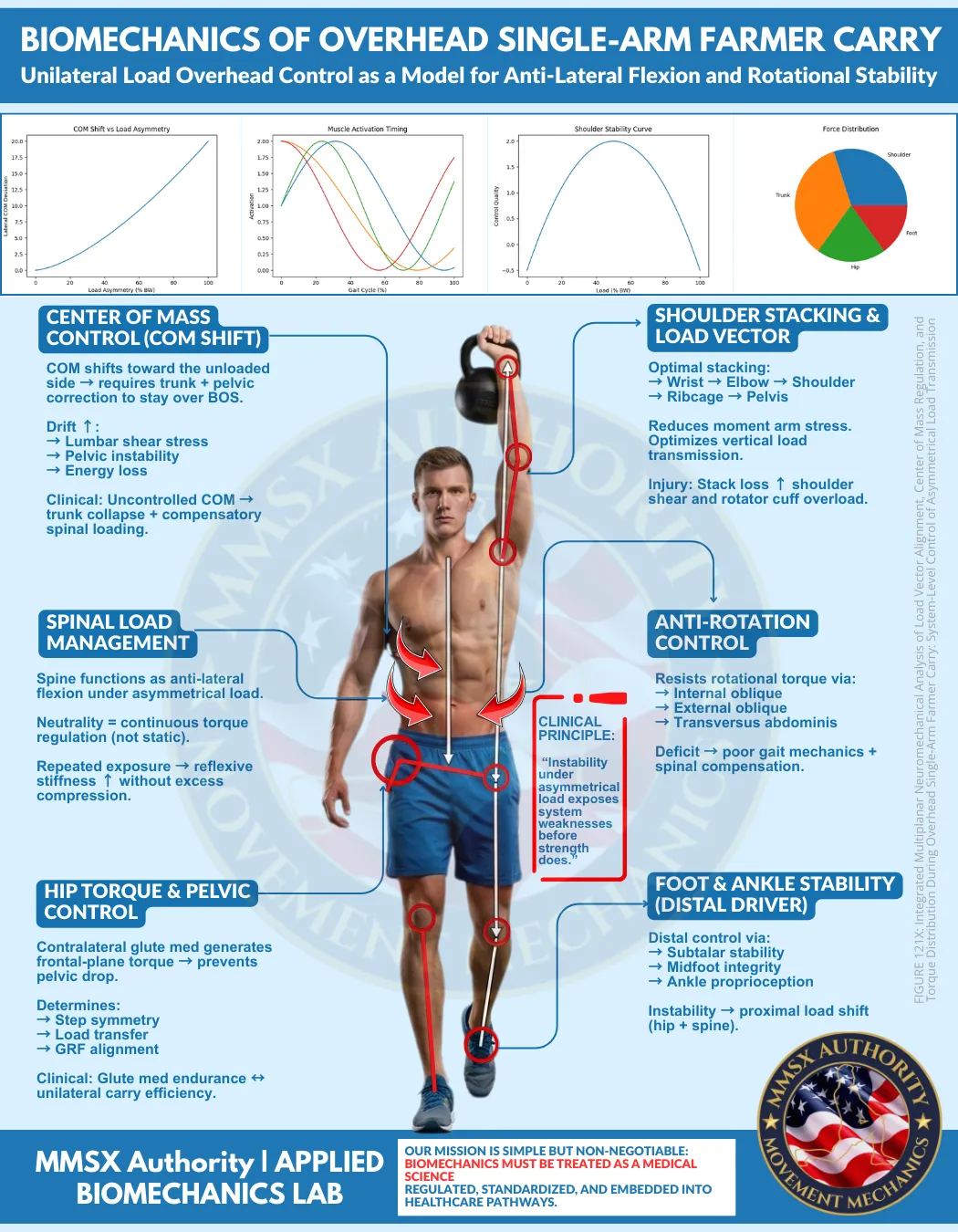
Corrective exercises are an integral part of biomechanics, a field of study that seeks to understand and improve the movement and function of the human body. The science behind corrective exercises is rooted in the concept of muscle imbalances and weaknesses, which can lead to pain and limited range of motion. By targeting these specific areas, corrective exercises can help to improve overall performance and prevent injury.
Biomechanics is the study of how the human body moves with the intention of optimizing one’s performance in all aspects. It is hoped that by performing these moves, you will be able to strengthen weak muscles and rectify any muscle imbalances that may be contributing to your discomfort or inability to move freely. Athletes and anyone who exercise frequently benefit greatly from them since they reduce the risk of injury and boost their performance.
Our ability to move is the result of a highly intricate network of muscles, skeleton, and joints. Discomfort and restricted motion are common results of dysfunction in even a single part of this system. Pain in the lower back might be caused by tight hip flexors, while weak glutes can cause pain in the knees. Performing corrective exercises on these areas can help enhance mobility and lessen discomfort.
Resistance training is a great approach to strengthen weak muscles and correct muscular imbalances. Achieving gains in muscular strength and mobility by isolating and training individual muscle groups is the goal of these routines. Squats and lunges, for instance, are excellent for strengthening the glutes, while deadlifts and rows are excellent for strengthening the back.
Corrective exercises consist primarily of weight training, but also include stretching as a crucial component. The ability to move freely and easily is a key factor in avoiding injury and maximizing efficiency. Common stretches used to enhance mobility and flexibility include those for the hip flexors, hamstrings, and neck.
Exercise technique and form are also crucial components of corrective exercise. In addition to increasing the risk of injury, poor form reduces the effectiveness of the exercise by failing to properly stimulate the intended muscles. If you want to be sure you’re exercising correctly, a personal trainer or physical therapist can give you a hand.
As part of a larger fitness program aimed at enhancing overall performance, corrective exercises can be utilized to target individual muscle imbalances or weaknesses. Because of their potential to alleviate discomfort, increase mobility, and forestall damage, they should be incorporated into the routines of every athlete and fitness fanatic.
In conclusion, corrective exercises are an integral aspect of biomechanics since they address muscle imbalances and deficiencies, both of which contribute to poor performance. You can use them to ease discomfort, increase mobility, and forestall injuries. There is an emphasis on resistance training, stretching, and correct form and technique. Talking to a professional, such as a physical therapist or trainer, can help you create a plan that is tailored to your specific requirements and goals.
According to Scientific Evidences:
The scientific data supporting the efficacy of corrective workouts in correcting muscular imbalances and deficiencies is emerging. According to a study published in the Journal of Orthopaedic & Sports Physical Therapy, patients with knee discomfort who conducted exercises to strengthen their quadriceps and hip muscles saw a significant decrease in pain and an improvement in knee function.
Another study, published in the Journal of Strength and Conditioning Research, discovered that those who conducted exercises to correct shoulder muscle imbalances saw a significant decrease in shoulder pain and an improvement in shoulder function.
In addition, research has demonstrated that remedial exercises can avoid injury and improve athletic performance. A study published in the Journal of Athletic Training discovered that athletes who conducted corrective exercises for muscular imbalances had a considerably lower injury risk than those who did not.
If you are interested in understanding more on this topic, you can check on the links below
Here are a few websites that provide information on corrective exercise and biomechanics:
- The National Academy of Sports Medicine (NASM) – https://www.nasm.org/
- The American Council on Exercise (ACE) – https://www.acefitness.org/
- The Titleist Performance Institute (TPI) – https://www.tpi.com/
- The Gray Institute – https://www.grayinstitute.com/
- The Postural Restoration Institute (PRI) – https://www.posturalrestoration.com/
- The Functional Movement Screen (FMS) – https://www.functionalmovement.com/
- The Selective Functional Movement Assessment (SFMA) – https://www.sfma.org/
These websites provide information on the latest research, exercises, and techniques for improving posture, movement mechanics, and overall fitness. They also offer certifications and continuing education for fitness professionals.
Corrective exercise, biomechanics, posture, movement mechanics, muscle imbalances, injury prevention, muscle activation, muscle rehabilitation, kinesiology, gait analysis, functional movement, posture alignment, joint mobility, corrective exercise biomechanics, muscle imbalances, injury prevention, muscle activation, muscle rehabilitation, kinesiology, gait analysis, functional movement, posture alignment, joint mobility, muscle function, muscle performance, muscle mechanics, postural correction, muscle symmetry, strength and conditioning, rehabilitation exercise, proprioception, neuromuscular control.
डॉ. नीरज मेहता, PhD (मानव बायोमैकेनिक्स एवं वैकल्पिक चिकित्सा) द्वारा लिखित।
सुधारात्मक व्यायाम (corrective exercises) इस बात का अध्ययन है कि मानव शरीर कैसे गति करता और कार्य करता है, तथा उसमें सुधार कैसे किया जाए। सुधारात्मक व्यायाम इस अवधारणा पर आधारित हैं कि मांसपेशियाँ दुर्बल या असंतुलित हो सकती हैं, जिससे दर्द हो सकता है और आपकी गति-सीमा (range of motion) सीमित हो सकती है। इन विशिष्ट क्षेत्रों पर ध्यान केंद्रित करके सुधारात्मक व्यायाम समग्र प्रदर्शन में सुधार करने और आपको चोटिल होने से बचाने में सहायक हो सकते हैं।
सुधारात्मक व्यायाम बायोमैकेनिक्स का एक अभिन्न अंग हैं — अध्ययन का वह क्षेत्र जो मानव शरीर की गति और कार्य को समझने तथा उनमें सुधार करने का प्रयास करता है। सुधारात्मक व्यायामों के पीछे का विज्ञान मांसपेशीय असंतुलन (muscle imbalances) और दुर्बलताओं की अवधारणा पर आधारित है, जो दर्द और सीमित गति-सीमा का कारण बन सकते हैं। इन विशिष्ट क्षेत्रों को लक्षित करके सुधारात्मक व्यायाम समग्र प्रदर्शन में सुधार करने और चोट से बचाव में सहायक हो सकते हैं।
बायोमैकेनिक्स इस बात का अध्ययन है कि मानव शरीर कैसे गति करता है, जिसका उद्देश्य सभी पहलुओं में व्यक्ति के प्रदर्शन को इष्टतम बनाना है। यह आशा की जाती है कि इन गतियों को करके आप दुर्बल मांसपेशियों को सुदृढ़ कर पाएँगे और किसी भी ऐसे मांसपेशीय असंतुलन को ठीक कर पाएँगे जो आपकी असुविधा या स्वतंत्र रूप से गति करने में असमर्थता का कारण हो सकता है। एथलीटों और नियमित रूप से व्यायाम करने वाले सभी व्यक्तियों को इनसे अत्यधिक लाभ होता है, क्योंकि ये चोट के जोखिम को कम करते हैं और प्रदर्शन को बढ़ाते हैं।
हमारी गति करने की क्षमता मांसपेशियों, कंकाल और जोड़ों के एक अत्यंत जटिल तंत्र का परिणाम है। इस तंत्र के किसी एक भाग में भी शिथिलता (dysfunction) होने पर असुविधा और सीमित गति सामान्य परिणाम होते हैं। कमर के निचले भाग में दर्द जकड़े हुए हिप फ्लेक्सर्स के कारण हो सकता है, जबकि दुर्बल ग्लूट्स घुटनों में दर्द का कारण बन सकते हैं। इन क्षेत्रों पर सुधारात्मक व्यायाम करने से गतिशीलता (mobility) बढ़ाने और असुविधा कम करने में सहायता मिल सकती है।
प्रतिरोध प्रशिक्षण (resistance training) दुर्बल मांसपेशियों को सुदृढ़ करने और मांसपेशीय असंतुलन को ठीक करने का एक उत्तम उपाय है। इन दिनचर्याओं का लक्ष्य व्यक्तिगत मांसपेशी समूहों को पृथक करके और प्रशिक्षित करके मांसपेशीय शक्ति और गतिशीलता में वृद्धि प्राप्त करना है। उदाहरण के लिए, स्क्वाट और लंज ग्लूट्स को सुदृढ़ करने के लिए उत्कृष्ट हैं, जबकि डेडलिफ्ट और रो (rows) पीठ को सुदृढ़ करने के लिए उत्कृष्ट हैं।
सुधारात्मक व्यायामों में मुख्य रूप से भार प्रशिक्षण सम्मिलित होता है, किंतु स्ट्रेचिंग भी एक महत्वपूर्ण घटक के रूप में इसमें शामिल है। स्वतंत्र और सहज रूप से गति करने की क्षमता चोट से बचने और दक्षता को अधिकतम करने का एक प्रमुख कारक है। गतिशीलता और लचीलेपन को बढ़ाने के लिए प्रयुक्त सामान्य स्ट्रेचों में हिप फ्लेक्सर्स, हैमस्ट्रिंग और गर्दन के स्ट्रेच सम्मिलित हैं।
व्यायाम की तकनीक और रूप (form) भी सुधारात्मक व्यायाम के महत्वपूर्ण घटक हैं। चोट के जोखिम को बढ़ाने के अतिरिक्त, त्रुटिपूर्ण रूप लक्षित मांसपेशियों को उचित रूप से उत्तेजित न कर पाने के कारण व्यायाम की प्रभावशीलता को भी कम करता है। यदि आप यह सुनिश्चित करना चाहते हैं कि आप सही ढंग से व्यायाम कर रहे हैं, तो कोई पर्सनल ट्रेनर या फ़िज़ियोथेरेपिस्ट आपकी सहायता कर सकता है।
समग्र प्रदर्शन को बढ़ाने के उद्देश्य से बनाए गए किसी व्यापक फिटनेस कार्यक्रम के भाग के रूप में, सुधारात्मक व्यायामों का उपयोग व्यक्तिगत मांसपेशीय असंतुलनों या दुर्बलताओं को लक्षित करने के लिए किया जा सकता है। असुविधा को कम करने, गतिशीलता बढ़ाने और क्षति को रोकने की उनकी क्षमता के कारण, उन्हें प्रत्येक एथलीट और फिटनेस के प्रति उत्साही व्यक्ति की दिनचर्या में सम्मिलित किया जाना चाहिए।
निष्कर्षतः, सुधारात्मक व्यायाम बायोमैकेनिक्स का एक अभिन्न पहलू हैं, क्योंकि वे मांसपेशीय असंतुलन और कमियों — जो दोनों ही खराब प्रदर्शन में योगदान करते हैं — का समाधान करते हैं। आप इनका उपयोग असुविधा को कम करने, गतिशीलता बढ़ाने और चोटों को रोकने के लिए कर सकते हैं। इनमें प्रतिरोध प्रशिक्षण, स्ट्रेचिंग, तथा सही रूप और तकनीक पर बल दिया जाता है। फ़िज़ियोथेरेपिस्ट या ट्रेनर जैसे किसी पेशेवर से परामर्श करने से आपको अपनी विशिष्ट आवश्यकताओं और लक्ष्यों के अनुरूप योजना बनाने में सहायता मिल सकती है।
वैज्ञानिक साक्ष्यों के अनुसार:
मांसपेशीय असंतुलन और कमियों को ठीक करने में सुधारात्मक व्यायामों की प्रभावकारिता का समर्थन करने वाले वैज्ञानिक आँकड़े उभर रहे हैं। Journal of Orthopaedic & Sports Physical Therapy में प्रकाशित एक अध्ययन के अनुसार, घुटने की असुविधा वाले जिन रोगियों ने अपनी क्वाड्रिसेप्स और कूल्हे की मांसपेशियों को सुदृढ़ करने के व्यायाम किए, उनके दर्द में उल्लेखनीय कमी और घुटने के कार्य में सुधार देखा गया।
Journal of Strength and Conditioning Research में प्रकाशित एक अन्य अध्ययन में पाया गया कि जिन लोगों ने कंधे की मांसपेशियों के असंतुलन को ठीक करने के व्यायाम किए, उनके कंधे के दर्द में उल्लेखनीय कमी और कंधे के कार्य में सुधार देखा गया।
इसके अतिरिक्त, शोध ने यह प्रदर्शित किया है कि उपचारात्मक व्यायाम चोट से बचा सकते हैं और खेल प्रदर्शन में सुधार कर सकते हैं। Journal of Athletic Training में प्रकाशित एक अध्ययन में पाया गया कि मांसपेशीय असंतुलन के लिए सुधारात्मक व्यायाम करने वाले एथलीटों में चोट का जोखिम ऐसा न करने वालों की तुलना में काफ़ी कम था।
यदि आप इस विषय पर और अधिक जानने में रुचि रखते हैं, तो नीचे दिए गए लिंक देख सकते हैं
सुधारात्मक व्यायाम और बायोमैकेनिक्स पर जानकारी प्रदान करने वाली कुछ वेबसाइटें इस प्रकार हैं:
- The National Academy of Sports Medicine (NASM) – https://www.nasm.org/
- The American Council on Exercise (ACE) – https://www.acefitness.org/
- The Titleist Performance Institute (TPI) – https://www.tpi.com/
- The Gray Institute – https://www.grayinstitute.com/
- The Postural Restoration Institute (PRI) – https://www.posturalrestoration.com/
- The Functional Movement Screen (FMS) – https://www.functionalmovement.com/
- The Selective Functional Movement Assessment (SFMA) – https://www.sfma.org/
ये वेबसाइटें मुद्रा (posture), गति-यांत्रिकी (movement mechanics) और समग्र फिटनेस में सुधार के लिए नवीनतम शोध, व्यायामों और तकनीकों पर जानकारी प्रदान करती हैं। ये फिटनेस पेशेवरों के लिए प्रमाणन और सतत शिक्षा भी प्रदान करती हैं।
सुधारात्मक व्यायाम, बायोमैकेनिक्स, मुद्रा, गति-यांत्रिकी, मांसपेशीय असंतुलन, चोट-निवारण, मांसपेशी सक्रियण, मांसपेशी पुनर्वास, काइनेसियोलॉजी, चाल विश्लेषण (gait analysis), कार्यात्मक गति (functional movement), मुद्रा संरेखण, संधि गतिशीलता, सुधारात्मक व्यायाम बायोमैकेनिक्स, मांसपेशीय असंतुलन, चोट-निवारण, मांसपेशी सक्रियण, मांसपेशी पुनर्वास, काइनेसियोलॉजी, चाल विश्लेषण, कार्यात्मक गति, मुद्रा संरेखण, संधि गतिशीलता, मांसपेशी कार्य, मांसपेशी प्रदर्शन, मांसपेशी यांत्रिकी, मुद्रा सुधार, मांसपेशी समरूपता, शक्ति एवं अनुकूलन (strength and conditioning), पुनर्वास व्यायाम, प्रोप्रियोसेप्शन (proprioception), तंत्रिका-पेशीय नियंत्रण (neuromuscular control)।
Redactado por el Dr. Neeraj Mehta, PhD (Biomecánica Humana y Medicina Alternativa)
El ejercicio correctivo es el estudio de cómo se mueve y funciona el cuerpo humano y de cómo mejorarlo. Los ejercicios correctivos se basan en la idea de que los músculos pueden estar débiles o desequilibrados, lo que puede causar dolor y limitar el rango de movimiento. Al centrarse en estas áreas específicas, los ejercicios correctivos pueden ayudar a mejorar el rendimiento global y a evitar lesiones.
Los ejercicios correctivos son parte integral de la biomecánica, un campo de estudio que busca comprender y mejorar el movimiento y la función del cuerpo humano. La ciencia que sustenta los ejercicios correctivos se basa en el concepto de desequilibrios y debilidades musculares, que pueden provocar dolor y un rango de movimiento limitado. Al actuar sobre estas áreas específicas, los ejercicios correctivos pueden contribuir a mejorar el rendimiento global y prevenir lesiones.
La biomecánica es el estudio de cómo se mueve el cuerpo humano con el propósito de optimizar el rendimiento en todos sus aspectos. Se espera que, mediante la realización de estos movimientos, pueda fortalecer los músculos débiles y corregir cualquier desequilibrio muscular que pueda estar contribuyendo a sus molestias o a su incapacidad para moverse con libertad. Los deportistas y todas las personas que se ejercitan con frecuencia se benefician enormemente de ellos, ya que reducen el riesgo de lesión y mejoran su rendimiento.
Nuestra capacidad de movimiento es el resultado de una red sumamente compleja de músculos, esqueleto y articulaciones. Las molestias y la restricción del movimiento son consecuencias frecuentes de la disfunción incluso de una sola parte de este sistema. El dolor lumbar puede deberse a unos flexores de cadera acortados, mientras que unos glúteos débiles pueden provocar dolor en las rodillas. La realización de ejercicios correctivos sobre estas áreas puede ayudar a mejorar la movilidad y a reducir las molestias.
El entrenamiento de fuerza es un excelente medio para fortalecer los músculos débiles y corregir los desequilibrios musculares. El objetivo de estas rutinas es lograr mejoras de la fuerza muscular y de la movilidad mediante el aislamiento y el entrenamiento de grupos musculares concretos. Las sentadillas y las zancadas, por ejemplo, son excelentes para fortalecer los glúteos, mientras que el peso muerto y los remos son excelentes para fortalecer la espalda.
Los ejercicios correctivos consisten principalmente en entrenamiento con cargas, pero también incluyen los estiramientos como componente esencial. La capacidad de moverse con libertad y facilidad es un factor clave para evitar lesiones y maximizar la eficiencia. Entre los estiramientos habituales para mejorar la movilidad y la flexibilidad se encuentran los de los flexores de la cadera, los isquiotibiales y el cuello.
La técnica y la ejecución del ejercicio son también componentes esenciales del ejercicio correctivo. Además de aumentar el riesgo de lesión, una ejecución deficiente reduce la eficacia del ejercicio al no estimular adecuadamente los músculos a los que se dirige. Si desea asegurarse de que se ejercita correctamente, un entrenador personal o un fisioterapeuta pueden ayudarle.
Como parte de un programa de acondicionamiento físico más amplio orientado a mejorar el rendimiento global, los ejercicios correctivos pueden utilizarse para abordar desequilibrios o debilidades musculares concretos. Por su capacidad para aliviar las molestias, aumentar la movilidad y prevenir lesiones, deberían incorporarse a las rutinas de todo deportista y aficionado al fitness.
En conclusión, los ejercicios correctivos son un aspecto integral de la biomecánica, ya que abordan los desequilibrios y las deficiencias musculares, que contribuyen a un rendimiento deficiente. Puede utilizarlos para aliviar las molestias, aumentar la movilidad y prevenir lesiones. Se hace hincapié en el entrenamiento de fuerza, los estiramientos y una ejecución y técnica correctas. Consultar a un profesional, como un fisioterapeuta o un entrenador, puede ayudarle a elaborar un plan adaptado a sus necesidades y objetivos específicos.
Según la evidencia científica:
Los datos científicos que respaldan la eficacia de los ejercicios correctivos para corregir los desequilibrios y las deficiencias musculares están en aumento. Según un estudio publicado en el Journal of Orthopaedic & Sports Physical Therapy, los pacientes con molestias de rodilla que realizaron ejercicios para fortalecer los cuádriceps y los músculos de la cadera experimentaron una disminución significativa del dolor y una mejora de la función de la rodilla.
Otro estudio, publicado en el Journal of Strength and Conditioning Research, constató que quienes realizaron ejercicios para corregir los desequilibrios musculares del hombro experimentaron una disminución significativa del dolor de hombro y una mejora de su función.
Además, la investigación ha demostrado que los ejercicios correctivos pueden evitar lesiones y mejorar el rendimiento deportivo. Un estudio publicado en el Journal of Athletic Training constató que los deportistas que realizaron ejercicios correctivos para los desequilibrios musculares presentaban un riesgo de lesión considerablemente menor que quienes no los realizaron.
Si desea profundizar en este tema, puede consultar los enlaces que figuran a continuación
Estos son algunos sitios web que ofrecen información sobre el ejercicio correctivo y la biomecánica:
- The National Academy of Sports Medicine (NASM) – https://www.nasm.org/
- The American Council on Exercise (ACE) – https://www.acefitness.org/
- The Titleist Performance Institute (TPI) – https://www.tpi.com/
- The Gray Institute – https://www.grayinstitute.com/
- The Postural Restoration Institute (PRI) – https://www.posturalrestoration.com/
- The Functional Movement Screen (FMS) – https://www.functionalmovement.com/
- The Selective Functional Movement Assessment (SFMA) – https://www.sfma.org/
Estos sitios web ofrecen información sobre las investigaciones, los ejercicios y las técnicas más recientes para mejorar la postura, la mecánica del movimiento y la condición física global. También ofrecen certificaciones y formación continua para profesionales del fitness.
Ejercicio correctivo, biomecánica, postura, mecánica del movimiento, desequilibrios musculares, prevención de lesiones, activación muscular, rehabilitación muscular, kinesiología, análisis de la marcha, movimiento funcional, alineación postural, movilidad articular, biomecánica del ejercicio correctivo, desequilibrios musculares, prevención de lesiones, activación muscular, rehabilitación muscular, kinesiología, análisis de la marcha, movimiento funcional, alineación postural, movilidad articular, función muscular, rendimiento muscular, mecánica muscular, corrección postural, simetría muscular, fuerza y acondicionamiento, ejercicio de rehabilitación, propiocepción, control neuromuscular.
بقلم د. نيراج ميهتا، PhD (الميكانيكا الحيوية البشرية والطب البديل)
التمارين التصحيحية (corrective exercises) هي دراسة كيفية حركة جسم الإنسان وعمله وكيفية تحسينهما. وتستند التمارين التصحيحية إلى فكرة أن العضلات قد تكون ضعيفة أو غير متوازنة، مما قد يُسبّب الألم ويحدّ من مدى حركتك. ويمكن أن تساعد التمارين التصحيحية، بتركيزها على هذه المناطق المحددة، في تحسين الأداء العام ووقايتك من الإصابة.
التمارين التصحيحية جزء لا يتجزأ من الميكانيكا الحيوية، وهي مجال دراسي يسعى إلى فهم حركة جسم الإنسان ووظيفته وتحسينهما. ويتجذّر العلم الكامن وراء التمارين التصحيحية في مفهوم اختلالات التوازن العضلي (muscle imbalances) ومواطن الضعف العضلي، التي قد تؤدي إلى الألم ومحدودية مدى الحركة. ومن خلال استهداف هذه المناطق المحددة، يمكن أن تساعد التمارين التصحيحية في تحسين الأداء العام والوقاية من الإصابة.
الميكانيكا الحيوية هي دراسة كيفية حركة جسم الإنسان بهدف تحسين أداء الفرد في جميع الجوانب. والمأمول أنك، بأداء هذه الحركات، ستتمكن من تقوية العضلات الضعيفة وتصحيح أي اختلالات في التوازن العضلي قد تُسهم في شعورك بالانزعاج أو في عجزك عن الحركة بحرية. ويستفيد منها الرياضيون وكل من يمارس التمرين بانتظام استفادة كبيرة، لأنها تُقلّل خطر الإصابة وتُعزّز الأداء.
إن قدرتنا على الحركة هي نتاج شبكة بالغة التعقيد من العضلات والهيكل العظمي والمفاصل. والانزعاج ومحدودية الحركة نتيجتان شائعتان لاختلال وظيفة جزء واحد فقط من هذه المنظومة. فقد ينجم ألم أسفل الظهر عن تيبّس العضلات المثنية للورك، في حين قد يُسبّب ضعف العضلات الألوية ألمًا في الركبتين. ويمكن أن يساعد أداء التمارين التصحيحية لهذه المناطق في تعزيز الحركة وتخفيف الانزعاج.
يُعدّ تدريب المقاومة نهجًا ممتازًا لتقوية العضلات الضعيفة وتصحيح اختلالات التوازن العضلي. والهدف من هذه البرامج تحقيق مكاسب في القوة العضلية والحركة من خلال عزل مجموعات عضلية بعينها وتدريبها. فالقرفصاء (squats) والطعنات (lunges)، على سبيل المثال، ممتازة لتقوية العضلات الألوية، في حين تُعدّ الرفعة الميتة (deadlifts) وتمارين السحب (rows) ممتازة لتقوية الظهر.
تتكوّن التمارين التصحيحية أساسًا من تدريب الأثقال، لكنها تتضمن أيضًا الإطالة بوصفها مكوّنًا حاسمًا. فالقدرة على الحركة بحرية وسهولة عامل رئيسي في تجنّب الإصابة وتحقيق أقصى كفاءة. ومن تمارين الإطالة الشائعة المستخدمة لتعزيز الحركة والمرونة تلك المخصصة للعضلات المثنية للورك، والعضلات الخلفية للفخذ، والرقبة.
تُعدّ تقنية التمرين وأسلوب أدائه أيضًا من المكوّنات الحاسمة للتمرين التصحيحي. فإلى جانب زيادة خطر الإصابة، يُقلّل الأداء الخاطئ من فاعلية التمرين لإخفاقه في تحفيز العضلات المستهدفة على النحو الصحيح. وإن أردت التأكد من أنك تتمرن بطريقة صحيحة، فبإمكان مدرب شخصي أو معالج طبيعي أن يمدّ لك يد العون.
يمكن توظيف التمارين التصحيحية، بوصفها جزءًا من برنامج لياقة بدنية أشمل يهدف إلى تعزيز الأداء العام، لاستهداف اختلالات توازن عضلي أو مواطن ضعف بعينها. ونظرًا إلى قدرتها على تخفيف الانزعاج وزيادة الحركة ودرء التلف، ينبغي إدراجها في برامج كل رياضي وكل شغوف باللياقة البدنية.
ختامًا، تُعدّ التمارين التصحيحية جانبًا لا يتجزأ من الميكانيكا الحيوية، لأنها تعالج اختلالات التوازن العضلي ومواطن القصور العضلي، وكلاهما يُسهم في ضعف الأداء. ويمكنك استخدامها لتخفيف الانزعاج وزيادة الحركة ودرء الإصابات. ويُركَّز فيها على تدريب المقاومة والإطالة والأسلوب والتقنية الصحيحين. ويمكن أن يساعدك التحدث إلى مختص، كمعالج طبيعي أو مدرب، في وضع خطة مصمّمة وفق متطلباتك وأهدافك المحددة.
وفقًا للأدلة العلمية:
تتزايد البيانات العلمية الداعمة لفاعلية التمارين التصحيحية في تصحيح اختلالات التوازن العضلي ومواطن القصور العضلي. فوفقًا لدراسة نُشرت في Journal of Orthopaedic & Sports Physical Therapy، شهد المرضى الذين يعانون انزعاجًا في الركبة وأدّوا تمارين لتقوية العضلة رباعية الرؤوس وعضلات الورك انخفاضًا ملحوظًا في الألم وتحسّنًا في وظيفة الركبة.
واكتشفت دراسة أخرى، نُشرت في Journal of Strength and Conditioning Research، أن من أدّوا تمارين لتصحيح اختلالات التوازن في عضلات الكتف شهدوا انخفاضًا ملحوظًا في ألم الكتف وتحسّنًا في وظيفته.
فضلًا عن ذلك، أثبتت الأبحاث أن التمارين العلاجية يمكن أن تقي من الإصابة وتُحسّن الأداء الرياضي. فقد اكتشفت دراسة نُشرت في Journal of Athletic Training أن الرياضيين الذين أدّوا تمارين تصحيحية لاختلالات التوازن العضلي كان خطر إصابتهم أقل بكثير ممن لم يؤدّوها.
إن كنت مهتمًا بفهم المزيد حول هذا الموضوع، يمكنك الاطلاع على الروابط أدناه
فيما يلي بعض المواقع الإلكترونية التي تقدّم معلومات حول التمرين التصحيحي والميكانيكا الحيوية:
- The National Academy of Sports Medicine (NASM) – https://www.nasm.org/
- The American Council on Exercise (ACE) – https://www.acefitness.org/
- The Titleist Performance Institute (TPI) – https://www.tpi.com/
- The Gray Institute – https://www.grayinstitute.com/
- The Postural Restoration Institute (PRI) – https://www.posturalrestoration.com/
- The Functional Movement Screen (FMS) – https://www.functionalmovement.com/
- The Selective Functional Movement Assessment (SFMA) – https://www.sfma.org/
تقدّم هذه المواقع معلومات حول أحدث الأبحاث والتمارين والتقنيات لتحسين القوام وميكانيكا الحركة واللياقة البدنية الشاملة. كما تقدّم شهادات اعتماد وبرامج تعليم مستمر لمهنيي اللياقة البدنية.
التمرين التصحيحي، الميكانيكا الحيوية، القوام، ميكانيكا الحركة، اختلالات التوازن العضلي، الوقاية من الإصابات، التنشيط العضلي، إعادة التأهيل العضلي، علم الحركة، تحليل المشي، الحركة الوظيفية، محاذاة القوام، حركية المفاصل، الميكانيكا الحيوية للتمرين التصحيحي، اختلالات التوازن العضلي، الوقاية من الإصابات، التنشيط العضلي، إعادة التأهيل العضلي، علم الحركة، تحليل المشي، الحركة الوظيفية، محاذاة القوام، حركية المفاصل، الوظيفة العضلية، الأداء العضلي، الميكانيكا العضلية، التصحيح القوامي، التناظر العضلي، القوة والتكييف البدني، تمارين إعادة التأهيل، الحس العميق (proprioception)، التحكم العصبي العضلي.