
By Dr. Neeraj Mehta {Ph. D. in Human Biomechanics & Alternative Medicine}
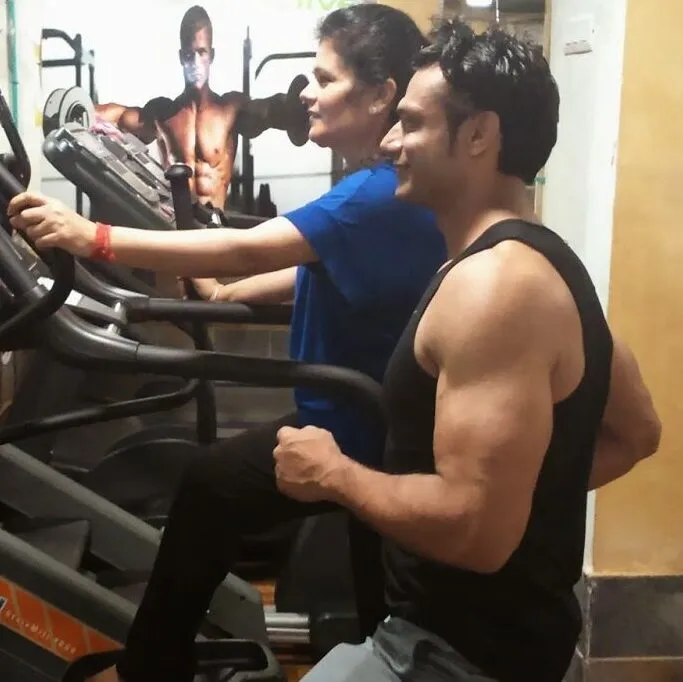
This article is about how exercise has helped me in many aspects of my life. Working out has taught me how to care for my mind and body. I have more energy and am better able to finish things, whether at work, running a side company, or managing my family time. The best part was that I could assist people while doing what I like.
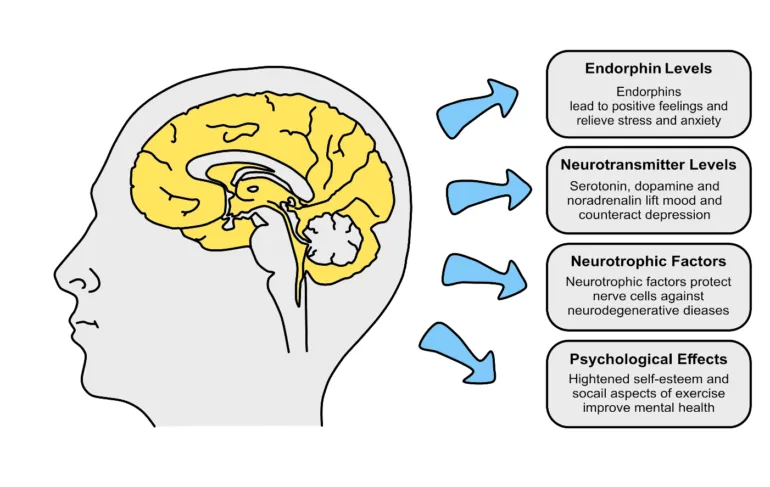
This is all my personal fitness research and experience… Exercise is a kind of medicine with several advantages. Everyone benefits from healing their heart and muscles while using their intellect. Making lists is useful for learning a new language, shopping, or remembering to-do lists. Daily exercise is a panacea. Regular exercise improves brain function. Neurogenesis promotes brain cell growth (neurons). Cardio and weight exercise may be best for the brain.
Exercise improves cerebral blood flow and lowers free radicals. One of the most interesting recent discoveries is that increased oxygen levels improve mental sharpness.
Exercise strengthens the cell connections. Exercise stimulates memory and learning-related brain regions.
Exercise may help prevent Alzheimer’s. Several studies indicate that regular exercise lowers the risk of cognitive decline and dementia.
Studies show that BDNF, or brain-derived neurotrophic factor, aids in the growth of neurons. Exercising increases BDNF levels. These alterations are epigenetic, affecting how genes are produced, resulting in changes in brain connections and function.
In a recent study in UCLA researchers found that exercise increased brain growth factors, allowing the brain to establish new neural connections more easily.
Moderate exercise seems to be anti-inflammatory, regulating the immune system and reducing inflammation. This is critical given recent discoveries in neuroscience about the role of inflammation in anxiety and depression.
Researchers also discovered in recent research that even among those who did not meet the recommended levels of physical activity, each hour of light-intensity physical activity and walking at least 7,500 steps per day was associated with increased overall brain capacity. “Roughly 1.4 to 2.2 years less brain aging” was the result of this study.
Finally, exercise seems to increase dopamine and endorphin levels, which are brain chemicals that interact between neurons. These traits lead to a good mood and motivation.
Exercise relieves anxiety and sorrow also:
High stress may damage your health. According to scientific studies, exercise has been shown to help improve your ability to withstand stress and preserve your overall health. Pay attention to your posture.
Exercise has also been studied for its impact on brain function and emotions like sadness and anxiety. Exercise enhances memory, cognition, and academic performance. Regular exercise has a similar impact on depressive symptoms as psychotherapy, according to studies. This reduces anxiety symptoms in people with anxiety disorders.
New research found that exercise had comparable psychological effects in the treatment of anxiety. It has been shown that, in some cases, exercise is equivalent to prescription antidepressant medications in terms of effectiveness in patients with severe depression, and those who go through a two-week exercise program have significant reductions in anxiety sensitivity.
“So, in order to enhance your life, you must exercise on a regular basis. When it comes to physical activity, nearly everyone, even the elderly, may benefit from some kind of physical activity. It is possible that being active will help you in a number of ways, regardless of your physical or mental health.” – Dr. Neeraj Mehta (Director GFFI Fitness Academy)
https://adaa.org/living-with-anxiety/managing-anxiety/exercise-stress-and-anxiety
https://www.apa.org/monitor/2011/12/exercise
https://www.healthdirect.gov.au/exercise-and-mental-health
https://www.mentalhealth.org.uk/publications/how-to-using-exercise
https://www.orlandohealth.com/content-hub/break-a-sweat-and-give-your-brain-a-boost
https://qz.com/2018965/how-exercise-protects-the-brain-against-depression-and-anxiety/
Become Fitness Expert with GFFI Fitness Academy
Your passport to the fitness industry
#fitnesscoach #fitness #fitnessmotivation #personaltrainer #fitnessjourney #workout #fitnessgoals #gym #fitnessaddict #fitnesslifestyle #fitnesstrainer #motivation #fitnessmodel #fitnesslife #bodybuilding #healthylifestyle #fit #coach #fitnesstips #weightloss #fitfam #fitnessgirl #fitnessfreak #personaltraining #health #fitnessinspiration #training #fitnessbody #nutrition #bodygntx #bodyengineerneeraj #gffifitness #gffifitnessacademy #bestpersonaltrainer #certifiedtrainer #drneerajmehta #fitnessacademy #bmxstrength #fitnesstherapistneeraj
डॉ. नीरज मेहता, PhD {मानव जैवयांत्रिकी एवं वैकल्पिक चिकित्सा} द्वारा
यह लेख इस बारे में है कि व्यायाम ने मेरे जीवन के अनेक पक्षों में किस प्रकार मेरी सहायता की है। वर्कआउट ने मुझे सिखाया है कि अपने मन और शरीर की देखभाल कैसे करें। मुझमें अधिक ऊर्जा है और मैं कार्यों को बेहतर ढंग से पूरा कर पाता हूँ, चाहे वह कार्यस्थल पर हो, कोई सहायक व्यवसाय चलाने में हो, अथवा पारिवारिक समय के प्रबंधन में। सबसे अच्छी बात यह रही कि जो कार्य मुझे प्रिय है उसे करते हुए मैं लोगों की सहायता कर सका।
यह सब मेरा व्यक्तिगत फिटनेस शोध और अनुभव है… व्यायाम अनेक लाभों वाली एक प्रकार की औषधि है। अपनी बुद्धि का उपयोग करते हुए अपने हृदय और पेशियों को स्वस्थ बनाने से सभी लाभान्वित होते हैं। नई भाषा सीखने, ख़रीदारी करने, अथवा करणीय कार्यों की सूचियाँ याद रखने के लिए सूचियाँ बनाना उपयोगी है। दैनिक व्यायाम एक रामबाण है। नियमित व्यायाम मस्तिष्क की कार्यप्रणाली में सुधार करता है। न्यूरोजेनेसिस (neurogenesis) मस्तिष्क-कोशिकाओं (न्यूरॉन) की वृद्धि को बढ़ावा देता है। कार्डियो और भार-व्यायाम मस्तिष्क के लिए सर्वोत्तम हो सकते हैं।
व्यायाम प्रमस्तिष्कीय रक्त-प्रवाह (cerebral blood flow) में सुधार करता है और मुक्त मूलकों (free radicals) को कम करता है। हाल की सबसे रोचक खोजों में से एक यह है कि बढ़ा हुआ ऑक्सीजन-स्तर मानसिक तीक्ष्णता में सुधार करता है।
व्यायाम कोशिकीय संबंधों को सुदृढ़ करता है। व्यायाम स्मृति और अधिगम (learning) से संबंधित मस्तिष्क-क्षेत्रों को उत्तेजित करता है।
व्यायाम अल्ज़ाइमर रोग को रोकने में सहायक हो सकता है। अनेक अध्ययन संकेत देते हैं कि नियमित व्यायाम संज्ञानात्मक ह्रास और मनोभ्रंश (dementia) के जोखिम को कम करता है।
अध्ययन दर्शाते हैं कि BDNF, अथवा मस्तिष्क-व्युत्पन्न न्यूरोट्रॉफ़िक कारक (brain-derived neurotrophic factor), न्यूरॉनों की वृद्धि में सहायता करता है। व्यायाम करने से BDNF का स्तर बढ़ता है। ये परिवर्तन एपिजेनेटिक (epigenetic) होते हैं, जो जीनों की अभिव्यक्ति के ढंग को प्रभावित करते हैं, जिसके परिणामस्वरूप मस्तिष्क के संबंधों और कार्यप्रणाली में परिवर्तन होते हैं।
UCLA में हुए एक हालिया अध्ययन में शोधकर्ताओं ने पाया कि व्यायाम ने मस्तिष्क के वृद्धि-कारकों को बढ़ाया, जिससे मस्तिष्क अधिक सरलता से नए तंत्रिका-संबंध स्थापित कर सका।
मध्यम व्यायाम सूजन-रोधी (anti-inflammatory) प्रतीत होता है, जो प्रतिरक्षा तंत्र को नियंत्रित करता है और सूजन को कम करता है। चिंता और अवसाद में सूजन की भूमिका के बारे में तंत्रिका-विज्ञान की हालिया खोजों को देखते हुए यह अत्यंत महत्वपूर्ण है।
शोधकर्ताओं ने हाल के शोध में यह भी पाया कि शारीरिक गतिविधि के अनुशंसित स्तर को पूरा न करने वाले लोगों में भी, हल्की तीव्रता की शारीरिक गतिविधि का प्रत्येक घंटा और प्रतिदिन कम से कम 7,500 कदम चलना समग्र मस्तिष्क-क्षमता में वृद्धि से संबद्ध था। इस अध्ययन का परिणाम था “मस्तिष्क की आयु-वृद्धि में लगभग 1.4 से 2.2 वर्ष की कमी”।
अंततः, व्यायाम डोपामाइन और एंडोर्फिन के स्तर को बढ़ाता प्रतीत होता है, जो न्यूरॉनों के बीच परस्पर क्रिया करने वाले मस्तिष्क-रसायन हैं। ये गुण अच्छी मनोदशा और प्रेरणा की ओर ले जाते हैं।
व्यायाम चिंता और शोक से भी राहत देता है:
उच्च तनाव आपके स्वास्थ्य को क्षति पहुँचा सकता है। वैज्ञानिक अध्ययनों के अनुसार, व्यायाम तनाव को सहन करने की आपकी क्षमता में सुधार करने और आपके समग्र स्वास्थ्य को संरक्षित रखने में सहायक पाया गया है। अपनी मुद्रा पर ध्यान दें।
मस्तिष्क की कार्यप्रणाली तथा उदासी और चिंता जैसी भावनाओं पर व्यायाम के प्रभाव का भी अध्ययन किया गया है। व्यायाम स्मृति, संज्ञान और शैक्षणिक प्रदर्शन को बढ़ाता है। अध्ययनों के अनुसार, अवसादग्रस्त लक्षणों पर नियमित व्यायाम का प्रभाव मनोचिकित्सा (psychotherapy) के समान होता है। यह चिंता-विकारों से ग्रस्त लोगों में चिंता के लक्षणों को कम करता है।
नए शोध में पाया गया कि चिंता के उपचार में व्यायाम के मनोवैज्ञानिक प्रभाव तुलनीय थे। यह दर्शाया गया है कि कुछ मामलों में, गंभीर अवसाद से ग्रस्त रोगियों में प्रभावशीलता की दृष्टि से व्यायाम चिकित्सक द्वारा निर्धारित अवसादरोधी औषधियों के समतुल्य है, और जो लोग दो सप्ताह का व्यायाम कार्यक्रम पूरा करते हैं उनकी चिंता-संवेदनशीलता (anxiety sensitivity) में उल्लेखनीय कमी आती है।
“अतः अपने जीवन को उन्नत बनाने के लिए आपको नियमित रूप से व्यायाम करना चाहिए। शारीरिक गतिविधि के संदर्भ में, लगभग प्रत्येक व्यक्ति, यहाँ तक कि वृद्धजन भी, किसी न किसी प्रकार की शारीरिक गतिविधि से लाभान्वित हो सकते हैं। यह संभव है कि सक्रिय रहना आपकी शारीरिक या मानसिक स्वास्थ्य-स्थिति चाहे जो हो, अनेक प्रकार से आपकी सहायता करे।” – डॉ. नीरज मेहता, PhD (निदेशक, GFFI Fitness Academy)
https://adaa.org/living-with-anxiety/managing-anxiety/exercise-stress-and-anxiety
https://www.apa.org/monitor/2011/12/exercise
https://www.healthdirect.gov.au/exercise-and-mental-health
https://www.mentalhealth.org.uk/publications/how-to-using-exercise
https://www.orlandohealth.com/content-hub/break-a-sweat-and-give-your-brain-a-boost
https://qz.com/2018965/how-exercise-protects-the-brain-against-depression-and-anxiety/
GFFI Fitness Academy के साथ फिटनेस विशेषज्ञ बनें
फिटनेस उद्योग में आपका प्रवेश-पत्र
#fitnesscoach #fitness #fitnessmotivation #personaltrainer #fitnessjourney #workout #fitnessgoals #gym #fitnessaddict #fitnesslifestyle #fitnesstrainer #motivation #fitnessmodel #fitnesslife #bodybuilding #healthylifestyle #fit #coach #fitnesstips #weightloss #fitfam #fitnessgirl #fitnessfreak #personaltraining #health #fitnessinspiration #training #fitnessbody #nutrition #bodygntx #bodyengineerneeraj #gffifitness #gffifitnessacademy #bestpersonaltrainer #certifiedtrainer #drneerajmehta #fitnessacademy #bmxstrength #fitnesstherapistneeraj
Por el Dr. Neeraj Mehta, PhD {PhD en Biomecánica Humana y Medicina Alternativa}
Este artículo trata de cómo el ejercicio me ha ayudado en muchos aspectos de mi vida. Entrenar me ha enseñado a cuidar de mi mente y de mi cuerpo. Tengo más energía y soy más capaz de completar mis tareas, ya sea en el trabajo, al gestionar un negocio paralelo o al organizar el tiempo con mi familia. Lo mejor de todo es que he podido ayudar a otras personas mientras hacía lo que me gusta.
Todo esto procede de mi investigación y experiencia personal en el ámbito del fitness… El ejercicio es una forma de medicina con múltiples ventajas. Todo el mundo se beneficia de sanar el corazón y los músculos mientras ejercita el intelecto. Hacer listas resulta útil para aprender un nuevo idioma, para ir de compras o para recordar las tareas pendientes. El ejercicio diario es una panacea. El ejercicio regular mejora la función cerebral. La neurogénesis favorece el crecimiento de células cerebrales (neuronas). El ejercicio cardiovascular y el entrenamiento con pesas pueden ser los más beneficiosos para el cerebro.
El ejercicio mejora el flujo sanguíneo cerebral y reduce los radicales libres. Uno de los descubrimientos recientes más interesantes es que el aumento de los niveles de oxígeno mejora la agudeza mental.
El ejercicio refuerza las conexiones entre las células. El ejercicio estimula las regiones cerebrales relacionadas con la memoria y el aprendizaje.
El ejercicio puede ayudar a prevenir la enfermedad de Alzheimer. Varios estudios indican que el ejercicio regular reduce el riesgo de deterioro cognitivo y de demencia.
Los estudios muestran que el BDNF, o factor neurotrófico derivado del cerebro (brain-derived neurotrophic factor), contribuye al crecimiento de las neuronas. El ejercicio aumenta los niveles de BDNF. Estas alteraciones son epigenéticas: afectan a la forma en que se expresan los genes y dan lugar a cambios en las conexiones y la función cerebrales.
En un estudio reciente de la UCLA , los investigadores observaron que el ejercicio aumentaba los factores de crecimiento cerebral, lo que permitía al cerebro establecer nuevas conexiones neuronales con mayor facilidad.
El ejercicio moderado parece tener un efecto antiinflamatorio, al regular el sistema inmunitario y reducir la inflamación. Esto es fundamental a la luz de los recientes descubrimientos de la neurociencia sobre el papel de la inflamación en la ansiedad y la depresión.
En una investigación reciente, los investigadores también descubrieron que, incluso entre quienes no alcanzaban los niveles recomendados de actividad física, cada hora de actividad física de intensidad ligera y caminar al menos 7,500 pasos al día se asociaban a un aumento de la capacidad cerebral global. “Aproximadamente entre 1.4 y 2.2 años menos de envejecimiento cerebral” fue el resultado de este estudio.
Por último, el ejercicio parece aumentar los niveles de dopamina y de endorfinas, sustancias químicas cerebrales que median la comunicación entre neuronas. Estos efectos favorecen un buen estado de ánimo y la motivación.
El ejercicio también alivia la ansiedad y la tristeza:
Un nivel elevado de estrés puede perjudicar su salud. Según los estudios científicos, se ha demostrado que el ejercicio ayuda a mejorar la capacidad de soportar el estrés y a preservar la salud general. Preste atención a su postura.
También se ha estudiado el impacto del ejercicio sobre la función cerebral y sobre emociones como la tristeza y la ansiedad. El ejercicio mejora la memoria, la cognición y el rendimiento académico. Según diversos estudios, el ejercicio regular tiene un efecto sobre los síntomas depresivos similar al de la psicoterapia. Asimismo, reduce los síntomas de ansiedad en personas con trastornos de ansiedad.
Una nueva investigación halló que el ejercicio tenía efectos psicológicos comparables en el tratamiento de la ansiedad. Se ha demostrado que, en algunos casos, el ejercicio es equivalente a los antidepresivos con receta en términos de eficacia en pacientes con depresión grave, y que quienes siguen un programa de ejercicio de dos semanas presentan reducciones significativas de la sensibilidad a la ansiedad.
“Por lo tanto, para mejorar su vida, debe hacer ejercicio de forma regular. En lo que respecta a la actividad física, prácticamente todas las personas, incluso las de edad avanzada, pueden beneficiarse de algún tipo de actividad física. Es posible que mantenerse activo le ayude de múltiples maneras, independientemente de su estado de salud física o mental.” – Dr. Neeraj Mehta, PhD (Director de GFFI Fitness Academy)
https://adaa.org/living-with-anxiety/managing-anxiety/exercise-stress-and-anxiety
https://www.apa.org/monitor/2011/12/exercise
https://www.healthdirect.gov.au/exercise-and-mental-health
https://www.mentalhealth.org.uk/publications/how-to-using-exercise
https://www.orlandohealth.com/content-hub/break-a-sweat-and-give-your-brain-a-boost
https://qz.com/2018965/how-exercise-protects-the-brain-against-depression-and-anxiety/
Conviértase en experto en fitness con GFFI Fitness Academy
Su pasaporte a la industria del fitness
#fitnesscoach #fitness #fitnessmotivation #personaltrainer #fitnessjourney #workout #fitnessgoals #gym #fitnessaddict #fitnesslifestyle #fitnesstrainer #motivation #fitnessmodel #fitnesslife #bodybuilding #healthylifestyle #fit #coach #fitnesstips #weightloss #fitfam #fitnessgirl #fitnessfreak #personaltraining #health #fitnessinspiration #training #fitnessbody #nutrition #bodygntx #bodyengineerneeraj #gffifitness #gffifitnessacademy #bestpersonaltrainer #certifiedtrainer #drneerajmehta #fitnessacademy #bmxstrength #fitnesstherapistneeraj
بقلم د. نيراج ميهتا، PhD {دكتوراه في الميكانيكا الحيوية البشرية والطب البديل}
تتناول هذه المقالة الكيفية التي ساعدتني بها التمارين الرياضية في جوانب عديدة من حياتي. فقد علّمني التمرين كيف أعتني بعقلي وجسدي. وأصبحت أتمتع بطاقة أكبر وقدرة أفضل على إنجاز الأمور، سواء في العمل، أو في إدارة مشروع جانبي، أو في تنظيم وقتي مع عائلتي. وأجمل ما في الأمر أنني استطعت مساعدة الناس وأنا أمارس ما أحب.
هذا كله من بحثي وتجربتي الشخصية في اللياقة البدنية… إن التمارين الرياضية نوع من الدواء له مزايا عديدة. فالجميع يستفيد من إصلاح القلب والعضلات مع إعمال العقل. وإعداد القوائم مفيد لتعلّم لغة جديدة، أو للتسوّق، أو لتذكّر قوائم المهام. والتمرين اليومي دواء لكل داء. فالتمارين المنتظمة تُحسّن وظائف الدماغ، وتكوّن الخلايا العصبية (neurogenesis) يُعزّز نموّ خلايا الدماغ (العصبونات). وقد تكون تمارين الكارديو وتمارين الأثقال الأفضل للدماغ.
تُحسّن التمارين الرياضية تدفق الدم إلى الدماغ وتُقلّل الجذور الحرة. ومن أكثر الاكتشافات الحديثة إثارةً للاهتمام أن ارتفاع مستويات الأكسجين يُحسّن حدّة الذهن.
تُقوّي التمارين الرياضية الروابط بين الخلايا، وتُحفّز مناطق الدماغ المرتبطة بالذاكرة والتعلّم.
قد تُساعد التمارين الرياضية على الوقاية من مرض ألزهايمر. إذ تُشير دراسات عدة إلى أن التمرين المنتظم يُقلّل خطر التدهور المعرفي والخرف.
تُظهر الدراسات أن BDNF، أو عامل التغذية العصبية المشتق من الدماغ (brain-derived neurotrophic factor)، يُساعد على نموّ العصبونات. وممارسة التمارين ترفع مستويات BDNF. وهذه التغيّرات فوق جينية (epigenetic)، أي إنها تؤثر في كيفية التعبير عن الجينات، مما يؤدي إلى تغيّرات في الروابط الدماغية ووظائف الدماغ.
وفي دراسة حديثة في UCLA وجد الباحثون أن التمارين الرياضية زادت عوامل النمو في الدماغ، مما أتاح للدماغ إنشاء روابط عصبية جديدة بسهولة أكبر.
يبدو أن التمارين المعتدلة ذات أثر مضاد للالتهاب، إذ تُنظّم الجهاز المناعي وتُقلّل الالتهاب. وهذا أمر بالغ الأهمية في ضوء الاكتشافات الحديثة في علم الأعصاب بشأن دور الالتهاب في القلق والاكتئاب.
كما اكتشف الباحثون في بحث حديث أنه حتى بين الأشخاص الذين لم يبلغوا المستويات الموصى بها من النشاط البدني، ارتبطت كل ساعة من النشاط البدني الخفيف الشدّة والمشي لما لا يقل عن 7,500 خطوة يوميًا بزيادة في السعة الدماغية الإجمالية. وكانت نتيجة هذه الدراسة «شيخوخة دماغية أقل بما يتراوح تقريبًا بين 1.4 و2.2 سنة».
وأخيرًا، يبدو أن التمارين الرياضية ترفع مستويات الدوبامين والإندورفين، وهي مواد كيميائية دماغية تتفاعل بين العصبونات. وتؤدي هذه الخصائص إلى مزاج جيد ودافعية مرتفعة.
تُخفّف التمارين الرياضية القلق والحزن أيضًا:
قد يُلحق التوتر الشديد الضرر بصحتك. ووفقًا للدراسات العلمية، ثبت أن التمارين الرياضية تُساعد على تحسين قدرتك على تحمّل التوتر والحفاظ على صحتك العامة. انتبه إلى وضعية جسمك.
كما دُرس أثر التمارين الرياضية في وظائف الدماغ والانفعالات مثل الحزن والقلق. فالتمارين تُعزّز الذاكرة والإدراك والأداء الأكاديمي. ووفقًا للدراسات، فإن للتمرين المنتظم أثرًا في أعراض الاكتئاب مماثلًا لأثر العلاج النفسي. ويُقلّل ذلك أعراض القلق لدى المصابين باضطرابات القلق.
وجدت أبحاث جديدة أن للتمارين الرياضية آثارًا نفسية مماثلة في علاج القلق. وقد ثبت أن التمرين، في بعض الحالات، يُعادل الأدوية المضادة للاكتئاب الموصوفة طبيًا من حيث الفاعلية لدى مرضى الاكتئاب الشديد، وأن من يخضعون لبرنامج تمارين مدته أسبوعان يُحقّقون انخفاضًا ملحوظًا في الحساسية للقلق (anxiety sensitivity).
«لذا، ولكي تُحسّن حياتك، يجب أن تمارس التمارين بانتظام. وفيما يتعلق بالنشاط البدني، يمكن لكل شخص تقريبًا، حتى كبار السن، أن يستفيد من نوع ما من النشاط البدني. ومن المرجّح أن يُساعدك النشاط على أصعدة عديدة، بصرف النظر عن صحتك البدنية أو النفسية.» – د. نيراج ميهتا، PhD (مدير أكاديمية GFFI Fitness)
https://adaa.org/living-with-anxiety/managing-anxiety/exercise-stress-and-anxiety
https://www.apa.org/monitor/2011/12/exercise
https://www.healthdirect.gov.au/exercise-and-mental-health
https://www.mentalhealth.org.uk/publications/how-to-using-exercise
https://www.orlandohealth.com/content-hub/break-a-sweat-and-give-your-brain-a-boost
https://qz.com/2018965/how-exercise-protects-the-brain-against-depression-and-anxiety/
كن خبيرًا في اللياقة البدنية مع أكاديمية GFFI Fitness
جواز سفرك إلى صناعة اللياقة البدنية
#fitnesscoach #fitness #fitnessmotivation #personaltrainer #fitnessjourney #workout #fitnessgoals #gym #fitnessaddict #fitnesslifestyle #fitnesstrainer #motivation #fitnessmodel #fitnesslife #bodybuilding #healthylifestyle #fit #coach #fitnesstips #weightloss #fitfam #fitnessgirl #fitnessfreak #personaltraining #health #fitnessinspiration #training #fitnessbody #nutrition #bodygntx #bodyengineerneeraj #gffifitness #gffifitnessacademy #bestpersonaltrainer #certifiedtrainer #drneerajmehta #fitnessacademy #bmxstrength #fitnesstherapistneeraj