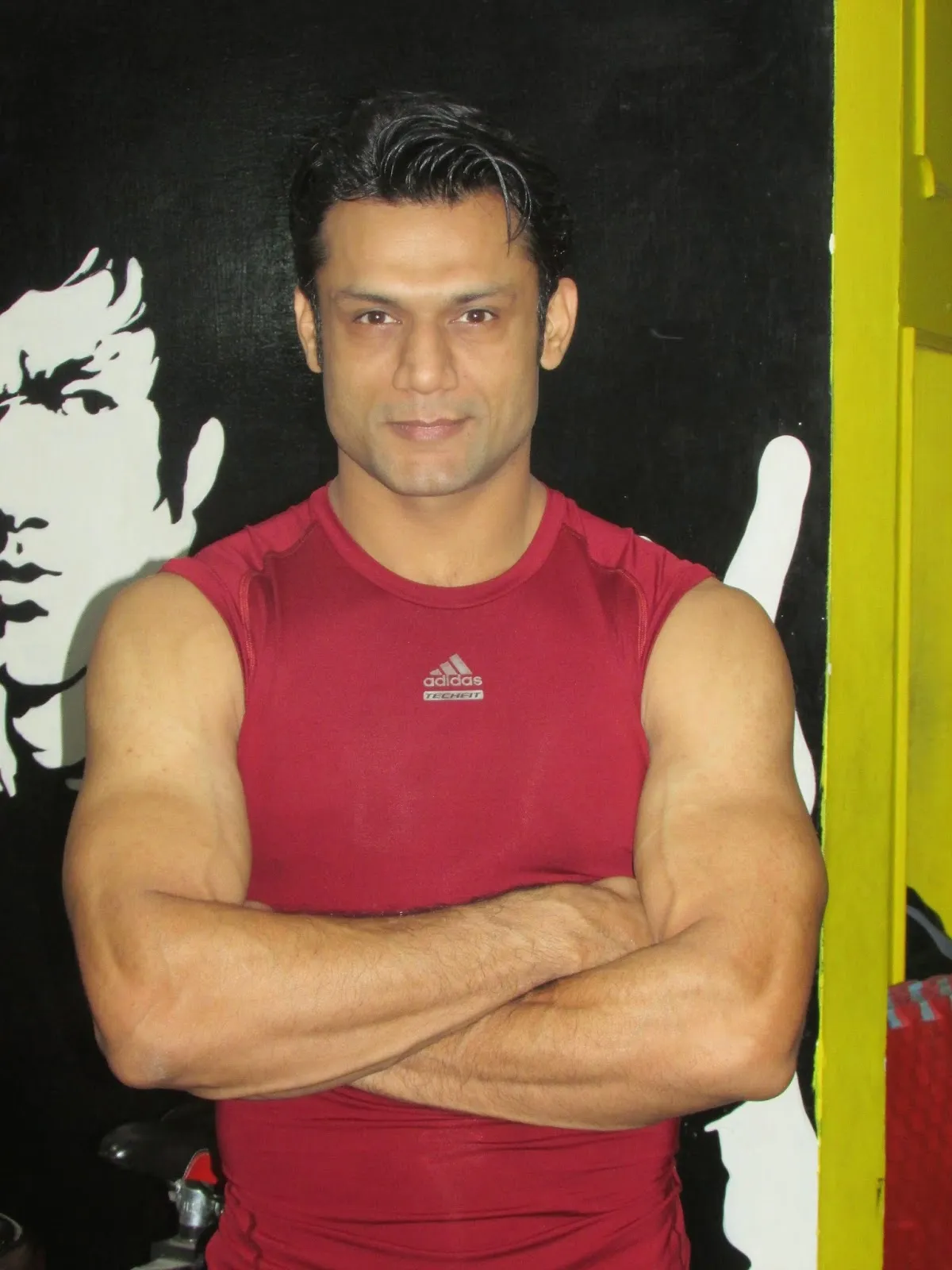

The article is written by Dr. NEERAJ MEHTA FITNESS THERAPIST Fitness / Rehab Coach versed in evaluating right biomechanics of every individual according to their fitness/physical needs
As soon as your workout begins to have an effect on you, time begins to pass after a rigorous training session. Many people are astonished to realize that the main benefits of an exercise begin to manifest themselves after the session has concluded. The thought that comes to mind is, “What about the “muscle pump” that I receive while working out?” What if I told you that the “muscle pump” you get after working out frequently vanishes the next morning?

Yes, I’m certain you did, and please allow me to explain my reasoning.
Muscle fiber injury occurs as a result of weight training, bodyweight training, functional training, high-intensity cardio, Strengthasana, and other exercises that need the participation of the muscles. The amount of harm done is directly proportional to the length of time spent working out. Damage to your muscles causes a sort of swelling known as “muscle pump” to develop as a result of the injury. When the recuperation period begins, the swelling subsides and the “pump” that had been gained disappears.
So, exactly how does one go about building muscle?
Following the session, your damaged muscles will require recuperation, which will be accomplished through the process of protein synthesis. Muscle fibers that have been damaged are rebounded and mended with the assistance of protein during this process. Muscle fibers that have recently been generated are stronger and more concentrated than those that existed previously. According to the severity of the injury, this phase of muscle recovery might take anywhere between 4 and 48 hours to complete.
GFFI Personal Trainer Certification
The sort of muscles that your body will develop as a result of protein synthesis is greatly influenced by the type of training that you perform. Muscle building can be broken down into two categories.
Hypertrophy is a phrase that refers to an increase in the size of the muscles. If you want to bulk up your muscles, your primary focus should be on increasing the volume of the muscular fibers that already exist in your body. This can be accomplished by the use of heavyweights and a few repetitions during training.
When the number of muscle fibers in the body increases, the term “hyperplasia” is used to describe the muscle definition that results. This can be performed by the use of mild to moderate weight training with a high number of repetitions.
The most frequent errors committed by gym users include the following:
MISTAKE 1: Expecting an inflated muscle gain rate
The first blunder is having excessive expectations of muscular gain. This is a sluggish process, especially when compared to fat loss. A natural can acquire a few pounds of muscle in months. But it would take only a week or two to lose the same amount of fat weight.
How Long To Gain Muscle Mass?
But how fast can you bulk up? A new 2020 study and a wider review of over 200 papers shed light on this. These studies found that participants could gain 1 to 6% muscle mass per month. Assume you have 15-inch arms now. The researchers found that 2-3 months of training would only result in a half-inch increase in arm circumference. Untrained persons may gain slightly more.
MISTAKE 2: Constantly Changing Workouts Switching up your workouts too frequently. It’s widespread since many people believe it’ll “confuse” their muscles. Also, don’t do the same thing every week. However, it takes a few weeks for your body to adapt neurologically to a new activity. And work out the most efficient route. So the first few weeks of a new fitness plan will be the most difficult, but also the most rewarding.
After the initial learning or “re-learning” phase, strength gains are attributed to an increase in muscle mass. Is it too frequent a change of routine? Forcing your body through this learning stage does nothing except force it through the activity without enabling it to properly master and enhance it.
GFFI Certified Sports Nutritionist
MISTAKE 3: Not monitoring and evaluating results
Here’s one more to add to the list. Even if progress is slow, you must assure that it is happening. Without measuring or tracking, you can’t tell if your efforts are working.
This is especially true because muscle growth is slow. Due to the simplicity of gaining fat, unnoticed weight gain might be camouflaged.
MISTAKE4: The fourth misstep is to skip the loaded stretch
It’s fine if you don’t modify your training program every time you go. Instead, you’ve stuck with them and made progress week after week. But even if you are This final misstep can interrupt your muscle growing efforts. It only takes ignoring your workout’s weighted stretch. This is often owing to the limited range of motion, especially during critical workouts.
It is also obvious that a certain sort of muscle growth occurs when tension is given to a stretched muscle. To encourage muscle growth, your target muscles must be stretched to their maximum under load after these exact exercises. This may be one reason for the motions’ growth-promoting qualities. For this reason, studies demonstrate that a full range of motion leads to more growth than a narrower range of motion and heavier weight.
Other Factors for muscle growth also counts
Many different factors have an impact on the process of protein synthesis, each of which is discussed in further detail later in this article. A comprehensive comprehension of these concepts is necessary in order to expedite the rehabilitation process.
Nutrition- After you’ve mastered the right exercise method, the next item to think about is increasing your protein consumption. We are all aware that “protein” is king in the world of exercise because protein is the primary source of energy for muscles. When the rate of protein synthesis outpaces the rate of muscle damage, your muscles expand at an accelerated rate. In order to do this, it is necessary to continue to ingest protein. It is recommended that you consume one gram of protein per pound of your body weight as a general rule of thumb. To be completely honest, you should consume a well-balanced diet in general, not simply protein in particular, to be healthy. Consuming a well-balanced combination of carbohydrates, protein and fat should be part of your diet.
Taking time to relax allows your muscles to expand when you are not working out; your muscles grow while you are taking time to rest. Protein synthesis cannot take occur unless the body receives adequate rest.
The ideal healing period is considered to be eight hours of uninterrupted sleep. It is during this period that the blood supply to the muscles would be improved, and the soreness would be alleviated.
Attempt some stretching practices to alleviate muscle tension if you are feeling particularly sore the day after your workout. Maintain movement in the joints to ensure that blood may circulate freely. Another option is to use a muscle foam roller to massage your muscles and loosen any knots that may have formed. This activity should be performed on your rest day to maintain your joints and muscles lubricated and hydrated.
Maintain hydration- When it comes to muscle healing, water ranks second only to protein in importance. I’m sure you’re aware that water accounts for approximately 80% of your muscular mass. Moreover, water is the most powerful energy booster, aside from food. It has complete control over every function in our bodies. Allowing your body to become dehydrated is quite dangerous. Hydration is essential for your body’s protein synthesis, nutrient absorption, and recovery time after exercise.
https://www.spartan.com/blogs/unbreakable-nutrition/grow-muscle
https://www.menshealth.com/fitness/a19534499/10-muscle-building-tips/
https://www.cnet.com/health/fitness/how-to-build-muscle-faster/
https://www.wikihow.com/Gain-Muscle-Fast
https://www.independent.co.uk/life-style/health-and-families/how-to-gain-muscle-fast-b1912682.html
https://www.betterhealth.vic.gov.au/health/healthyliving/weight-and-muscle-gain
https://www.fitnesssolutionsplus.ca/blog/oren-russian-bear-program/
https://www.gqindia.com/content/how-to-build-muscle
How Fast Can I Build Muscle Naturally? A Step-By-Step Guide to Building Muscle Quickly
यह लेख डॉ. नीरज मेहता, PhD, फ़िटनेस थेरेपिस्ट, द्वारा लिखा गया है—फ़िटनेस / पुनर्वास कोच, जो प्रत्येक व्यक्ति की फ़िटनेस/शारीरिक आवश्यकताओं के अनुसार उसकी सही बायोमैकेनिक्स के मूल्यांकन में पारंगत हैं
जैसे ही आपका व्यायाम आप पर प्रभाव डालना आरंभ करता है, कठोर प्रशिक्षण सत्र के बाद समय बीतना आरंभ होता है। अनेक लोग यह जानकर चकित होते हैं कि व्यायाम के मुख्य लाभ सत्र समाप्त होने के बाद प्रकट होने लगते हैं। मन में यह विचार आता है, “व्यायाम करते समय मुझे जो ‘मसल पंप’ (muscle pump) मिलता है, उसका क्या?” यदि मैं आपसे कहूँ कि व्यायाम के बाद आपको मिलने वाला “मसल पंप” प्रायः अगली सुबह तक लुप्त हो जाता है, तो?
हाँ, मुझे विश्वास है कि आपने ऐसा अनुभव किया होगा, और कृपया मुझे अपना तर्क स्पष्ट करने दें।
भार-प्रशिक्षण, बॉडीवेट प्रशिक्षण, फ़ंक्शनल प्रशिक्षण, उच्च-तीव्रता कार्डियो, Strengthasana तथा मांसपेशियों की सहभागिता वाले अन्य व्यायामों के परिणामस्वरूप मांसपेशी-तंतुओं (muscle fibers) में क्षति होती है। क्षति की मात्रा व्यायाम में व्यतीत समय की अवधि के समानुपाती होती है। मांसपेशियों की क्षति के परिणामस्वरूप एक प्रकार की सूजन विकसित होती है, जिसे “मसल पंप” कहा जाता है। जब पुनर्प्राप्ति (recuperation) की अवधि आरंभ होती है, तो सूजन घट जाती है और प्राप्त हुआ “पंप” लुप्त हो जाता है।
तो, वास्तव में मांसपेशी का निर्माण कैसे होता है?
सत्र के बाद आपकी क्षतिग्रस्त मांसपेशियों को पुनर्प्राप्ति की आवश्यकता होगी, जो प्रोटीन संश्लेषण (protein synthesis) की प्रक्रिया द्वारा पूर्ण होगी। इस प्रक्रिया के दौरान क्षतिग्रस्त मांसपेशी-तंतुओं का प्रोटीन की सहायता से पुनर्गठन और मरम्मत होती है। नवनिर्मित मांसपेशी-तंतु पहले से विद्यमान तंतुओं की तुलना में अधिक सशक्त और सघन होते हैं। क्षति की गंभीरता के अनुसार, मांसपेशी-पुनर्प्राप्ति का यह चरण पूर्ण होने में 4 से 48 घंटे तक का समय ले सकता है।
GFFI पर्सनल ट्रेनर प्रमाणन
प्रोटीन संश्लेषण के परिणामस्वरूप आपका शरीर किस प्रकार की मांसपेशियाँ विकसित करेगा, यह आपके द्वारा किए जाने वाले प्रशिक्षण के प्रकार से अत्यधिक प्रभावित होता है। मांसपेशी-निर्माण को दो श्रेणियों में विभाजित किया जा सकता है।
हाइपरट्रॉफ़ी (hypertrophy) वह शब्द है जो मांसपेशियों के आकार में वृद्धि को दर्शाता है। यदि आप अपनी मांसपेशियों का आयतन बढ़ाना चाहते हैं, तो आपका प्राथमिक ध्यान आपके शरीर में पहले से विद्यमान मांसपेशी-तंतुओं के आयतन को बढ़ाने पर होना चाहिए। यह प्रशिक्षण के दौरान भारी भार और कम पुनरावृत्तियों (repetitions) के उपयोग से प्राप्त किया जा सकता है।
जब शरीर में मांसपेशी-तंतुओं की संख्या बढ़ती है, तो उससे उत्पन्न मांसपेशीय सुस्पष्टता (muscle definition) का वर्णन करने के लिए “हाइपरप्लेज़िया” (hyperplasia) शब्द का उपयोग किया जाता है। यह अधिक पुनरावृत्तियों के साथ हल्के से मध्यम भार-प्रशिक्षण द्वारा किया जा सकता है।
जिम उपयोगकर्ताओं द्वारा की जाने वाली सबसे सामान्य त्रुटियाँ निम्नलिखित हैं:
त्रुटि 1: मांसपेशी-वृद्धि की अतिरंजित दर की अपेक्षा करना
पहली भूल मांसपेशीय वृद्धि से अत्यधिक अपेक्षाएँ रखना है। यह एक धीमी प्रक्रिया है, विशेषकर वसा-ह्रास की तुलना में। प्राकृतिक (natural) प्रशिक्षु महीनों में कुछ पाउंड मांसपेशी प्राप्त कर सकता है। परंतु उतना ही वसा-भार घटाने में केवल एक या दो सप्ताह लगेंगे।
मांसपेशी-द्रव्यमान बढ़ाने में कितना समय लगता है?
परंतु आप कितनी तेज़ी से आकार बढ़ा सकते हैं? 2020 का एक नया अध्ययन और 200 से अधिक शोधपत्रों की एक व्यापक समीक्षा इस पर प्रकाश डालते हैं। इन अध्ययनों में पाया गया कि प्रतिभागी प्रति माह 1 से 6% मांसपेशी-द्रव्यमान प्राप्त कर सकते थे। मान लीजिए अभी आपकी भुजाएँ 15 इंच की हैं। शोधकर्ताओं ने पाया कि 2-3 महीने के प्रशिक्षण से भुजा की परिधि में केवल आधे इंच की वृद्धि होगी। अप्रशिक्षित व्यक्ति थोड़ी अधिक वृद्धि प्राप्त कर सकते हैं।
त्रुटि 2: व्यायाम-दिनचर्या में निरंतर परिवर्तन अपने व्यायामों को बहुत बार बदलना। यह व्यापक है, क्योंकि अनेक लोग मानते हैं कि इससे उनकी मांसपेशियाँ “भ्रमित” होंगी। साथ ही, हर सप्ताह एक ही चीज़ भी न करें। फिर भी, किसी नई गतिविधि के प्रति तंत्रिकीय (neurological) अनुकूलन में आपके शरीर को कुछ सप्ताह लगते हैं, और सबसे कुशल मार्ग विकसित करने में भी। इसलिए किसी नई फ़िटनेस योजना के पहले कुछ सप्ताह सबसे कठिन होंगे, परंतु सबसे अधिक लाभदायक भी।
आरंभिक अधिगम या “पुनः-अधिगम” चरण के बाद शक्ति में वृद्धि का श्रेय मांसपेशी-द्रव्यमान में वृद्धि को दिया जाता है। क्या दिनचर्या में परिवर्तन बहुत बार हो रहा है? अपने शरीर को बार-बार इस अधिगम चरण से गुज़ारने से कुछ नहीं होता, सिवाय इसके कि शरीर गतिविधि में दक्षता प्राप्त किए और उसे सुधारे बिना ही उससे गुज़रता रहता है।
GFFI प्रमाणित स्पोर्ट्स न्यूट्रिशनिस्ट
त्रुटि 3: परिणामों की निगरानी और मूल्यांकन न करना
सूची में एक और त्रुटि जोड़ें। प्रगति धीमी हो तब भी आपको यह सुनिश्चित करना होगा कि वह हो रही है। मापन या ट्रैकिंग के बिना आप यह नहीं जान सकते कि आपके प्रयास कारगर हैं या नहीं।
यह विशेष रूप से इसलिए सत्य है क्योंकि मांसपेशी-वृद्धि धीमी होती है। वसा बढ़ने की सरलता के कारण अनदेखी वज़न-वृद्धि छिपी रह सकती है।
त्रुटि 4: चौथी भूल भारयुक्त खिंचाव (loaded stretch) को छोड़ देना है
यदि आप हर बार जाने पर अपना प्रशिक्षण कार्यक्रम नहीं बदलते, तो यह ठीक है। इसके स्थान पर आप उस पर टिके रहे हैं और सप्ताह-दर-सप्ताह प्रगति की है। परंतु ऐसा होने पर भी यह अंतिम भूल आपके मांसपेशी-निर्माण के प्रयासों को बाधित कर सकती है। इसके लिए केवल अपने व्यायाम के भारयुक्त खिंचाव की उपेक्षा करना पर्याप्त है। ऐसा प्रायः गति के सीमित परास के कारण होता है, विशेषकर महत्त्वपूर्ण व्यायामों के दौरान।
यह भी स्पष्ट है कि जब खिंची हुई मांसपेशी पर तनाव (tension) दिया जाता है, तो एक विशेष प्रकार की मांसपेशी-वृद्धि होती है। मांसपेशी-वृद्धि को प्रोत्साहित करने के लिए इन्हीं व्यायामों के दौरान आपकी लक्षित मांसपेशियों को भार के अधीन अधिकतम सीमा तक खिंचना चाहिए। यह इन गतियों के वृद्धि-प्रोत्साहक गुणों का एक कारण हो सकता है। इसी कारण अध्ययन दर्शाते हैं कि गति का पूर्ण परास, संकीर्ण परास और भारी भार की तुलना में अधिक वृद्धि की ओर ले जाता है।
मांसपेशी-वृद्धि के अन्य कारक भी महत्त्व रखते हैं
प्रोटीन संश्लेषण की प्रक्रिया पर अनेक भिन्न कारकों का प्रभाव पड़ता है, जिनमें से प्रत्येक पर इस लेख में आगे विस्तार से चर्चा की गई है। पुनर्प्राप्ति की प्रक्रिया को तीव्र करने के लिए इन अवधारणाओं की व्यापक समझ आवश्यक है।
पोषण - सही व्यायाम-विधि में दक्षता प्राप्त करने के बाद विचार करने योग्य अगला विषय अपने प्रोटीन-सेवन को बढ़ाना है। हम सभी जानते हैं कि व्यायाम की दुनिया में “प्रोटीन” राजा है, क्योंकि प्रोटीन मांसपेशियों के लिए ऊर्जा का प्राथमिक स्रोत है। जब प्रोटीन संश्लेषण की दर मांसपेशी-क्षति की दर से आगे निकल जाती है, तो आपकी मांसपेशियाँ त्वरित दर से बढ़ती हैं। इसके लिए प्रोटीन का सेवन निरंतर जारी रखना आवश्यक है। सामान्य नियम के रूप में शरीर के प्रत्येक पाउंड भार के लिए एक ग्राम प्रोटीन का सेवन करने की अनुशंसा की जाती है। पूर्णतः स्पष्ट कहें तो, स्वस्थ रहने के लिए आपको केवल प्रोटीन ही नहीं, बल्कि सामान्य रूप से सुसंतुलित आहार लेना चाहिए। कार्बोहाइड्रेट, प्रोटीन और वसा का सुसंतुलित संयोजन आपके आहार का अंग होना चाहिए।
विश्राम के लिए समय निकालने से व्यायाम न करते समय आपकी मांसपेशियाँ बढ़ पाती हैं; आपकी मांसपेशियाँ तब बढ़ती हैं जब आप विश्राम कर रहे होते हैं। शरीर को पर्याप्त विश्राम मिले बिना प्रोटीन संश्लेषण नहीं हो सकता।
आठ घंटे की निर्बाध नींद को आदर्श पुनर्प्राप्ति-अवधि माना जाता है। इसी अवधि में मांसपेशियों तक रक्त-आपूर्ति बेहतर होती है और पीड़ा (soreness) कम होती है।
यदि व्यायाम के अगले दिन आपको विशेष रूप से पीड़ा हो रही हो, तो मांसपेशीय तनाव को कम करने के लिए कुछ स्ट्रेचिंग अभ्यास आज़माएँ। जोड़ों में गति बनाए रखें, ताकि रक्त मुक्त रूप से संचरित हो सके। एक अन्य विकल्प है मसल फ़ोम रोलर से अपनी मांसपेशियों की मालिश करना और बनी हुई गाँठों को ढीला करना। जोड़ों और मांसपेशियों को स्नेहित (lubricated) और जलयोजित बनाए रखने के लिए यह गतिविधि आपके विश्राम-दिवस पर की जानी चाहिए।
जलयोजन बनाए रखें - मांसपेशियों की पुनर्प्राप्ति में महत्त्व की दृष्टि से जल केवल प्रोटीन के बाद दूसरे स्थान पर है। मुझे विश्वास है कि आप जानते हैं कि आपके मांसपेशी-द्रव्यमान का लगभग 80% जल होता है। इसके अतिरिक्त, भोजन के अलावा जल सबसे शक्तिशाली ऊर्जा-वर्धक है। हमारे शरीर के प्रत्येक कार्य पर इसका पूर्ण नियंत्रण है। अपने शरीर को निर्जलित (dehydrated) होने देना अत्यंत ख़तरनाक है। आपके शरीर के प्रोटीन संश्लेषण, पोषक-तत्वों के अवशोषण और व्यायाम के बाद पुनर्प्राप्ति-समय के लिए जलयोजन आवश्यक है।
https://www.spartan.com/blogs/unbreakable-nutrition/grow-muscle
https://www.menshealth.com/fitness/a19534499/10-muscle-building-tips/
https://www.cnet.com/health/fitness/how-to-build-muscle-faster/
https://www.wikihow.com/Gain-Muscle-Fast
https://www.independent.co.uk/life-style/health-and-families/how-to-gain-muscle-fast-b1912682.html
https://www.betterhealth.vic.gov.au/health/healthyliving/weight-and-muscle-gain
https://www.fitnesssolutionsplus.ca/blog/oren-russian-bear-program/
https://www.gqindia.com/content/how-to-build-muscle
How Fast Can I Build Muscle Naturally? A Step-By-Step Guide to Building Muscle Quickly
Artículo escrito por el Dr. Neeraj Mehta, PhD, TERAPEUTA DEL FITNESS. Entrenador de fitness y rehabilitación experto en evaluar la biomecánica correcta de cada persona según sus necesidades físicas y de forma física
En cuanto el entrenamiento empieza a surtir efecto, el tiempo comienza a correr tras una sesión de entrenamiento exigente. A muchas personas les sorprende descubrir que los principales beneficios de un ejercicio comienzan a manifestarse una vez concluida la sesión. La pregunta que surge es: «¿Y qué hay de la “congestión muscular” (muscle pump) que siento mientras entreno?». ¿Y si le dijera que la «congestión muscular» que obtiene tras entrenar suele desaparecer a la mañana siguiente?
Sí, estoy seguro de que lo ha comprobado; permítame explicar mi razonamiento.
La lesión de las fibras musculares se produce como resultado del entrenamiento con pesas, el entrenamiento con el propio peso corporal, el entrenamiento funcional, el cardio de alta intensidad, la Strengthasana y otros ejercicios que requieren la participación de los músculos. La magnitud del daño es directamente proporcional al tiempo dedicado al entrenamiento. El daño muscular provoca una especie de inflamación, conocida como «congestión muscular», que se desarrolla como consecuencia de la lesión. Cuando comienza el periodo de recuperación, la inflamación remite y la «congestión» obtenida desaparece.
Entonces, ¿cómo se desarrolla exactamente el músculo?
Tras la sesión, los músculos dañados necesitarán recuperarse, lo que se logrará mediante el proceso de síntesis de proteínas. Durante este proceso, las fibras musculares dañadas se reconstruyen y reparan con la ayuda de las proteínas. Las fibras musculares recién generadas son más fuertes y densas que las que existían anteriormente. Según la gravedad de la lesión, esta fase de recuperación muscular puede tardar entre 4 y 48 horas en completarse.
Certificación de Entrenador Personal de GFFI
El tipo de músculo que desarrollará su cuerpo como resultado de la síntesis de proteínas depende en gran medida del tipo de entrenamiento que realice. El desarrollo muscular puede dividirse en dos categorías.
La hipertrofia es un término que designa el aumento del tamaño de los músculos. Si desea aumentar su volumen muscular, su objetivo principal debe ser incrementar el volumen de las fibras musculares que ya existen en su cuerpo. Esto puede lograrse entrenando con cargas elevadas y pocas repeticiones.
Cuando aumenta el número de fibras musculares del cuerpo, se emplea el término «hiperplasia» para describir la definición muscular resultante. Esto puede lograrse mediante un entrenamiento con pesas de carga ligera a moderada y un elevado número de repeticiones.
Los errores más frecuentes que cometen los usuarios de gimnasio son los siguientes:
ERROR 1: Esperar una tasa de ganancia muscular exagerada
El primer error es tener expectativas excesivas de ganancia muscular. Se trata de un proceso lento, sobre todo en comparación con la pérdida de grasa. Una persona que entrena sin ayudas farmacológicas puede ganar unas pocas libras de músculo en varios meses. En cambio, bastaría una o dos semanas para perder la misma cantidad de peso en grasa.
¿Cuánto tiempo se tarda en ganar masa muscular?
Pero ¿con qué rapidez puede aumentar su volumen? Un nuevo estudio de 2020 y una revisión más amplia de más de 200 artículos arrojan luz sobre esta cuestión. Estos estudios observaron que los participantes podían ganar entre un 1 y un 6% de masa muscular al mes. Suponga que actualmente tiene unos brazos de 15 pulgadas. Los investigadores comprobaron que 2-3 meses de entrenamiento solo producirían un aumento de media pulgada en el perímetro del brazo. Las personas no entrenadas pueden ganar algo más.
ERROR 2: Cambiar constantemente de entrenamiento Variar los entrenamientos con demasiada frecuencia es un error muy extendido, ya que muchas personas creen que así «confundirán» a sus músculos. Tampoco conviene hacer exactamente lo mismo cada semana. Sin embargo, el cuerpo necesita unas semanas para adaptarse neurológicamente a una actividad nueva y encontrar la forma más eficiente de ejecutarla. Por eso, las primeras semanas de un nuevo plan de entrenamiento serán las más difíciles, pero también las más gratificantes.
Tras la fase inicial de aprendizaje o «reaprendizaje», las ganancias de fuerza se atribuyen a un aumento de la masa muscular. ¿Cambia de rutina con demasiada frecuencia? Obligar al cuerpo a pasar una y otra vez por esta fase de aprendizaje no hace más que forzarlo a realizar la actividad sin permitirle dominarla y perfeccionarla adecuadamente.
Nutricionista Deportivo Certificado por GFFI
ERROR 3: No controlar ni evaluar los resultados
He aquí uno más para añadir a la lista. Aunque el progreso sea lento, debe asegurarse de que se está produciendo. Sin medir ni registrar, no podrá saber si sus esfuerzos están dando resultado.
Esto es especialmente cierto porque el crecimiento muscular es lento. Debido a la facilidad con la que se gana grasa, un aumento de peso inadvertido puede quedar enmascarado.
ERROR 4: El cuarto error es omitir el estiramiento bajo carga
Está bien que no modifique su programa de entrenamiento cada vez que acude al gimnasio. Al contrario, lo ha mantenido y ha progresado semana tras semana. Pero, aun así, este último error puede interrumpir sus esfuerzos por desarrollar músculo. Basta con descuidar el estiramiento bajo carga de su entrenamiento. Esto suele deberse a una amplitud de movimiento limitada, sobre todo en los ejercicios fundamentales.
También es evidente que se produce un tipo particular de crecimiento muscular cuando se aplica tensión a un músculo estirado. Para favorecer el crecimiento muscular, los músculos objetivo deben estirarse al máximo bajo carga en estos ejercicios concretos. Esta puede ser una de las razones de las cualidades de estos movimientos para promover el crecimiento. Por este motivo, los estudios demuestran que una amplitud de movimiento completa produce un mayor crecimiento que una amplitud reducida con una carga más elevada.
Otros factores que también influyen en el crecimiento muscular
Numerosos factores influyen en el proceso de síntesis de proteínas; cada uno de ellos se analiza con más detalle más adelante en este artículo. Es necesaria una comprensión integral de estos conceptos para acelerar el proceso de recuperación.
Nutrición: una vez dominado el método de ejercicio adecuado, el siguiente aspecto a considerar es aumentar el consumo de proteínas. Todos sabemos que las «proteínas» son fundamentales en el mundo del ejercicio, ya que constituyen el principal sustrato para los músculos. Cuando la tasa de síntesis de proteínas supera la tasa de daño muscular, los músculos crecen a un ritmo acelerado. Para ello, es necesario mantener una ingesta continuada de proteínas. Como norma general, se recomienda consumir un gramo de proteína por libra de peso corporal. Con toda franqueza, para estar sano debe seguir una dieta equilibrada en general, no centrarse únicamente en las proteínas. Su dieta debe incluir una combinación equilibrada de hidratos de carbono, proteínas y grasas.
Dedicar tiempo al descanso permite que los músculos crezcan cuando no está entrenando; los músculos crecen mientras usted descansa. La síntesis de proteínas no puede producirse a menos que el cuerpo reciba un descanso adecuado.
Se considera que el periodo de recuperación ideal es de ocho horas de sueño ininterrumpido. Es durante este periodo cuando mejora el aporte sanguíneo a los músculos y se alivian las agujetas.
Si se siente especialmente dolorido el día después del entrenamiento, pruebe algunas prácticas de estiramiento para aliviar la tensión muscular. Mantenga las articulaciones en movimiento para garantizar que la sangre circule libremente. Otra opción es utilizar un rodillo de espuma para masajear los músculos y liberar los nudos que puedan haberse formado. Esta actividad debe realizarse en el día de descanso para mantener las articulaciones y los músculos lubricados e hidratados.
Mantenga la hidratación: en lo que respecta a la recuperación muscular, el agua ocupa el segundo lugar en importancia, solo por detrás de las proteínas. Seguramente sabe que el agua representa aproximadamente el 80% de la masa muscular. Además, el agua es, después de los alimentos, el estimulante energético más potente. Interviene en todas las funciones del organismo. Permitir que el cuerpo se deshidrate es bastante peligroso. La hidratación es esencial para la síntesis de proteínas, la absorción de nutrientes y el tiempo de recuperación tras el ejercicio.
https://www.spartan.com/blogs/unbreakable-nutrition/grow-muscle
https://www.menshealth.com/fitness/a19534499/10-muscle-building-tips/
https://www.cnet.com/health/fitness/how-to-build-muscle-faster/
https://www.wikihow.com/Gain-Muscle-Fast
https://www.independent.co.uk/life-style/health-and-families/how-to-gain-muscle-fast-b1912682.html
https://www.betterhealth.vic.gov.au/health/healthyliving/weight-and-muscle-gain
https://www.fitnesssolutionsplus.ca/blog/oren-russian-bear-program/
https://www.gqindia.com/content/how-to-build-muscle
¿Con qué rapidez puedo desarrollar músculo de forma natural? Guía paso a paso para desarrollar músculo con rapidez
كتب هذا المقال د. نيراج ميهتا، PhD، معالج اللياقة البدنية، ومدرب اللياقة وإعادة التأهيل المتمرّس في تقييم الميكانيكا الحيوية الصحيحة لكل فرد وفق احتياجاته البدنية واحتياجات لياقته
ما إن يبدأ تمرينك في إحداث أثره فيك، حتى يبدأ الوقت في المضيّ بعد جلسة تدريب شاقة. ويُدهش كثير من الناس حين يدركون أن الفوائد الرئيسية للتمرين تبدأ في الظهور بعد انتهاء الجلسة. والفكرة التي تتبادر إلى الذهن هي: «وماذا عن «الانتفاخ العضلي» (muscle pump) الذي أحصل عليه في أثناء التمرين؟» ماذا لو قلت لك إن «الانتفاخ العضلي» الذي تحصل عليه بعد التمرين كثيرًا ما يختفي في صباح اليوم التالي؟
نعم، أنا متأكد من أنك لاحظت ذلك، فاسمح لي أن أشرح منطقي.
تحدث إصابة الألياف العضلية نتيجة لتدريب الأثقال، وتدريب وزن الجسم، والتدريب الوظيفي، والكارديو عالي الشدة، وStrengthasana، وغيرها من التمارين التي تتطلب مشاركة العضلات. ويتناسب مقدار الضرر الحاصل تناسبًا طرديًا مع المدة المستغرقة في التمرين. ويؤدي الضرر الذي يلحق بعضلاتك إلى نوع من التورّم يُعرف بـ«الانتفاخ العضلي» نتيجةً لهذه الإصابة. وعندما تبدأ فترة التعافي، يهدأ التورّم ويختفي «الانتفاخ» الذي اكتُسب.
إذن، كيف تُبنى العضلات تحديدًا؟
بعد الجلسة، تحتاج عضلاتك المتضررة إلى التعافي، وهو ما يتحقق عبر عملية تخليق البروتين (protein synthesis). ففي أثناء هذه العملية تُرمَّم الألياف العضلية المتضررة وتُصلَح بمساعدة البروتين. وتكون الألياف العضلية المتكوّنة حديثًا أقوى وأكثر تركيزًا من تلك التي كانت موجودة من قبل. وتبعًا لشدة الإصابة، قد تستغرق هذه المرحلة من التعافي العضلي ما بين 4 و48 ساعة حتى تكتمل.
شهادة GFFI للمدرب الشخصي
يتأثر نوع العضلات التي سيُطوّرها جسمك نتيجة تخليق البروتين تأثرًا كبيرًا بنوع التدريب الذي تمارسه. ويمكن تقسيم بناء العضلات إلى فئتين.
التضخّم (Hypertrophy) مصطلح يشير إلى زيادة حجم العضلات. فإذا أردت زيادة ضخامة عضلاتك، فينبغي أن ينصبّ تركيزك الأساسي على زيادة حجم الألياف العضلية الموجودة أصلًا في جسمك. ويمكن تحقيق ذلك باستخدام أوزان ثقيلة وعدد قليل من التكرارات في التدريب.
وعندما يزداد عدد الألياف العضلية في الجسم، يُستخدم مصطلح «فرط التنسّج» (hyperplasia) لوصف التحديد العضلي الناتج. ويمكن تحقيق ذلك بتدريب أثقال خفيف إلى متوسط مع عدد كبير من التكرارات.
من أكثر الأخطاء التي يرتكبها مرتادو الصالات الرياضية شيوعًا ما يلي:
الخطأ 1: توقّع معدل مبالغ فيه لاكتساب العضلات
الخطأ الأول هو الإفراط في توقعات اكتساب العضلات. فهذه عملية بطيئة، ولا سيما مقارنة بخسارة الدهون. إذ يستطيع الرياضي الطبيعي (غير المستخدم للمنشّطات) اكتساب بضعة أرطال من العضلات في غضون أشهر، في حين لا يستغرق فقدان المقدار نفسه من وزن الدهون سوى أسبوع أو أسبوعين.
كم يستغرق اكتساب الكتلة العضلية؟
ولكن ما السرعة التي يمكنك بها زيادة ضخامتك؟ تُلقي دراسة جديدة صدرت عام 2020 ومراجعة أوسع لأكثر من 200 ورقة بحثية الضوء على هذا الأمر. فقد وجدت هذه الدراسات أن المشاركين استطاعوا اكتساب ما بين 1 و6% من الكتلة العضلية شهريًا. لنفترض أن محيط ذراعيك الآن 15 بوصة؛ فقد وجد الباحثون أن 2–3 أشهر من التدريب لن تؤدي إلا إلى زيادة قدرها نصف بوصة في محيط الذراع. وقد يكتسب غير المتدربين قدرًا أكبر قليلًا.
الخطأ 2: التغيير المستمر للتمارين تغيير برامج تمارينك بوتيرة مفرطة. وهو خطأ شائع لأن كثيرًا من الناس يعتقدون أنه سـ«يُربك» عضلاتهم. وكذلك لا تكرّر الشيء نفسه كل أسبوع. غير أن جسمك يحتاج إلى بضعة أسابيع ليتكيّف عصبيًا مع نشاط جديد، وليهتدي إلى المسار الأكثر كفاءة. ولذلك ستكون الأسابيع الأولى من أي خطة لياقة جديدة هي الأصعب، لكنها أيضًا الأكثر مردودًا.
وبعد مرحلة التعلّم الأولي أو «إعادة التعلّم»، تُعزى مكاسب القوة إلى زيادة الكتلة العضلية. فهل تغيّر روتينك بوتيرة مفرطة؟ إن إجبار جسمك على المرور بمرحلة التعلّم هذه مرارًا لا يفعل شيئًا سوى دفعه إلى أداء النشاط دون تمكينه من إتقانه وتحسينه على النحو الصحيح.
اختصاصي تغذية رياضية معتمد من GFFI
الخطأ 3: عدم رصد النتائج وتقييمها
وإليك خطأً آخر يُضاف إلى القائمة. فحتى لو كان التقدّم بطيئًا، يجب أن تتأكد من أنه يحدث فعلًا. ومن دون قياس أو تتبّع، لا يمكنك معرفة ما إذا كانت جهودك تؤتي ثمارها.
ويصدق هذا بوجه خاص لأن نمو العضلات بطيء. ونظرًا لسهولة اكتساب الدهون، قد تتخفّى زيادة الوزن دون أن تُلاحَظ.
الخطأ 4: الخطأ الرابع هو إهمال الإطالة تحت الحمل
لا بأس إن لم تُعدّل برنامجك التدريبي في كل مرة تذهب فيها إلى الصالة. بل التزمت به وحققت تقدّمًا أسبوعًا بعد أسبوع. ولكن حتى لو كنت كذلك، فإن هذا الخطأ الأخير قد يُعطّل جهودك في بناء العضلات. ولا يتطلب الأمر سوى تجاهل الإطالة تحت الحمل في تمرينك. ويعود ذلك غالبًا إلى محدودية مدى الحركة، ولا سيما في التمارين الأساسية.
ومن الواضح أيضًا أن نوعًا معينًا من النمو العضلي يحدث عند تطبيق الشدّ على عضلة في حالة إطالة. ولتحفيز نمو العضلات، يجب أن تُطال العضلات المستهدفة إلى أقصى حد تحت الحمل في هذه التمارين تحديدًا. وقد يكون ذلك أحد أسباب الخصائص المحفّزة للنمو في هذه الحركات. ولهذا السبب تُبيّن الدراسات أن مدى الحركة الكامل يؤدي إلى نمو أكبر مما يحققه مدى حركة أضيق مع وزن أثقل.
عوامل أخرى مؤثرة في نمو العضلات
تؤثر عوامل كثيرة ومتنوعة في عملية تخليق البروتين، ونتناول كلًّا منها بمزيد من التفصيل لاحقًا في هذا المقال. والفهم الشامل لهذه المفاهيم ضروري لتسريع عملية التعافي.
التغذية: بعد أن تتقن طريقة التمرين الصحيحة، فإن الأمر التالي الذي ينبغي التفكير فيه هو زيادة استهلاكك للبروتين. فنحن جميعًا ندرك أن «البروتين» هو سيد عالم التمرين، لأنه المصدر الأساسي لطاقة العضلات. وعندما يتجاوز معدل تخليق البروتين معدل الضرر العضلي، تنمو عضلاتك بوتيرة متسارعة. ولتحقيق ذلك، لا بد من مواصلة تناول البروتين. ويُوصى، كقاعدة عامة، بتناول غرام واحد من البروتين لكل رطل من وزن الجسم. وللأمانة التامة، ينبغي أن تتناول نظامًا غذائيًا متوازنًا بوجه عام، لا البروتين وحده، كي تتمتع بالصحة. فينبغي أن يتضمن نظامك الغذائي مزيجًا متوازنًا من الكربوهيدرات والبروتين والدهون.
إن تخصيص وقت للاسترخاء يتيح لعضلاتك أن تنمو حين لا تتمرن؛ فعضلاتك تنمو في أثناء فترات الراحة. ولا يمكن أن يحدث تخليق البروتين ما لم يحصل الجسم على قسط كافٍ من الراحة.
وتُعدّ ثماني ساعات من النوم المتواصل فترة التعافي المثالية. ففي هذه الفترة يتحسّن تدفق الدم إلى العضلات ويخفّ الألم.
وجرّب بعض تمارين الإطالة لتخفيف التوتر العضلي إذا شعرت بألم شديد في اليوم التالي للتمرين. وحافظ على حركة المفاصل لضمان تدفق الدم بحرية. ومن الخيارات الأخرى استخدام أسطوانة الفوم العضلية لتدليك عضلاتك وفكّ أي عُقد قد تكون تكوّنت. وينبغي أداء هذا النشاط في يوم راحتك للحفاظ على مفاصلك وعضلاتك مرنة ورطبة.
الحفاظ على الترطيب: فيما يخص التئام العضلات، يحتل الماء المرتبة الثانية في الأهمية بعد البروتين مباشرة. ولا شك أنك تعلم أن الماء يُشكّل نحو 80% من كتلتك العضلية. كما أن الماء، بعد الطعام، هو أقوى معزّز للطاقة، وله تحكّم كامل في كل وظيفة من وظائف أجسامنا. والسماح لجسمك بالتعرّض للجفاف أمر بالغ الخطورة. فالترطيب ضروري لتخليق البروتين في جسمك، ولامتصاص المغذيات، ولزمن التعافي بعد التمرين.
https://www.spartan.com/blogs/unbreakable-nutrition/grow-muscle
https://www.menshealth.com/fitness/a19534499/10-muscle-building-tips/
https://www.cnet.com/health/fitness/how-to-build-muscle-faster/
https://www.wikihow.com/Gain-Muscle-Fast
https://www.independent.co.uk/life-style/health-and-families/how-to-gain-muscle-fast-b1912682.html
https://www.betterhealth.vic.gov.au/health/healthyliving/weight-and-muscle-gain
https://www.fitnesssolutionsplus.ca/blog/oren-russian-bear-program/
https://www.gqindia.com/content/how-to-build-muscle
ما السرعة التي يمكنني بها بناء العضلات طبيعيًا؟ دليل خطوة بخطوة لبناء العضلات بسرعة