
By Dr. Neeraj Mehta
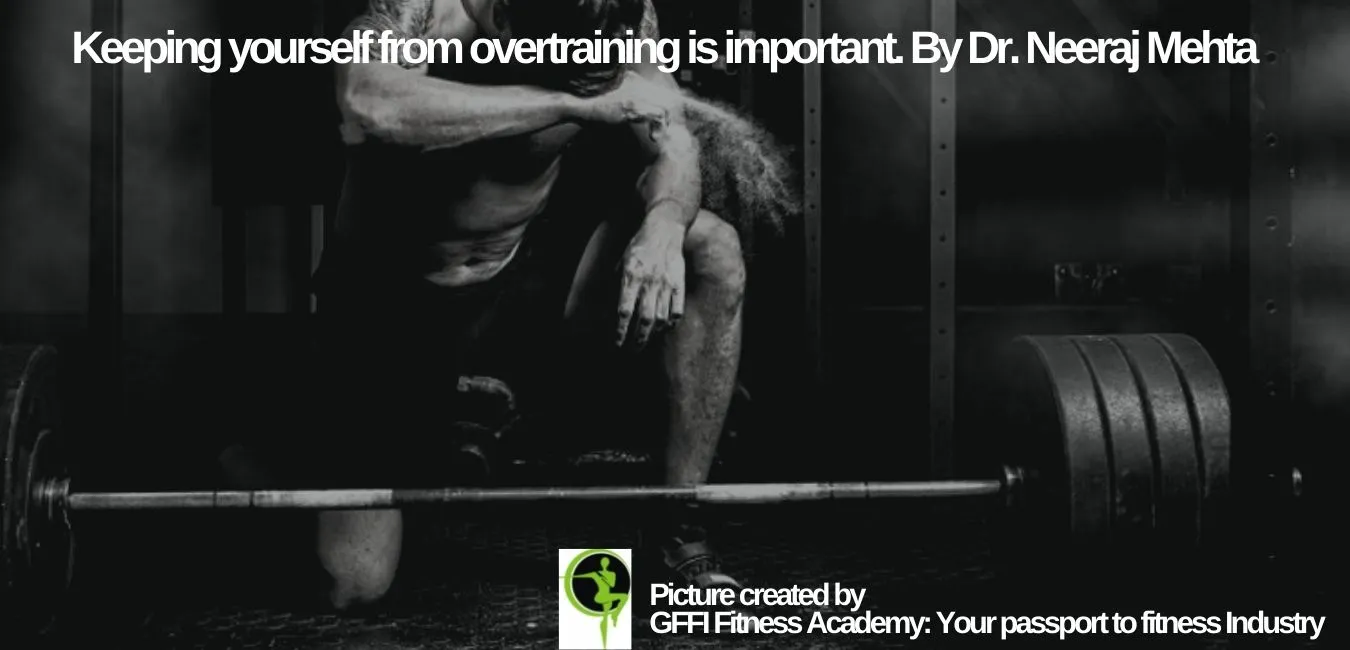
Exercisers or athletes who overtrain or get stale are those who continue to train despite symptoms such as fatigue or soreness in their muscles. Many exercisers think that their lack of strength or bad performance indicates that they should put in more effort. As a result, they continue to press on. As a result, the body begins to deteriorate even more.
Overtraining is one of the most common errors that trainers and coaches make in their work. In recent years, many people, including myself, have come to realize that having more does not necessarily equate to being happier. Unfortunately, many individuals believe that if a little amount of anything works, then more of it will provide even greater outcomes. This often leads to us going to extremes.
Individuals must also get familiar with the idea of intensification. The act of pushing oneself to exhaustion demands a significant investment of energy and attention. In reality, both the mental and physical aspects of this intensity are present and functioning well. To put it another way, when someone initially starts working out, they may only be working out at 70% of their maximum capacity. However, as their self-assurance develops, they will be able to increase their percentage to 90 percent. This will aid in the strengthening of their muscles as well as the installation of a feeling of well-being in them.
“The greatest therapy [for overtraining] is prevention,” according to research published in the Journal of Sports Sciences. According to the findings of the research, enough carbohydrate intake is important for avoiding overtraining. In order for your muscles to heal and grow, carbohydrates must be provided in sufficient quantities in your diet. If you don’t get enough carbohydrates in your diet, your body will enter a condition of muscular catabolism, which means it will utilize muscle mass for energy.
To avoid overtraining, plan frequent rest days after long or tough exercises to allow your body to recover. Weight or resistance training should be done with a day or two rest between sessions that target a specific muscle area. At the same time, avoid allowing too much time to go between exercises. Throughout your exercise, take a little rest.
Overtraining may be distinguished by the presence of the following signs and symptoms:
- An unusually fast heart rate
- Sleeping habits have changed throughout time.
- An accident or sickness happens on a frequent basis in the workplace.
- Aches and pains in the muscles Moodiness
- Mental concentration weakens, and motivation begins to wane.
- Changes in appetite
- a deficiency in physical energy (fatigue)
Preventing overtraining may be achieved by following the steps outlined below:
- Create a well-rounded training program that fits your specific training needs.
- Make a list of your small and big goals.
- Stretching, ice, and massage are all possibilities for treating the injury.
- Keep your approach consistent. rather than your exercise or training companions
- A training book is a must to track your progress.
- Dealing with non-training stress may be accomplished by eating well and getting adequate sleep (work, family, etc.)
- Rest. Take at least one day off each week, or more if required, to relax.
- Every six months, have a physical examination and blood tests performed.
डॉ. नीरज मेहता, PhD द्वारा
जो व्यायामकर्ता या एथलीट अति-प्रशिक्षण (overtraining) करते हैं या जिनका प्रदर्शन स्थिर हो जाता है (stale), वे वे होते हैं जो अपनी मांसपेशियों में थकान या पीड़ा जैसे लक्षणों के बावजूद प्रशिक्षण जारी रखते हैं। अनेक व्यायामकर्ता सोचते हैं कि उनकी शक्ति की कमी या खराब प्रदर्शन इस बात का संकेत है कि उन्हें और अधिक प्रयास करना चाहिए। परिणामस्वरूप, वे निरंतर आगे बढ़ते रहते हैं। इसके परिणामस्वरूप शरीर और अधिक क्षीण होने लगता है।
अति-प्रशिक्षण उन सबसे सामान्य त्रुटियों में से एक है जो ट्रेनर और कोच अपने कार्य में करते हैं। हाल के वर्षों में, मेरे सहित अनेक लोगों ने यह अनुभव किया है कि अधिक होने का अर्थ आवश्यक रूप से अधिक प्रसन्न होना नहीं है। दुर्भाग्यवश, अनेक व्यक्ति मानते हैं कि यदि किसी वस्तु की थोड़ी मात्रा कारगर है, तो उसकी अधिक मात्रा और भी बेहतर परिणाम देगी। यह प्रायः हमें अतियों की ओर ले जाता है।
व्यक्तियों को तीव्रीकरण (intensification) की अवधारणा से भी परिचित होना चाहिए। स्वयं को थकावट की सीमा तक धकेलने के लिए ऊर्जा और ध्यान के उल्लेखनीय निवेश की आवश्यकता होती है। वास्तव में, इस तीव्रता के मानसिक और शारीरिक — दोनों पहलू उपस्थित और भली-भाँति क्रियाशील रहते हैं। दूसरे शब्दों में, जब कोई व्यक्ति पहली बार व्यायाम आरंभ करता है, तो वह अपनी अधिकतम क्षमता के केवल 70% पर व्यायाम कर रहा हो सकता है। तथापि, जैसे-जैसे उसका आत्मविश्वास विकसित होगा, वह अपने प्रतिशत को 90 प्रतिशत तक बढ़ा पाएगा। इससे उसकी मांसपेशियों के सुदृढ़ीकरण के साथ-साथ उसमें कल्याण की भावना के विकास में भी सहायता मिलेगी।
Journal of Sports Sciences में प्रकाशित शोध के अनुसार, “[अति-प्रशिक्षण की] सबसे बड़ी चिकित्सा निवारण है।” शोध के निष्कर्षों के अनुसार, अति-प्रशिक्षण से बचने के लिए पर्याप्त कार्बोहाइड्रेट सेवन महत्वपूर्ण है। आपकी मांसपेशियों की मरम्मत और वृद्धि के लिए आहार में कार्बोहाइड्रेट पर्याप्त मात्रा में उपलब्ध होने चाहिए। यदि आपके आहार में पर्याप्त कार्बोहाइड्रेट नहीं हैं, तो आपका शरीर मांसपेशीय अपचय (muscular catabolism) की स्थिति में प्रवेश करेगा, अर्थात् वह ऊर्जा के लिए मांसपेशी द्रव्यमान का उपयोग करेगा।
अति-प्रशिक्षण से बचने के लिए, लंबे या कठिन व्यायामों के पश्चात् नियमित विश्राम-दिवसों की योजना बनाएँ, ताकि आपका शरीर पुनर्प्राप्ति (recovery) कर सके। भार या प्रतिरोध प्रशिक्षण इस प्रकार किया जाना चाहिए कि किसी विशिष्ट मांसपेशी क्षेत्र को लक्षित करने वाले सत्रों के बीच एक या दो दिन का विश्राम हो। साथ ही, व्यायामों के बीच बहुत अधिक समय बीतने देने से बचें। अपने व्यायाम के दौरान थोड़ा विश्राम लेते रहें।
अति-प्रशिक्षण की पहचान निम्नलिखित संकेतों और लक्षणों की उपस्थिति से की जा सकती है:
- असामान्य रूप से तीव्र हृदय गति
- समय के साथ नींद की आदतों में परिवर्तन।
- कार्यस्थल पर बार-बार दुर्घटना या बीमारी होना।
- मांसपेशियों में दर्द और पीड़ा, मनोदशा में अस्थिरता
- मानसिक एकाग्रता का क्षीण होना और प्रेरणा का घटने लगना।
- भूख में परिवर्तन
- शारीरिक ऊर्जा की कमी (थकान)
नीचे दिए गए चरणों का पालन करके अति-प्रशिक्षण की रोकथाम की जा सकती है:
- एक सर्वांगीण प्रशिक्षण कार्यक्रम तैयार करें जो आपकी विशिष्ट प्रशिक्षण आवश्यकताओं के अनुरूप हो।
- अपने छोटे और बड़े लक्ष्यों की एक सूची बनाएँ।
- चोट के उपचार के लिए स्ट्रेचिंग, बर्फ़ और मालिश — ये सभी विकल्प हैं।
- अपने दृष्टिकोण को सुसंगत रखें, न कि अपने व्यायाम या प्रशिक्षण साथियों के अनुसार।
- अपनी प्रगति का लेखा-जोखा रखने के लिए एक प्रशिक्षण-पुस्तिका अनिवार्य है।
- अच्छा भोजन करके और पर्याप्त नींद लेकर प्रशिक्षण से इतर तनाव (कार्य, परिवार आदि) का सामना किया जा सकता है
- विश्राम। विश्राम के लिए प्रत्येक सप्ताह कम-से-कम एक दिन, या आवश्यकता होने पर अधिक, अवकाश लें।
- प्रत्येक छह माह में शारीरिक परीक्षण और रक्त परीक्षण कराएँ।
Por el Dr. Neeraj Mehta, PhD
Las personas que se ejercitan o los deportistas que se sobreentrenan o se estancan son aquellos que siguen entrenando a pesar de síntomas como la fatiga o el dolor muscular. Muchas personas que se ejercitan creen que su falta de fuerza o su bajo rendimiento indican que deben esforzarse más. Como resultado, siguen insistiendo. En consecuencia, el cuerpo comienza a deteriorarse todavía más.
El sobreentrenamiento es uno de los errores más frecuentes que cometen los entrenadores y los preparadores en su trabajo. En los últimos años, muchas personas, entre las que me incluyo, han llegado a comprender que tener más no equivale necesariamente a ser más feliz. Lamentablemente, muchas personas creen que, si una pequeña cantidad de algo funciona, una cantidad mayor proporcionará resultados aún mejores. Esto a menudo nos lleva a caer en los extremos.
Las personas también deben familiarizarse con el concepto de intensificación. Llevarse al agotamiento exige una inversión considerable de energía y de atención. En realidad, tanto el componente mental como el físico de esta intensidad están presentes y funcionan correctamente. Dicho de otro modo, cuando alguien comienza a entrenar, puede que solo trabaje al 70% de su capacidad máxima. Sin embargo, a medida que gana confianza, podrá aumentar ese porcentaje hasta el 90 por ciento. Esto contribuirá al fortalecimiento de sus músculos y a generar en ellos una sensación de bienestar.
“La mejor terapia [para el sobreentrenamiento] es la prevención”, según una investigación publicada en el Journal of Sports Sciences. De acuerdo con los resultados de dicha investigación, una ingesta suficiente de hidratos de carbono es importante para evitar el sobreentrenamiento. Para que los músculos se recuperen y crezcan, la dieta debe aportar hidratos de carbono en cantidades suficientes. Si su dieta no aporta suficientes hidratos de carbono, el organismo entrará en un estado de catabolismo muscular, lo que significa que utilizará la masa muscular como fuente de energía.
Para evitar el sobreentrenamiento, planifique días de descanso frecuentes después de sesiones largas o exigentes, a fin de que el cuerpo pueda recuperarse. El entrenamiento con cargas o de fuerza debe realizarse con uno o dos días de descanso entre las sesiones dirigidas a una misma zona muscular. Al mismo tiempo, evite dejar transcurrir demasiado tiempo entre sesiones. A lo largo del ejercicio, tómese breves pausas de descanso.
El sobreentrenamiento puede identificarse por la presencia de los siguientes signos y síntomas:
- Una frecuencia cardíaca inusualmente elevada
- Cambios en los hábitos de sueño a lo largo del tiempo.
- Accidentes o enfermedades frecuentes en el entorno laboral.
- Dolores y molestias musculares; cambios de humor
- Disminución de la concentración mental y pérdida progresiva de la motivación.
- Cambios en el apetito
- Déficit de energía física (fatiga)
El sobreentrenamiento puede prevenirse siguiendo los pasos que se describen a continuación:
- Elabore un programa de entrenamiento completo y equilibrado que se ajuste a sus necesidades específicas de entrenamiento.
- Haga una lista de sus objetivos a corto y a largo plazo.
- Los estiramientos, el hielo y el masaje son opciones posibles para tratar la lesión.
- Mantenga la coherencia con su propio enfoque, en lugar de guiarse por el de sus compañeros de ejercicio o de entrenamiento
- Un diario de entrenamiento es imprescindible para seguir su progreso.
- El estrés ajeno al entrenamiento (trabajo, familia, etc.) puede afrontarse alimentándose bien y durmiendo lo suficiente
- Descanso. Tómese al menos un día libre cada semana, o más si es necesario, para relajarse.
- Sométase cada seis meses a una exploración física y a análisis de sangre.
بقلم د. نيراج ميهتا، PhD
ممارسو التمرين أو الرياضيون الذين يُفرطون في التدريب (overtraining) أو يصابون بالإنهاك التدريبي هم أولئك الذين يواصلون التدريب رغم أعراض مثل التعب أو آلام العضلات. ويعتقد كثير من ممارسي التمرين أن ضعف قوتهم أو سوء أدائهم يدل على أنه ينبغي لهم بذل مزيد من الجهد. ونتيجة لذلك، يواصلون الضغط على أنفسهم، فيبدأ الجسم بالتدهور أكثر فأكثر.
يُعدّ الإفراط في التدريب من أكثر الأخطاء شيوعًا التي يرتكبها المدربون في عملهم. وفي السنوات الأخيرة، أدرك كثيرون، وأنا منهم، أن الحصول على المزيد لا يعني بالضرورة الشعور بسعادة أكبر. ومن المؤسف أن كثيرًا من الأفراد يعتقدون أنه إذا كان قدر قليل من شيء ما ناجحًا، فإن المزيد منه سيحقق نتائج أعظم. وكثيرًا ما يقودنا ذلك إلى التطرّف.
يجب على الأفراد أيضًا أن يتعرّفوا إلى مفهوم تكثيف الشدة (intensification). فدفع النفس إلى حدّ الإنهاك يتطلب استثمارًا كبيرًا للطاقة والانتباه. وفي الواقع، يكون الجانبان الذهني والبدني لهذه الشدة حاضرين ويعملان على نحو جيد. وبعبارة أخرى، عندما يبدأ شخص ما التمرين للمرة الأولى، فقد لا يتمرن إلا بنسبة 70% من قدرته القصوى. غير أنه مع نمو ثقته بنفسه، سيتمكن من رفع هذه النسبة إلى 90 بالمئة. وسيساعد ذلك في تقوية عضلاته وفي ترسيخ شعور بالعافية لديه.
“أفضل علاج [للإفراط في التدريب] هو الوقاية”، وفقًا لبحث نُشر في Journal of Sports Sciences. ووفقًا لنتائج البحث، فإن تناول قدر كافٍ من الكربوهيدرات مهم لتجنّب الإفراط في التدريب. فلكي تتعافى عضلاتك وتنمو، يجب أن يوفّر نظامك الغذائي الكربوهيدرات بكميات كافية. وإن لم تحصل على ما يكفي من الكربوهيدرات في نظامك الغذائي، فسيدخل جسمك في حالة من الهدم العضلي (muscular catabolism)، أي أنه سيستخدم الكتلة العضلية مصدرًا للطاقة.
لتجنّب الإفراط في التدريب، خطّط لأيام راحة متكررة بعد التمارين الطويلة أو الشاقة لإتاحة الفرصة لجسمك كي يتعافى. وينبغي أداء تدريب الأثقال أو المقاومة مع يوم أو يومين من الراحة بين الحصص التي تستهدف منطقة عضلية محددة. وفي الوقت نفسه، تجنّب ترك فترات طويلة جدًا بين التمارين. وخذ قسطًا قصيرًا من الراحة في أثناء تمرينك.
يمكن تمييز الإفراط في التدريب بوجود العلامات والأعراض التالية:
- معدل ضربات قلب سريع على نحو غير معتاد
- تغيّر عادات النوم مع مرور الوقت.
- تكرار وقوع الحوادث أو الأمراض في بيئة العمل.
- أوجاع وآلام في العضلات، وتقلّب المزاج
- ضعف التركيز الذهني وبدء تراجع الدافعية.
- تغيّرات في الشهية
- نقص في الطاقة البدنية (التعب)
يمكن الوقاية من الإفراط في التدريب باتّباع الخطوات الموضحة أدناه:
- أعِدّ برنامجًا تدريبيًا متكاملًا يلائم احتياجاتك التدريبية المحددة.
- دوّن قائمة بأهدافك الصغيرة والكبيرة.
- تُعدّ الإطالة والثلج والتدليك كلها خيارات ممكنة لعلاج الإصابة.
- حافظ على ثبات نهجك، بدلًا من مجاراة تمارين رفاقك في التمرين أو التدريب
- لا غنى عن دفتر تدريب لتتبّع تقدّمك.
- يمكن التعامل مع الضغوط غير المتعلقة بالتدريب (العمل، الأسرة، إلخ) من خلال التغذية الجيدة والحصول على قسط كافٍ من النوم
- الراحة. خذ يومًا واحدًا على الأقل إجازةً كل أسبوع، أو أكثر إذا لزم الأمر، للاسترخاء.
- أجرِ فحصًا بدنيًا وتحاليل دم كل ستة أشهر.