
In simple understanding, runner’s knee is a dull ache in the front of the knee caused by overuse of the knee during running. A structural flaw or a particular gait or running style may be to blame. Kneecap rubbing, grinding, or clicking sounds are among the most common symptoms. Running till the discomfort subsides is a part of the therapy.
Runner’s knee—the medical name for patellofemoral pain syndrome—is a disorder that produces discomfort around and/or under a person’s kneecap, on the front of one’s knee (patella). This is where the knee meets the thighbone’s lower end (femur). One or both knees are affected.
In addition to runners, weightlifters, hikers, skiers, cyclists, and soccer players are also at risk for developing runner’s knee, which is also known as the runner’s knee syndrome. Kneecap tiredness is a problem for those who spend their days sitting at a desk all day.
Runner’s knee affects two times as many women as males.
diagnosis of PFPS has been reported to account for 19.6%of all injuries in females and 7.4%of all injuries in males (DeHaven & Lintner, 1986)
When the knee is overworked or damaged, runner’s knee is most likely to occur. Leg discomfort that is exacerbated by stair climbing or descending is the most prevalent complaint. Cross-legged sitting, squatting, and kneeling may all cause discomfort.
Is it possible that a runner’s knee injury might have long-term consequences?
Running with runner’s knee caused by iliotibial band syndrome may develop to biomechanical issues with the leg if treatment is not sought. The cartilage in the knee might be permanently damaged by runner’s knee in rare cases.
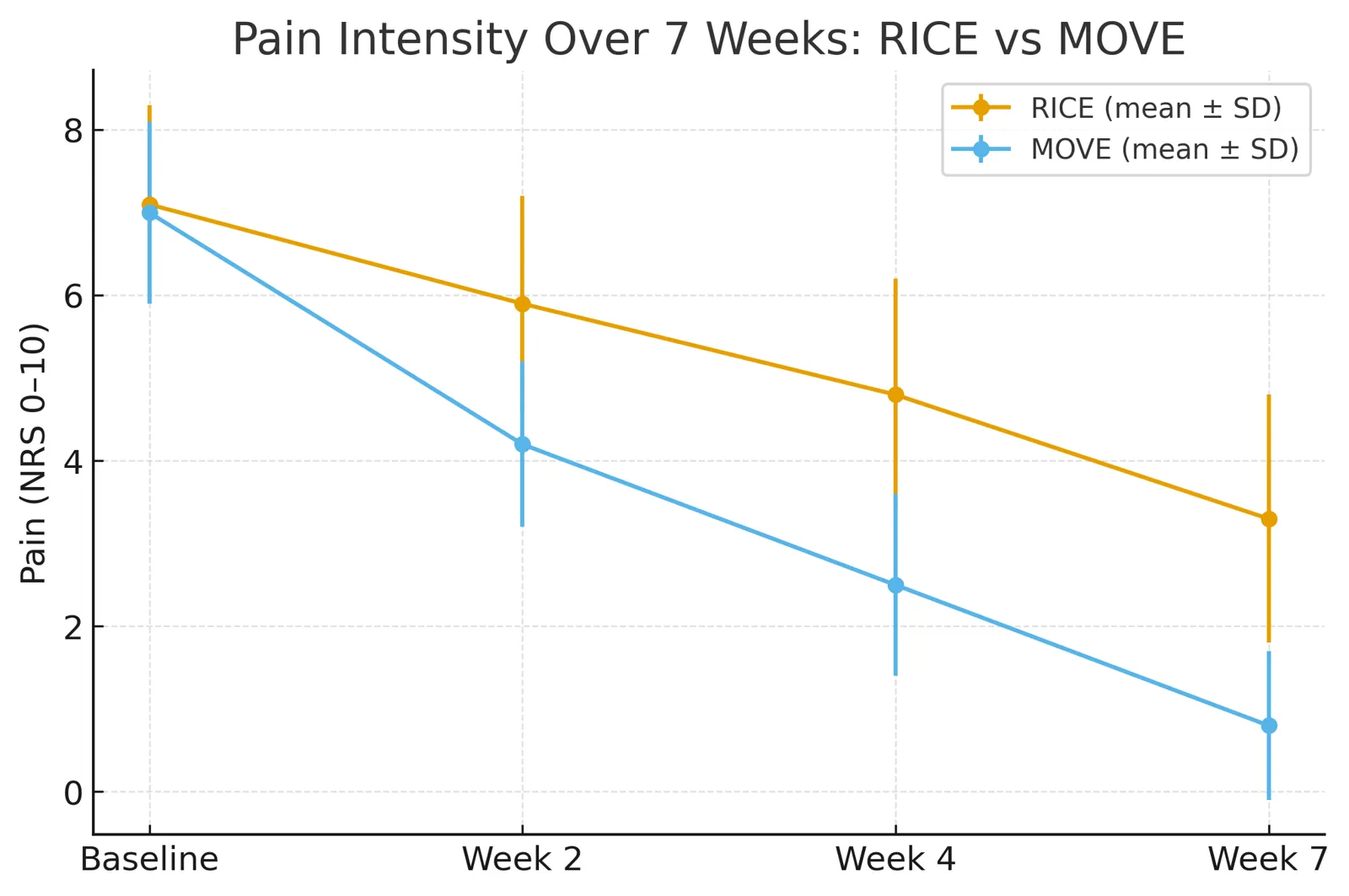
However, runner’s knee is often treatable without the need for surgical intervention. Stopping jogging (or whatever activity set off the problem) until you can do it again without experiencing discomfort is frequently the best course of action. Compression, elevation, and icing the knee may all be helpful, as may over-the-counter pain medicine. Physical therapy and addressing any faulty body mechanics might also be helpful.
The symptoms of runner’s knee might be mistaken for those of other disorders, so getting a proper diagnosis and treatment from a doctor is critical.
The prognosis for runner’s knee is often favorable when treated appropriately, which does not always need surgery.
Runner’s Knee Risk Factors and Causes.
Injuries, overtraining, and structural or anatomical defects may all lead to runner’s knee, but they aren’t the only possible causes of the condition. These criteria include, but are not limited to:
What is known as a “high patella” is a kneecap that sits excessively high in the joint of the knee
Thigh muscles that be too weak or too tight
Hamstrings that won’t let go
Tendonitis in the Achilles
Low arches
When walking or sprinting, the kneecap is pulled outward by the thigh muscles as the feet roll inward.
Runner’s knee is connected with the following risk factors:
Weightlifting, skiing, or biking are all examples of activities that may be done in moderation.
As a result of physical variations between men and women, women are twice as likely to suffer from runner’s knee as men (so their thigh bones angle in more sharply from hip to knee, causing greater stress and instability in the knee)
Congenital abnormalities of the knee joint, such as trochlear dysplasia, an aberrant position of the kneecap, or knock knees.
Unstable patella (which may lead to runner’s knee) because of a lack of stability in the kneecap’s attachment to the joint.
Knee ligament and muscle strains are more likely to occur if the knee joint is not well conditioned.
Runner’s Knee Signs and Symptoms
Runner’s knee symptoms most often include:
As a result of physical activity, the kneecap might become inflamed.
Instability or weakness after sitting for an extended period of time with the knees bent
a grinding, grinding, or popping sound that happens as you bend and straighten your knee
Kneecap swells up
A swollen, irritated, or painful kneecap
Resolving Knee Pain in the Runner
Runner’s knee may be managed and avoided by avoiding overstressing your knees. How you can help:
If necessary, slim down.
Warm up and stretch your muscles before and after your workouts to avoid injury.
Strengthen the knee-supporting muscles, such as the hips and quadriceps, using workouts.
To prevent overusing certain muscles and joints, change up your workout program.
Gradually increase your physical activity.
Take care of your feet by using proper running shoes.
When running, bend your knees and lean forward.
Useful links for Runners knee :
- Mayo Clinic: https://www.mayoclinic.org/diseases-conditions/runner-s-knee/symptoms-causes/syc-20355530
- WebMD: https://www.webmd.com/pain-management/knee-pain/runners-knee#1
- American Academy of Orthopaedic Surgeons: https://www.aaos.org/conditions/runner-s-knee
- OrthoInfo: https://www.orthoinfo.aaos.org/en/diseases–conditions/patellofemoral-pain-syndrome-runner-s-knee/
- Harvard Health Publishing: https://www.health.harvard.edu/pain/runners-knee-5-ways-to-prevent-and-treat-it
- Cleveland Clinic: https://my.clevelandclinic.org/health/diseases/9187-runners-knee
- Johns Hopkins Medicine: https://www.hopkinsmedicine.org/health/conditions-and-diseases/runners-knee
- American College of Sports Medicine: https://www.acsm.org/docs/default-source/brochures/runner-s-knee.pdf
- Physio Works: https://www.physioworks.com.au/injuries-conditions-1/runners-knee-patellofemoral-pain-syndrome
- Sports Injury Clinic: https://www.sportsinjuryclinic.net/sport-injuries/knee-pain/runners-knee
सरल शब्दों में, रनर्स नी (runner’s knee) घुटने के अग्र भाग में होने वाला एक मंद दर्द है, जो दौड़ते समय घुटने के अत्यधिक उपयोग के कारण होता है। इसके लिए कोई संरचनात्मक दोष अथवा विशेष चाल (gait) या दौड़ने की शैली उत्तरदायी हो सकती है। घुटने की टोपी (kneecap) में रगड़, घिसने या चटकने की ध्वनियाँ इसके सबसे सामान्य लक्षणों में से हैं। असुविधा कम होने तक दौड़ना (दौड़ को समायोजित करना) चिकित्सा का एक भाग है।
रनर्स नी—पटेलोफ़ेमोरल पेन सिंड्रोम (patellofemoral pain syndrome) का प्रचलित नाम—एक ऐसा विकार है जो व्यक्ति के घुटने के अग्र भाग पर, घुटने की टोपी (पटेला — patella) के आसपास और/या उसके नीचे असुविधा उत्पन्न करता है। यह वह स्थान है जहाँ घुटना जाँघ की अस्थि (फ़ीमर — femur) के निचले सिरे से मिलता है। इसमें एक या दोनों घुटने प्रभावित होते हैं।
धावकों के अतिरिक्त, भारोत्तोलक, पर्वतारोही, स्कीयर, साइकिल चालक और फ़ुटबॉल खिलाड़ी भी रनर्स नी — जिसे रनर्स नी सिंड्रोम भी कहा जाता है — विकसित होने के जोखिम में होते हैं। जो लोग पूरा दिन डेस्क पर बैठकर बिताते हैं, उनके लिए भी घुटने की टोपी की थकान एक समस्या है।
रनर्स नी पुरुषों की तुलना में दोगुनी महिलाओं को प्रभावित करता है।
PFPS का निदान महिलाओं की सभी चोटों के 19.6% तथा पुरुषों की सभी चोटों के 7.4% के लिए उत्तरदायी बताया गया है (DeHaven & Lintner, 1986)
जब घुटने पर अत्यधिक कार्यभार पड़ता है या वह क्षतिग्रस्त होता है, तब रनर्स नी होने की सर्वाधिक संभावना होती है। सीढ़ियाँ चढ़ने या उतरने से बढ़ने वाली पैर की असुविधा सबसे प्रचलित शिकायत है। पालथी मारकर बैठना, स्क्वाट करना और घुटनों के बल बैठना — ये सभी असुविधा उत्पन्न कर सकते हैं।
क्या यह संभव है कि रनर्स नी की चोट के दीर्घकालिक परिणाम हों?
यदि उपचार न कराया जाए, तो इलियोटिबियल बैंड सिंड्रोम (iliotibial band syndrome) से उत्पन्न रनर्स नी के साथ दौड़ते रहने से पैर में बायोमैकेनिकल समस्याएँ विकसित हो सकती हैं। दुर्लभ मामलों में रनर्स नी से घुटने की उपास्थि (cartilage) स्थायी रूप से क्षतिग्रस्त हो सकती है।
तथापि, रनर्स नी का उपचार प्रायः शल्य हस्तक्षेप की आवश्यकता के बिना संभव है। जॉगिंग (या जिस भी गतिविधि से समस्या आरंभ हुई हो) को तब तक रोक देना, जब तक आप उसे बिना असुविधा के पुनः न कर सकें, प्रायः सर्वोत्तम उपाय होता है। घुटने पर संपीड़न (compression), उसे ऊँचा रखना (elevation) और बर्फ़ से सिंकाई — ये सभी सहायक हो सकते हैं, जैसे कि बिना पर्चे के मिलने वाली दर्द-निवारक दवाएँ भी। फ़िज़ियोथेरेपी और किसी भी त्रुटिपूर्ण शारीरिक यांत्रिकी (body mechanics) का सुधार भी सहायक हो सकता है।
रनर्स नी के लक्षणों को अन्य विकारों के लक्षण समझने की भूल हो सकती है, इसलिए चिकित्सक से उचित निदान और उपचार प्राप्त करना अत्यंत महत्वपूर्ण है।
उचित उपचार किए जाने पर रनर्स नी का पूर्वानुमान (prognosis) प्रायः अनुकूल होता है, और इसके लिए सदैव शल्य-चिकित्सा की आवश्यकता नहीं होती।
रनर्स नी के जोखिम कारक और कारण।
चोटें, अति-प्रशिक्षण (overtraining), और संरचनात्मक या शारीरिक दोष — ये सभी रनर्स नी का कारण बन सकते हैं, किंतु ये इस स्थिति के एकमात्र संभावित कारण नहीं हैं। इन मानदंडों में निम्नलिखित सम्मिलित हैं, किंतु ये इन्हीं तक सीमित नहीं हैं:
“हाई पटेला” (high patella) के नाम से ज्ञात स्थिति, जिसमें घुटने की टोपी घुटने के जोड़ में अत्यधिक ऊँचाई पर स्थित होती है
जाँघ की मांसपेशियाँ जो अत्यधिक दुर्बल या अत्यधिक जकड़ी हुई हों
हैमस्ट्रिंग जो शिथिल नहीं होतीं
एकिलीज़ में टेंडोनाइटिस (Tendonitis)
निम्न पाद-चाप (low arches)
चलते या तेज़ दौड़ते समय, पैरों के भीतर की ओर मुड़ने पर जाँघ की मांसपेशियों द्वारा घुटने की टोपी का बाहर की ओर खिंचना।
रनर्स नी निम्नलिखित जोखिम कारकों से संबद्ध है:
भारोत्तोलन, स्कीइंग या साइकिल चलाना — ये सभी ऐसी गतिविधियों के उदाहरण हैं जिन्हें संयमित मात्रा में किया जा सकता है।
पुरुषों और महिलाओं के बीच शारीरिक भिन्नताओं के परिणामस्वरूप, महिलाओं में पुरुषों की तुलना में रनर्स नी होने की संभावना दोगुनी होती है (उनकी जाँघ की अस्थियाँ कूल्हे से घुटने तक अधिक तीव्र कोण पर भीतर की ओर झुकी होती हैं, जिससे घुटने में अधिक तनाव और अस्थिरता उत्पन्न होती है)
घुटने के जोड़ की जन्मजात असामान्यताएँ, जैसे ट्रॉक्लियर डिसप्लेसिया (trochlear dysplasia), घुटने की टोपी की असामान्य स्थिति, या नॉक नीज़ (knock knees)।
जोड़ से घुटने की टोपी के जुड़ाव में स्थिरता के अभाव के कारण अस्थिर पटेला (जो रनर्स नी का कारण बन सकता है)।
यदि घुटने का जोड़ भली-भाँति अनुकूलित (conditioned) नहीं है, तो घुटने के लिगामेंट और मांसपेशियों में खिंचाव की संभावना अधिक होती है।
रनर्स नी के संकेत और लक्षण
रनर्स नी के लक्षणों में प्रायः सम्मिलित हैं:
शारीरिक गतिविधि के परिणामस्वरूप घुटने की टोपी में सूजन (inflammation) हो सकती है।
घुटनों को मोड़कर लंबे समय तक बैठने के पश्चात् अस्थिरता या दुर्बलता
घुटने को मोड़ते और सीधा करते समय घिसने, रगड़ने या चटकने की ध्वनि
घुटने की टोपी का फूल जाना
सूजी हुई, उत्तेजित या पीड़ादायक घुटने की टोपी
धावक के घुटने के दर्द का समाधान
अपने घुटनों पर अत्यधिक दबाव डालने से बचकर रनर्स नी का प्रबंधन और निवारण किया जा सकता है। आप इस प्रकार सहायता कर सकते हैं:
यदि आवश्यक हो, तो वज़न घटाएँ।
चोट से बचने के लिए व्यायाम से पहले और बाद में वार्म-अप करें और अपनी मांसपेशियों को स्ट्रेच करें।
व्यायामों के माध्यम से घुटने को आधार देने वाली मांसपेशियों, जैसे कूल्हों और क्वाड्रिसेप्स, को सुदृढ़ करें।
कुछ विशेष मांसपेशियों और जोड़ों के अत्यधिक उपयोग से बचने के लिए अपने व्यायाम कार्यक्रम में विविधता लाएँ।
अपनी शारीरिक गतिविधि को क्रमिक रूप से बढ़ाएँ।
उचित रनिंग शूज़ का उपयोग करके अपने पैरों की देखभाल करें।
दौड़ते समय घुटनों को मोड़ें और आगे की ओर झुकें।
रनर्स नी के लिए उपयोगी लिंक :
- Mayo Clinic: https://www.mayoclinic.org/diseases-conditions/runner-s-knee/symptoms-causes/syc-20355530
- WebMD: https://www.webmd.com/pain-management/knee-pain/runners-knee#1
- American Academy of Orthopaedic Surgeons: https://www.aaos.org/conditions/runner-s-knee
- OrthoInfo: https://www.orthoinfo.aaos.org/en/diseases–conditions/patellofemoral-pain-syndrome-runner-s-knee/
- Harvard Health Publishing: https://www.health.harvard.edu/pain/runners-knee-5-ways-to-prevent-and-treat-it
- Cleveland Clinic: https://my.clevelandclinic.org/health/diseases/9187-runners-knee
- Johns Hopkins Medicine: https://www.hopkinsmedicine.org/health/conditions-and-diseases/runners-knee
- American College of Sports Medicine: https://www.acsm.org/docs/default-source/brochures/runner-s-knee.pdf
- Physio Works: https://www.physioworks.com.au/injuries-conditions-1/runners-knee-patellofemoral-pain-syndrome
- Sports Injury Clinic: https://www.sportsinjuryclinic.net/sport-injuries/knee-pain/runners-knee
En términos sencillos, la rodilla del corredor es un dolor sordo en la parte anterior de la rodilla causado por el uso excesivo de la rodilla durante la carrera. La causa puede ser una alteración estructural o un patrón de marcha o estilo de carrera particular. Entre los síntomas más frecuentes se encuentran el roce, el chasquido o los crujidos de la rótula. Correr hasta que la molestia remita forma parte del tratamiento.
La rodilla del corredor (runner’s knee)—denominación común del síndrome de dolor patelofemoral—es un trastorno que produce molestias alrededor y/o debajo de la rótula (patella), en la parte anterior de la rodilla. Es la zona en la que la rodilla se une con el extremo inferior del hueso del muslo (fémur). Puede afectar a una o a ambas rodillas.
Además de los corredores, los levantadores de pesas, los excursionistas, los esquiadores, los ciclistas y los futbolistas también corren el riesgo de desarrollar la rodilla del corredor, también conocida como síndrome de la rodilla del corredor. La fatiga rotuliana es asimismo un problema para quienes pasan el día sentados frente a un escritorio.
La rodilla del corredor afecta al doble de mujeres que de hombres.
se ha descrito que el diagnóstico de SDPF (PFPS) representa el 19.6% de todas las lesiones en mujeres y el 7.4% de todas las lesiones en hombres (DeHaven & Lintner, 1986)
La rodilla del corredor tiende a aparecer cuando la rodilla está sobrecargada o lesionada. La queja más frecuente es una molestia en la pierna que se agrava al subir o bajar escaleras. Sentarse con las piernas cruzadas, ponerse en cuclillas y arrodillarse pueden provocar molestias.
¿Puede una lesión de rodilla del corredor tener consecuencias a largo plazo?
Seguir corriendo con una rodilla del corredor causada por el síndrome de la banda iliotibial puede derivar en problemas biomecánicos de la pierna si no se busca tratamiento. En casos poco frecuentes, la rodilla del corredor puede dañar de forma permanente el cartílago de la rodilla.
No obstante, la rodilla del corredor suele poder tratarse sin necesidad de intervención quirúrgica. Interrumpir la carrera (o la actividad que haya desencadenado el problema) hasta que pueda realizarla de nuevo sin molestias suele ser la mejor opción. La compresión, la elevación y la aplicación de hielo en la rodilla pueden resultar útiles, al igual que los analgésicos de venta sin receta. La fisioterapia y la corrección de cualquier mecánica corporal deficiente también pueden ser de ayuda.
Los síntomas de la rodilla del corredor pueden confundirse con los de otros trastornos, por lo que es fundamental obtener un diagnóstico y un tratamiento adecuados por parte de un médico.
El pronóstico de la rodilla del corredor suele ser favorable cuando se trata de forma adecuada, lo que no siempre requiere cirugía.
Factores de riesgo y causas de la rodilla del corredor.
Las lesiones, el sobreentrenamiento y los defectos estructurales o anatómicos pueden conducir a la rodilla del corredor, aunque no son las únicas causas posibles de esta afección. Estos criterios incluyen, entre otros:
Lo que se conoce como “rótula alta” es una rótula situada en una posición excesivamente elevada en la articulación de la rodilla
Músculos del muslo demasiado débiles o demasiado acortados
Isquiotibiales con rigidez persistente
Tendinitis aquílea
Arcos plantares bajos
Al caminar o esprintar, los músculos del muslo desplazan la rótula hacia fuera mientras los pies ruedan hacia dentro.
La rodilla del corredor se asocia a los siguientes factores de riesgo:
Actividades como el levantamiento de pesas, el esquí o el ciclismo, que pueden practicarse con moderación.
Debido a las diferencias físicas entre hombres y mujeres, las mujeres tienen el doble de probabilidades que los hombres de padecer la rodilla del corredor (el fémur presenta una angulación más pronunciada desde la cadera hacia la rodilla, lo que genera mayor tensión e inestabilidad en la rodilla)
Anomalías congénitas de la articulación de la rodilla, como la displasia troclear, una posición anómala de la rótula o el genu valgo (rodillas en X).
Rótula inestable (que puede conducir a la rodilla del corredor) debido a una falta de estabilidad en la fijación de la rótula a la articulación.
Las distensiones de los ligamentos y los músculos de la rodilla son más probables si la articulación de la rodilla no está bien acondicionada.
Signos y síntomas de la rodilla del corredor
Los síntomas de la rodilla del corredor incluyen con mayor frecuencia:
Como consecuencia de la actividad física, la rótula puede inflamarse.
Inestabilidad o debilidad tras permanecer sentado durante un periodo prolongado con las rodillas flexionadas
un sonido de roce, crujido o chasquido que se produce al flexionar y extender la rodilla
Tumefacción de la rótula
Una rótula inflamada, irritada o dolorosa
Cómo resolver el dolor de rodilla en el corredor
La rodilla del corredor puede tratarse y prevenirse evitando someter las rodillas a un estrés excesivo. Cómo puede contribuir:
Si es necesario, reduzca su peso corporal.
Caliente y estire los músculos antes y después de sus entrenamientos para evitar lesiones.
Fortalezca los músculos que sostienen la rodilla, como los de la cadera y los cuádriceps, mediante ejercicios específicos.
Para evitar el uso excesivo de determinados músculos y articulaciones, varíe su programa de entrenamiento.
Aumente su actividad física de forma progresiva.
Cuide sus pies utilizando un calzado de carrera adecuado.
Al correr, flexione las rodillas e incline el cuerpo hacia delante.
Enlaces útiles sobre la rodilla del corredor:
- Mayo Clinic: https://www.mayoclinic.org/diseases-conditions/runner-s-knee/symptoms-causes/syc-20355530
- WebMD: https://www.webmd.com/pain-management/knee-pain/runners-knee#1
- American Academy of Orthopaedic Surgeons: https://www.aaos.org/conditions/runner-s-knee
- OrthoInfo: https://www.orthoinfo.aaos.org/en/diseases–conditions/patellofemoral-pain-syndrome-runner-s-knee/
- Harvard Health Publishing: https://www.health.harvard.edu/pain/runners-knee-5-ways-to-prevent-and-treat-it
- Cleveland Clinic: https://my.clevelandclinic.org/health/diseases/9187-runners-knee
- Johns Hopkins Medicine: https://www.hopkinsmedicine.org/health/conditions-and-diseases/runners-knee
- American College of Sports Medicine: https://www.acsm.org/docs/default-source/brochures/runner-s-knee.pdf
- Physio Works: https://www.physioworks.com.au/injuries-conditions-1/runners-knee-patellofemoral-pain-syndrome
- Sports Injury Clinic: https://www.sportsinjuryclinic.net/sport-injuries/knee-pain/runners-knee
بفهم مبسّط، ركبة العدّاء ألم خفيف في مقدمة الركبة ينجم عن الإفراط في استخدام الركبة في أثناء الجري. وقد يُعزى ذلك إلى خلل بنيوي أو إلى نمط مشي أو أسلوب جري معيّن. ومن أكثر الأعراض شيوعًا أصوات الاحتكاك أو الطحن أو الطقطقة في الرضفة (صابونة الركبة). ويُعدّ الجري حتى يهدأ الانزعاج جزءًا من العلاج.
ركبة العدّاء—وهي التسمية الشائعة لمتلازمة الألم الرضفي الفخذي (patellofemoral pain syndrome)—اضطراب يُسبّب انزعاجًا حول الرضفة و/أو أسفلها، في مقدمة الركبة (patella). وهذا هو الموضع الذي تلتقي فيه الركبة بالطرف السفلي لعظم الفخذ (femur). وقد تصاب ركبة واحدة أو كلتا الركبتين.
إضافة إلى العدّائين، يتعرض رافعو الأثقال والمتنزهون سيرًا ومتزلجو الجليد وراكبو الدراجات ولاعبو كرة القدم أيضًا لخطر الإصابة بركبة العدّاء، المعروفة كذلك بمتلازمة ركبة العدّاء. كما يُعدّ إجهاد الرضفة مشكلة لدى من يقضون أيامهم جالسين إلى المكتب طوال اليوم.
تصيب ركبة العدّاء النساء بضعف ما تصيب الرجال.
أُفيد بأن تشخيص PFPS يمثّل 19.6% من جميع الإصابات لدى الإناث و7.4% من جميع الإصابات لدى الذكور (DeHaven & Lintner, 1986)
تكون ركبة العدّاء أرجح حدوثًا عندما تُجهَد الركبة بإفراط أو تتعرض للضرر. والشكوى الأكثر انتشارًا هي انزعاج في الساق يتفاقم عند صعود الدرج أو نزوله. وقد يُسبّب الجلوس متربّعًا والقرفصاء والجثو جميعها انزعاجًا.
هل يمكن أن تكون لإصابة ركبة العدّاء عواقب طويلة الأمد؟
قد يتطور الجري مع ركبة العدّاء الناجمة عن متلازمة الشريط الحرقفي الظنبوبي (iliotibial band syndrome) إلى مشكلات ميكانيكية حيوية في الساق إذا لم يُطلب العلاج. وفي حالات نادرة، قد تُلحق ركبة العدّاء ضررًا دائمًا بغضروف الركبة.
غير أن ركبة العدّاء قابلة للعلاج في الغالب دون الحاجة إلى تدخل جراحي. وكثيرًا ما يكون أفضل مسار للعمل هو التوقف عن الهرولة (أو أيًّا كان النشاط الذي أطلق المشكلة) حتى تتمكن من ممارسته مجددًا دون الشعور بانزعاج. وقد يفيد الضغط على الركبة ورفعها ووضع الثلج عليها، وكذلك مسكّنات الألم المتاحة دون وصفة طبية. كما قد يفيد العلاج الطبيعي ومعالجة أي خلل في ميكانيكا الجسم.
قد تُخلط أعراض ركبة العدّاء بأعراض اضطرابات أخرى، ولذا فإن الحصول على تشخيص صحيح وعلاج مناسب من الطبيب أمر بالغ الأهمية.
يكون مآل ركبة العدّاء (prognosis) جيدًا في الغالب عند علاجها على النحو المناسب، وهو علاج لا يتطلب الجراحة دائمًا.
عوامل الخطر والأسباب المؤدية إلى ركبة العدّاء.
قد تؤدي الإصابات والإفراط في التدريب والعيوب البنيوية أو التشريحية جميعها إلى ركبة العدّاء، لكنها ليست الأسباب الوحيدة الممكنة لهذه الحالة. وتشمل هذه المعايير، على سبيل المثال لا الحصر:
ما يُعرف بـ«الرضفة المرتفعة» (high patella)، أي الرضفة التي تستقر في موضع مرتفع بإفراط في مفصل الركبة
عضلات الفخذ الضعيفة جدًا أو المشدودة جدًا
العضلات الخلفية للفخذ التي لا ترتخي
التهاب وتر العرقوب (Achilles)
انخفاض أقواس القدم
عند المشي أو العدو السريع، تسحب عضلات الفخذ الرضفةَ إلى الخارج بينما تنقلب القدمان إلى الداخل.
ترتبط ركبة العدّاء بعوامل الخطر التالية:
رفع الأثقال أو التزلج على الجليد أو ركوب الدراجات، وكلها أمثلة على أنشطة يمكن ممارستها باعتدال.
نتيجة للاختلافات الجسدية بين الرجال والنساء، تكون النساء أكثر عرضة للإصابة بركبة العدّاء بضعفي الرجال (إذ تميل عظام الفخذ لديهن إلى الداخل بزاوية أشد من الورك إلى الركبة، مما يُسبّب إجهادًا وعدم ثبات أكبر في الركبة)
التشوهات الخلقية في مفصل الركبة، مثل خلل تنسّج البكرة (trochlear dysplasia)، أو الوضع الشاذ للرضفة، أو الركبتين المتلاصقتين (knock knees).
عدم ثبات الرضفة (الذي قد يؤدي إلى ركبة العدّاء) بسبب نقص الثبات في ارتباط الرضفة بالمفصل.
يزداد احتمال حدوث شدّ في أربطة الركبة وعضلاتها إذا لم يكن مفصل الركبة مهيّأ تهيئة جيدة.
علامات ركبة العدّاء وأعراضها
تشمل أعراض ركبة العدّاء في الغالب ما يلي:
قد تلتهب الرضفة نتيجة للنشاط البدني.
عدم الثبات أو الضعف بعد الجلوس لفترة طويلة مع ثني الركبتين
صوت طحن أو احتكاك أو فرقعة يحدث عند ثني الركبة ومدّها
تورّم الرضفة
رضفة متورمة أو متهيّجة أو مؤلمة
علاج ألم الركبة لدى العدّاء
يمكن التعامل مع ركبة العدّاء والوقاية منها بتجنّب الإجهاد المفرط للركبتين. وإليك ما يمكنك فعله:
أنقِص وزنك إذا لزم الأمر.
قم بالإحماء وإطالة عضلاتك قبل التمارين وبعدها لتجنّب الإصابة.
قوِّ العضلات الداعمة للركبة، مثل عضلات الورك والعضلة رباعية الرؤوس، من خلال التمارين.
نوّع برنامج تمارينك لتجنّب الإفراط في استخدام عضلات ومفاصل بعينها.
زِد نشاطك البدني تدريجيًا.
اعتنِ بقدميك باستخدام أحذية جري مناسبة.
عند الجري، اثنِ ركبتيك ومِل إلى الأمام.
روابط مفيدة حول ركبة العدّاء:
- Mayo Clinic: https://www.mayoclinic.org/diseases-conditions/runner-s-knee/symptoms-causes/syc-20355530
- WebMD: https://www.webmd.com/pain-management/knee-pain/runners-knee#1
- American Academy of Orthopaedic Surgeons: https://www.aaos.org/conditions/runner-s-knee
- OrthoInfo: https://www.orthoinfo.aaos.org/en/diseases–conditions/patellofemoral-pain-syndrome-runner-s-knee/
- Harvard Health Publishing: https://www.health.harvard.edu/pain/runners-knee-5-ways-to-prevent-and-treat-it
- Cleveland Clinic: https://my.clevelandclinic.org/health/diseases/9187-runners-knee
- Johns Hopkins Medicine: https://www.hopkinsmedicine.org/health/conditions-and-diseases/runners-knee
- American College of Sports Medicine: https://www.acsm.org/docs/default-source/brochures/runner-s-knee.pdf
- Physio Works: https://www.physioworks.com.au/injuries-conditions-1/runners-knee-patellofemoral-pain-syndrome
- Sports Injury Clinic: https://www.sportsinjuryclinic.net/sport-injuries/knee-pain/runners-knee