
What You Should Know About Meniscus Injuries
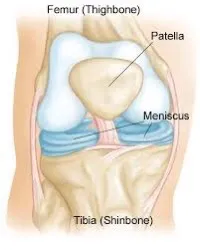
Each knee has two menisci, which are cartilage pads with a crescent shape. They have a critical function in stabilizing the knee joint, facilitating knee joint mobility, and absorbing the shock of walking and other weight-bearing movements.
To describe a tearing of one of the menisci, the term “meniscus injury” is commonly used. Trauma to the knee joint or deterioration of the knee joint as a result of aging is two possible causes. The knee feels like it’s giving way because of the discomfort and swelling.
The meniscus’s function
The meniscus is an avascular structure that receives only a small amount of blood flow. However, the knee’s biomechanical function relies on it – says Dr.Neeraj Mehta Ph.D. candidate biomechanics & alternative medicine & professor at American Sports Fitness University & COO GFFI Fitness Academy The knee joint’s articulating surfaces are more congruent when the meniscus is present. In addition to this, the meniscus is essential for walking and other activities because it absorbs shock and transmits load. Additional benefits include preventing knee flexion and extension at extreme angles and providing proprioceptive feedback. Meniscal injuries have become increasingly popular in recent years for all of the above reasons.
Meniscus Injury
A tear in one of the knee’s menisci causes a meniscus injury. There are a number of functions that the menisci perform. Walking stability by preventing extreme knee bends and straightenings shock absorption weight transmission
A meniscus tear affects out of every 100,000 people in the general population, according to 2021 research. Trauma and degenerative changes in the knee joint are among the possible causes of this injury.
There are 6 types of Meniscus Tears
A torn meniscus causes knee discomfort because the affected cartilage no longer protects the bones in the knee joint. A tear can cause inflammation, stiffness, and loss of function as the bones rub against each other.
A radial meniscus tear is the most prevalent form. An unblooded portion of the knee cannot mend on its own.
Severe tears may necessitate surgery. In radial tears, the surgeon trims the injured meniscus.
A horizontal meniscus tear is one of the easiest to repair. Rather than removing the torn meniscus, the surgeon will try to sew the circumferential fibers back together.
Meniscus repair requires location. The more vascular regions of the meniscus, adjacent to the outside border, have a greater potential for healing.
An incomplete or intrasubstance tear may appear normal as the surgeon begins surgery, but it is an indication of degenerative changes in the meniscus tissue. This injury isn’t generally a problem.
These tears are considered stable and do not require surgery. An MRI scan can reveal the tear.
A complicated meniscus tear has many tear patterns, often radial and horizontal. The meniscus can be removed, but no reparative surgery is usually required.
A flap tear has an odd tear pattern. A patient with a flap rip may feel a catching in their knee. The meniscus flap generates the sensation, and it can be removed to relieve the pain.
A bucket handle tear is like a horizontal tear, but it incorporates more of the meniscus. The knee becomes stuck, and the torn meniscus prevents normal knee motion. This sort of damage frequently necessitates immediate surgery to restore knee flexion.
When a meniscus is torn or stretched, the most typical symptoms are pain and stiffness in the knee, along with swelling and the inability to walk or bend the leg. When symptoms of a torn meniscus or knee discomfort make it impossible for you to walk normally, see a doctor.
Symptoms
Pain and swelling may not begin to develop for up to 24 hours after you’ve torn your meniscus, especially if the tear is tiny. Signs and symptoms of knee pain include the following:
A sensation of sizzling heat
stiffness or swelling
When twisting or rotating your knee, your knee aches.
Inability to fully extend your knee
There is a sense of immobility when you try to move your knee.
You feel as if your knee is collapsing.
When is the best time to see a doctor?
Your doctor should be called if your knee is swollen or hurts, or if you can’t move it as you typically would.
Frequently asked question for Meniscus tear – Answered by Dr. Neeraj Mehta (Ph. D.):
How long does it take for a meniscus tear to heal?
The most frequent knee injury is a meniscus tear. If your meniscus tear is treated non-surgically, you should expect a 6- to 8-week healing period.
Is it possible for a torn meniscus to worsen over time?
Pain and swelling are common symptoms of a torn meniscus. There is a good chance that you will notice if you have a torn meniscus. Despite being in excruciating pain, most people are nevertheless able to move. Swelling may occur at any time and can increase over time if it is not treated.
Is it possible to move about with a torn meniscus?
Localized pain in the knee is common in patients with a torn meniscus. Twisting or squatting might increase the pain. Meniscal tears in the knee don’t always cause pain whether the patient is moving about, standing, sitting, or sleeping.
Will a knee brace assist if you have a torn meniscus?
Yes. Meniscus tears can’t be fixed or treated using knee braces, but they may provide extra support and stability while the injury heals. Bracing your knee properly will protect it and relieve the stress on your meniscus, allowing it to rest.
What happens if you don’t treat a meniscus tear?
This might lead to the meniscus slipping into the joint if left untreated. Surgery may be necessary to recover full knee function. Osteoarthritis may result from meniscus injuries that are not treated properly.
मेनिस्कस चोटों के बारे में आपको क्या जानना चाहिए
प्रत्येक घुटने में दो मेनिस्की (menisci) होती हैं, जो अर्धचंद्राकार उपास्थि-गद्दियाँ (cartilage pads) हैं। घुटने की संधि को स्थिर करने, घुटने की संधि की गतिशीलता को सुगम बनाने, तथा चलने और अन्य भार-वहन गतियों के आघात को अवशोषित करने में इनकी महत्वपूर्ण भूमिका होती है।
किसी एक मेनिस्कस के फटने का वर्णन करने के लिए सामान्यतः “मेनिस्कस चोट” (meniscus injury) पद का प्रयोग किया जाता है। घुटने की संधि पर आघात अथवा बढ़ती आयु के परिणामस्वरूप घुटने की संधि का क्षरण — ये दो संभावित कारण हैं। असुविधा और सूजन के कारण ऐसा अनुभव होता है मानो घुटना जवाब दे रहा हो।
मेनिस्कस का कार्य
मेनिस्कस एक अवाहिकीय (avascular) संरचना है जिसे केवल अल्प मात्रा में रक्त-प्रवाह प्राप्त होता है। तथापि, घुटने का जैवयांत्रिक कार्य इसी पर निर्भर करता है – ऐसा कहना है डॉ. नीरज मेहता, PhD (जैवयांत्रिकी एवं वैकल्पिक चिकित्सा), American Sports Fitness University में प्रोफ़ेसर & GFFI Fitness Academy के COO का। मेनिस्कस की उपस्थिति में घुटने की संधि की संधायी सतहें (articulating surfaces) अधिक सर्वांगसम (congruent) होती हैं। इसके अतिरिक्त, मेनिस्कस चलने और अन्य गतिविधियों के लिए अनिवार्य है क्योंकि यह आघात को अवशोषित करता है और भार को संचारित करता है। अन्य लाभों में अत्यधिक कोणों पर घुटने के आकुंचन और प्रसारण को रोकना तथा अंतर्ग्राही (proprioceptive) प्रतिपुष्टि प्रदान करना सम्मिलित है। उपर्युक्त सभी कारणों से हाल के वर्षों में मेनिस्कस चोटें उत्तरोत्तर अधिक चर्चित हुई हैं।
मेनिस्कस चोट
घुटने की किसी एक मेनिस्कस में विदारण होने से मेनिस्कस चोट होती है। मेनिस्की अनेक कार्य करती हैं। घुटने के अत्यधिक मुड़ने और सीधा होने को रोककर चलने में स्थिरता, आघात-अवशोषण, भार-संचरण
2021 के शोध के अनुसार, सामान्य जनसंख्या में प्रत्येक 100,000 लोगों में से लोग मेनिस्कस टियर से प्रभावित होते हैं। घुटने की संधि में आघात और अपक्षयी परिवर्तन इस चोट के संभावित कारणों में से हैं।
मेनिस्कस टियर के 6 प्रकार हैं
फटी हुई मेनिस्कस घुटने में असुविधा उत्पन्न करती है क्योंकि प्रभावित उपास्थि अब घुटने की संधि की अस्थियों की रक्षा नहीं कर पाती। विदारण के कारण अस्थियाँ एक-दूसरे से रगड़ खाती हैं, जिससे सूजन, जकड़न और कार्य-क्षमता की हानि हो सकती है।
रेडियल मेनिस्कस टियर सबसे प्रचलित प्रकार है। घुटने का रक्त-आपूर्ति रहित भाग स्वयं ठीक नहीं हो सकता।
गंभीर विदारणों में शल्यक्रिया आवश्यक हो सकती है। रेडियल टियर में शल्य-चिकित्सक क्षतिग्रस्त मेनिस्कस को काटकर छाँट देता है।
हॉरिज़ॉन्टल टियर (HORIZONTAL TEAR)
हॉरिज़ॉन्टल (क्षैतिज) मेनिस्कस टियर की मरम्मत सबसे सरल होती है। फटी हुई मेनिस्कस को हटाने के स्थान पर, शल्य-चिकित्सक परिधीय तंतुओं (circumferential fibers) को पुनः सिलकर जोड़ने का प्रयास करेगा।
मेनिस्कस की मरम्मत स्थान पर निर्भर करती है। बाहरी किनारे से सटे मेनिस्कस के अधिक संवहनी क्षेत्रों में उपचार की संभावना अधिक होती है।
शल्य-चिकित्सक द्वारा शल्यक्रिया आरंभ करने पर अपूर्ण अथवा अंतःपदार्थीय (intrasubstance) टियर सामान्य दिखाई दे सकता है, परंतु यह मेनिस्कस ऊतक में अपक्षयी परिवर्तनों का संकेत है। यह चोट सामान्यतः कोई समस्या नहीं होती।
ये विदारण स्थिर माने जाते हैं और इनमें शल्यक्रिया की आवश्यकता नहीं होती। MRI स्कैन से विदारण का पता चल सकता है।
जटिल मेनिस्कस टियर में अनेक विदारण-प्रतिरूप होते हैं, प्रायः रेडियल और हॉरिज़ॉन्टल। मेनिस्कस को हटाया जा सकता है, परंतु सामान्यतः किसी मरम्मत-शल्यक्रिया की आवश्यकता नहीं होती।
फ़्लैप टियर का विदारण-प्रतिरूप असामान्य होता है। फ़्लैप टियर वाले रोगी को अपने घुटने में अटकन (catching) का अनुभव हो सकता है। यह संवेदना मेनिस्कस का फ़्लैप उत्पन्न करता है, और दर्द से राहत हेतु इसे हटाया जा सकता है।
बकेट हैंडल टियर (BUCKET HANDLE TEAR)
बकेट हैंडल टियर हॉरिज़ॉन्टल टियर के समान होता है, परंतु इसमें मेनिस्कस का अधिक भाग सम्मिलित होता है। घुटना अटक जाता है, और फटी हुई मेनिस्कस घुटने की सामान्य गति को रोकती है। इस प्रकार की क्षति में घुटने का आकुंचन पुनः स्थापित करने हेतु प्रायः तत्काल शल्यक्रिया आवश्यक होती है।
जब मेनिस्कस फट जाती है या उसमें खिंचाव आ जाता है, तो सबसे सामान्य लक्षण घुटने में दर्द और जकड़न होते हैं, साथ ही सूजन तथा पैर से चलने या उसे मोड़ने में असमर्थता भी होती है। जब फटी हुई मेनिस्कस या घुटने की असुविधा के लक्षण आपके लिए सामान्य रूप से चलना असंभव बना दें, तो चिकित्सक से मिलें।
लक्षण
मेनिस्कस फटने के बाद दर्द और सूजन विकसित होने में 24 घंटे तक का समय लग सकता है, विशेषकर यदि विदारण छोटा हो। घुटने के दर्द के संकेतों और लक्षणों में निम्नलिखित सम्मिलित हैं:
तीव्र जलन जैसी गर्मी की संवेदना
जकड़न अथवा सूजन
घुटने को मोड़ते या घुमाते समय घुटने में पीड़ा होती है।
घुटने को पूर्णतः सीधा करने में असमर्थता
घुटने को हिलाने का प्रयास करने पर जड़ता का अनुभव होता है।
आपको ऐसा अनुभव होता है मानो आपका घुटना ढह रहा हो।
चिकित्सक से मिलने का सर्वोत्तम समय कब है?
यदि आपके घुटने में सूजन है या दर्द होता है, अथवा आप उसे सामान्य रूप से नहीं हिला पा रहे हैं, तो आपको अपने चिकित्सक से संपर्क करना चाहिए।
मेनिस्कस टियर संबंधी प्रायः पूछे जाने वाले प्रश्न – डॉ. नीरज मेहता, PhD द्वारा उत्तरित:
मेनिस्कस टियर को ठीक होने में कितना समय लगता है?
मेनिस्कस टियर घुटने की सबसे सामान्य चोट है। यदि आपके मेनिस्कस टियर का उपचार बिना शल्यक्रिया के किया जाता है, तो आपको 6 से 8 सप्ताह की उपचार-अवधि की अपेक्षा करनी चाहिए।
क्या फटी हुई मेनिस्कस समय के साथ और बिगड़ सकती है?
दर्द और सूजन फटी हुई मेनिस्कस के सामान्य लक्षण हैं। इस बात की प्रबल संभावना है कि यदि आपकी मेनिस्कस फटी है तो आपको इसका आभास होगा। अत्यधिक पीड़ा के बावजूद, अधिकांश लोग फिर भी चल-फिर पाते हैं। सूजन किसी भी समय हो सकती है और उपचार न किए जाने पर समय के साथ बढ़ सकती है।
क्या फटी हुई मेनिस्कस के साथ चलना-फिरना संभव है?
फटी हुई मेनिस्कस वाले रोगियों में घुटने में स्थानीय दर्द सामान्य है। मोड़ने या स्क्वाट करने से दर्द बढ़ सकता है। घुटने में मेनिस्कस टियर रोगी के चलते-फिरते, खड़े होते, बैठते अथवा सोते समय सदैव दर्द उत्पन्न नहीं करते।
यदि आपकी मेनिस्कस फटी है तो क्या नी ब्रेस सहायक होगा?
हाँ। नी ब्रेस से मेनिस्कस टियर को ठीक या उपचारित नहीं किया जा सकता, परंतु चोट के ठीक होने के दौरान ये अतिरिक्त सहारा और स्थिरता प्रदान कर सकते हैं। घुटने पर उचित रूप से ब्रेस लगाने से उसकी रक्षा होगी और आपकी मेनिस्कस पर तनाव कम होगा, जिससे उसे विश्राम मिल सकेगा।
यदि आप मेनिस्कस टियर का उपचार न करें तो क्या होता है?
उपचार न किए जाने पर मेनिस्कस संधि के भीतर खिसक सकती है। घुटने का पूर्ण कार्य पुनः प्राप्त करने हेतु शल्यक्रिया आवश्यक हो सकती है। जिन मेनिस्कस चोटों का उचित उपचार नहीं किया जाता, उनसे ऑस्टियोआर्थराइटिस हो सकता है।
Lo que debe saber sobre las lesiones de menisco
Cada rodilla tiene dos meniscos, que son almohadillas de cartílago con forma de media luna. Desempeñan una función esencial en la estabilización de la articulación de la rodilla, facilitan su movilidad y absorben el impacto de la marcha y de otros movimientos con carga.
Para describir la rotura de uno de los meniscos se utiliza habitualmente el término “lesión de menisco”. Un traumatismo en la articulación de la rodilla o el deterioro de dicha articulación como consecuencia del envejecimiento son dos causas posibles. La rodilla da la sensación de ceder debido a las molestias y a la inflamación.
La función del menisco
El menisco es una estructura avascular que recibe solo una pequeña cantidad de flujo sanguíneo. Sin embargo, la función biomecánica de la rodilla depende de él – afirma el Dr. Neeraj Mehta, PhD, investigador en biomecánica y medicina alternativa, profesor en la American Sports Fitness University y COO de GFFI Fitness Academy Las superficies articulares de la rodilla presentan mayor congruencia cuando el menisco está presente. Además, el menisco es esencial para la marcha y otras actividades, ya que absorbe los impactos y transmite la carga. Entre sus beneficios adicionales se encuentran impedir la flexión y la extensión de la rodilla en ángulos extremos y proporcionar retroalimentación propioceptiva. Por todos estos motivos, las lesiones meniscales han adquirido una relevancia creciente en los últimos años.
Lesión de menisco
La rotura de uno de los meniscos de la rodilla provoca una lesión de menisco. Los meniscos desempeñan diversas funciones: estabilidad durante la marcha al impedir flexiones y extensiones extremas de la rodilla, absorción de impactos y transmisión del peso
Según una investigación de 2021, la rotura de menisco afecta a de cada 100,000 personas de la población general. Los traumatismos y los cambios degenerativos de la articulación de la rodilla se encuentran entre las posibles causas de esta lesión.
Existen 6 tipos de roturas de menisco
Un menisco roto provoca molestias en la rodilla porque el cartílago afectado ya no protege los huesos de la articulación. Una rotura puede causar inflamación, rigidez y pérdida de función a medida que los huesos rozan entre sí.
La rotura radial del menisco es la forma más prevalente. Una porción de la rodilla sin irrigación sanguínea no puede repararse por sí sola.
Las roturas graves pueden requerir cirugía. En las roturas radiales, el cirujano recorta el menisco lesionado.
La rotura horizontal del menisco es una de las más fáciles de reparar. En lugar de extirpar el menisco roto, el cirujano intentará suturar de nuevo las fibras circunferenciales.
La reparación del menisco depende de la localización. Las regiones más vascularizadas del menisco, adyacentes al borde externo, tienen un mayor potencial de cicatrización.
Una rotura incompleta o intrasustancial puede parecer normal cuando el cirujano comienza la intervención, pero es un indicio de cambios degenerativos en el tejido meniscal. Por lo general, esta lesión no supone un problema.
Estas roturas se consideran estables y no requieren cirugía. Una resonancia magnética (MRI) puede revelar la rotura.
Una rotura compleja del menisco presenta múltiples patrones de rotura, a menudo radiales y horizontales. El menisco puede extirparse, pero normalmente no se requiere cirugía reparadora.
Una rotura en colgajo presenta un patrón de rotura irregular. Un paciente con una rotura en colgajo puede notar un enganche en la rodilla. El colgajo meniscal genera esta sensación y puede extirparse para aliviar el dolor.
Una rotura en asa de cubo es similar a una rotura horizontal, pero abarca una mayor parte del menisco. La rodilla se bloquea y el menisco roto impide el movimiento normal de la rodilla. Este tipo de lesión requiere con frecuencia una cirugía inmediata para restablecer la flexión de la rodilla.
Cuando un menisco se rompe o se distiende, los síntomas más habituales son dolor y rigidez en la rodilla, junto con inflamación e incapacidad para caminar o flexionar la pierna. Cuando los síntomas de una rotura de menisco o las molestias en la rodilla le impidan caminar con normalidad, consulte a un médico.
Síntomas
El dolor y la inflamación pueden tardar hasta 24 horas en manifestarse tras la rotura del menisco, especialmente si la rotura es pequeña. Entre los signos y síntomas del dolor de rodilla se encuentran los siguientes:
Una sensación de calor ardiente
rigidez o inflamación
Dolor en la rodilla al girarla o rotarla.
Incapacidad para extender completamente la rodilla
Sensación de bloqueo al intentar mover la rodilla.
Sensación de que la rodilla cede.
¿Cuál es el mejor momento para consultar a un médico?
Debe llamar a su médico si la rodilla está inflamada o le duele, o si no puede moverla como lo haría habitualmente.
Preguntas frecuentes sobre la rotura de menisco – Respondidas por el Dr. Neeraj Mehta, PhD:
¿Cuánto tiempo tarda en curarse una rotura de menisco?
La rotura de menisco es la lesión de rodilla más frecuente. Si su rotura de menisco se trata sin cirugía, cabe esperar un periodo de curación de 6 a 8 semanas.
¿Es posible que un menisco roto empeore con el tiempo?
El dolor y la inflamación son síntomas habituales de un menisco roto. Es muy probable que usted lo note si tiene un menisco roto. A pesar de sufrir un dolor intenso, la mayoría de las personas siguen siendo capaces de moverse. La inflamación puede aparecer en cualquier momento y aumentar con el tiempo si no se trata.
¿Es posible desplazarse con un menisco roto?
El dolor localizado en la rodilla es frecuente en pacientes con un menisco roto. Los giros o la sentadilla pueden intensificar el dolor. Las roturas meniscales de la rodilla no siempre causan dolor mientras el paciente se desplaza, está de pie, sentado o durmiendo.
¿Ayuda una rodillera si tiene un menisco roto?
Sí. Las roturas de menisco no pueden repararse ni tratarse mediante rodilleras, pero estas pueden proporcionar soporte y estabilidad adicionales mientras la lesión cicatriza. Una sujeción adecuada de la rodilla la protegerá y aliviará la tensión sobre el menisco, permitiéndole reposar.
¿Qué ocurre si no se trata una rotura de menisco?
Si no se trata, el menisco podría desplazarse hacia el interior de la articulación. Puede ser necesaria una cirugía para recuperar la función completa de la rodilla. Las lesiones de menisco que no se tratan adecuadamente pueden derivar en artrosis.
ما ينبغي أن تعرفه عن إصابات الغضروف الهلالي
تحتوي كل ركبة على غضروفين هلاليين (menisci)، وهما وسادتان غضروفيتان على شكل هلال. ولهما وظيفة حاسمة في تثبيت مفصل الركبة، وتيسير حركته، وامتصاص صدمات المشي وغيره من الحركات الحاملة للوزن.
يُستخدم مصطلح «إصابة الغضروف الهلالي» عادةً لوصف تمزّق أحد الغضروفين الهلاليين. ومن السببين المحتملين لذلك الرضّ الواقع على مفصل الركبة أو تدهور مفصل الركبة نتيجة التقدّم في العمر. ويشعر المصاب بأن ركبته تخذله بسبب الانزعاج والتورّم.
وظيفة الغضروف الهلالي
الغضروف الهلالي بنية لاوعائية (avascular) لا يصلها إلا قدر ضئيل من التدفق الدموي. ومع ذلك، تعتمد الوظيفة الميكانيكية الحيوية للركبة عليه – كما يقول د. نيراج ميهتا، PhD، المتخصص في الميكانيكا الحيوية والطب البديل، والأستاذ في American Sports Fitness University & والمدير التنفيذي للعمليات (COO) في أكاديمية GFFI Fitness تكون الأسطح المفصلية لمفصل الركبة أكثر تطابقًا (congruent) عند وجود الغضروف الهلالي. وإضافةً إلى ذلك، فإن الغضروف الهلالي ضروري للمشي وغيره من الأنشطة لأنه يمتص الصدمات وينقل الحمل. ومن فوائده الأخرى منع ثني الركبة ومدّها بزوايا متطرفة، وتوفير التغذية الراجعة للحس العميق (proprioceptive feedback). وقد ازداد الاهتمام بإصابات الغضروف الهلالي في السنوات الأخيرة لجميع الأسباب السالفة الذكر.
إصابة الغضروف الهلالي
يُسبّب التمزّق في أحد غضروفي الركبة الهلاليين إصابةَ الغضروف الهلالي. ويؤدي الغضروفان الهلاليان عددًا من الوظائف: ثبات المشي عبر منع الانثناءات والاستقامات المتطرفة للركبة، وامتصاص الصدمات، ونقل الوزن
وفقًا لأبحاث عام 2021، يُصيب تمزّق الغضروف الهلالي من بين كل 100,000 شخص من عموم السكان. ومن الأسباب المحتملة لهذه الإصابة الرضوض والتغيّرات التنكّسية في مفصل الركبة.
هناك 6 أنواع من تمزّقات الغضروف الهلالي
يُسبّب الغضروف الهلالي الممزّق انزعاجًا في الركبة لأن الغضروف المصاب لم يعد يحمي العظام في مفصل الركبة. وقد يُسبّب التمزّق التهابًا وتيبّسًا وفقدانًا للوظيفة مع احتكاك العظام بعضها ببعض.
التمزّق الشعاعي للغضروف الهلالي هو الشكل الأكثر انتشارًا. ولا يستطيع الجزء غير المروّى بالدم من الركبة أن يلتئم من تلقاء نفسه.
قد تستلزم التمزّقات الشديدة الجراحة. وفي التمزّقات الشعاعية، يقوم الجرّاح بتشذيب الغضروف الهلالي المصاب.
التمزّق الأفقي (HORIZONTAL TEAR)
يُعدّ التمزّق الأفقي للغضروف الهلالي من أسهل التمزّقات إصلاحًا. فبدلًا من إزالة الغضروف الهلالي الممزّق، يحاول الجرّاح خياطة الألياف المحيطية وإعادة وصلها.
يتوقف إصلاح الغضروف الهلالي على موضع التمزّق. فالمناطق الأكثر وعائية من الغضروف الهلالي، المجاورة للحافة الخارجية، تتمتع بقدرة أكبر على الالتئام.
التمزّق غير الكامل (INCOMPLETE TEAR)
قد يبدو التمزّق غير الكامل أو التمزّق داخل المادة (intrasubstance tear) طبيعيًا عند بدء الجرّاح العملية، لكنه مؤشر على تغيّرات تنكّسية في نسيج الغضروف الهلالي. ولا تُشكّل هذه الإصابة مشكلة في العادة.
تُعدّ هذه التمزّقات مستقرة ولا تتطلب جراحة. ويمكن أن يكشف التصوير بالرنين المغناطيسي (MRI) عن التمزّق.
التمزّق المعقّد (COMPLEX TEAR)
يتضمن التمزّق المعقّد للغضروف الهلالي أنماط تمزّق متعددة، غالبًا ما تكون شعاعية وأفقية. ويمكن إزالة الغضروف الهلالي، لكن لا يلزم عادةً إجراء جراحة ترميمية.
للتمزّق السديلي نمط تمزّق غير مألوف. وقد يشعر المريض المصاب بتمزّق سديلي بانحشار في ركبته. وتنشأ هذه الإحساسات عن سديلة الغضروف الهلالي، ويمكن إزالتها لتخفيف الألم.
تمزّق مقبض الدلو (BUCKET HANDLE TEAR)
يشبه تمزّق مقبض الدلو التمزّقَ الأفقي، لكنه يشمل جزءًا أكبر من الغضروف الهلالي. فتنحشر الركبة، ويمنع الغضروف الهلالي الممزّق حركتها الطبيعية. وكثيرًا ما يستلزم هذا النوع من الضرر جراحة فورية لاستعادة ثني الركبة.
عندما يتمزّق الغضروف الهلالي أو يتمدّد، تكون الأعراض الأكثر شيوعًا الألم والتيبّس في الركبة، إلى جانب التورّم وعدم القدرة على المشي أو ثني الساق. وعندما تجعل أعراض تمزّق الغضروف الهلالي أو انزعاج الركبة المشي الطبيعي مستحيلًا عليك، راجع الطبيب.
الأعراض
قد لا يبدأ الألم والتورّم في الظهور إلا بعد مرور ما يصل إلى 24 ساعة على تمزّق الغضروف الهلالي، ولا سيما إذا كان التمزّق صغيرًا. وتشمل علامات ألم الركبة وأعراضه ما يلي:
إحساس بحرارة لاسعة
التيبّس أو التورّم
ألم الركبة عند ليّها أو تدويرها.
عدم القدرة على مدّ الركبة مدًّا كاملًا
الشعور بالجمود عند محاولة تحريك الركبة.
الشعور بأن ركبتك تنهار.
متى يكون أفضل وقت لمراجعة الطبيب؟
ينبغي الاتصال بطبيبك إذا كانت ركبتك متورّمة أو مؤلمة، أو إذا لم تستطع تحريكها كما تفعل عادةً.
الأسئلة الشائعة حول تمزّق الغضروف الهلالي – يجيب عنها د. نيراج ميهتا، PhD:
كم يستغرق التئام تمزّق الغضروف الهلالي؟
تمزّق الغضروف الهلالي هو أكثر إصابات الركبة شيوعًا. وإذا عولج تمزّق الغضروف الهلالي لديك علاجًا غير جراحي، فتوقّع فترة التئام تتراوح بين 6 و8 أسابيع.
هل يمكن أن يزداد تمزّق الغضروف الهلالي سوءًا بمرور الوقت؟
الألم والتورّم من الأعراض الشائعة لتمزّق الغضروف الهلالي. ومن المرجّح جدًا أن تلاحظ إصابتك بتمزّق في الغضروف الهلالي. وعلى الرغم من الألم المبرّح، يظل معظم الناس قادرين على الحركة. وقد يحدث التورّم في أي وقت، وقد يزداد بمرور الوقت إذا لم يُعالَج.
هل يمكن التنقّل مع تمزّق في الغضروف الهلالي؟
يشيع الألم الموضعي في الركبة لدى المرضى المصابين بتمزّق الغضروف الهلالي. وقد يزيد الالتواء أو القرفصاء من الألم. ولا تُسبّب تمزّقات الغضروف الهلالي في الركبة الألمَ دائمًا، سواء أكان المريض يتحرك أم يقف أم يجلس أم ينام.
هل تُساعد دعامة الركبة إذا كان لديك تمزّق في الغضروف الهلالي؟
نعم. لا يمكن إصلاح تمزّقات الغضروف الهلالي أو علاجها باستخدام دعامات الركبة، لكنها قد توفر دعمًا وثباتًا إضافيين أثناء التئام الإصابة. فتدعيم الركبة على النحو الصحيح يحميها ويُخفّف الضغط على الغضروف الهلالي، مما يتيح له الراحة.
ماذا يحدث إذا لم تُعالج تمزّق الغضروف الهلالي؟
قد يؤدي ذلك، إذا تُرك دون علاج، إلى انزلاق الغضروف الهلالي داخل المفصل. وقد تكون الجراحة ضرورية لاستعادة الوظيفة الكاملة للركبة. وقد ينجم الفُصال العظمي عن إصابات الغضروف الهلالي التي لا تُعالج على النحو الصحيح.