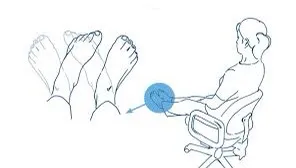
Walking and yoga are the most popular forms of exercise for arthritis patients, who can also incorporate all types of exercises to strengthen the body and increase range of motion under the supervision of a fitness / medical professional, according to Dr. Neeraj Mehta (Ph.D. Human Biomechanics & Alternative Medicine).
Arthritis management can benefit from regular physical exercise, which is essential for both physical and emotional well-being. To keep muscles around joints healthy, minimize bone loss, and regulate joint swelling and pain through regular exercise, it is important to engage in regular physical activity. Joint stiffness and soreness can be eased with regular exercise since it lubricates the joint cartilage.
Rheumatoid arthritis (RA) sufferers often find significant relief from their symptoms, including joint stiffness and pain, through regular physical activity.
People with RA who engage in regular physical activity may report decreased discomfort. In addition to reducing pain and improving joint function and flexibility, regular physical activity can also boost one’s mood and their overall well-being.
Muscle-building workouts include lifting weights, using resistance bands, and practicing yoga. These can be done at home, in a gym, or in a fitness facility. People with arthritis can benefit from stretching and yoga as well.
Most arthritis sufferers commonly ask themselves, “Why am I so stiff after getting up from a chair?”
Exercise, severe physical activity, or weight lifting can cause muscle stiffness. Getting out of bed in the morning or getting out of a chair after a lengthy period of sitting can also cause stiffness. Sprains and strains are the most common causes of muscular stiffness.
Arthritis pain and stiffness make it difficult to exercise. So, how do people with arthritis get up and move around? ‘ According to a research published by the CDC’s Morbidity and Mortality Weekly Report on October 8th, 2021, the majority of them walked to their destination. 87,000 persons in the United States with arthritis, the majority of whom were middle-aged or older, participated in a 2019 study asking about their physical activity habits. Nearly three-quarters (73%) of respondents said that walking was one of their two most common activities, even if they were suffering from acute joint pain. Taking part in any of these activities might help lessen the discomfort and exhaustion associated with arthritis. Walking at a brisk pace is an excellent cardiovascular workout that helps to reduce fatigue, inflammation, and excess weight (which contributes to arthritis pain). Strength training helps to alleviate joint discomfort by building stronger muscles that can better withstand joint pressure. Gardening helps to alleviate tension and exhaustion. Only a small percentage of people polled admitted to regularly partaking in low-impact hobbies like cycling or swimming. On the other hand, these exercises are excellent ways to burn calories without putting too much stress on your joints.
Can arthritis be reversed by exercise?
Working out does not repair any damage already done. Aside from keeping weight off, it also helps prevent arthritis from worsening. As a result, the joints that bear the brunt of the body’s weight may be adversely affected: The hips and knees.
Is it true that arthritis is made worse by a lack of physical activity?
Osteoporosis, diabetes, diabetes mellitus and arthritis are just a few of the health issues that can be caused by inactivity. Stiffness, fractures and even breaks can occur as a result of weaker muscles, joints and bones.
What is the best way to lubricate stiff joints?
Supplements high in DHA form of omega-3s can be found in salmon, trout, olive oil, almonds, avocados, and other foods high in omega-3s. Look at these wonderful joint protectors! For one thing, they may help alleviate the symptoms of osteoarthritis and rheumatism. Improve lubrication and reduce inflammation with these products (and thus pain)
Some useful links for the same topic:
https://www.versusarthritis.org/about-arthritis/exercising-with-arthritis/
https://www.healthline.com/health/exercises-for-arthritis
https://www.cdc.gov/arthritis/basics/physical-activity-overview.html
https://www.tylenol.com/symptoms/arthritis-pain-keep-moving/simple-arthritis-exercises
डॉ. नीरज मेहता, PhD (मानव बायोमैकेनिक्स एवं वैकल्पिक चिकित्सा) के अनुसार, चलना और योग गठिया के रोगियों के लिए व्यायाम के सर्वाधिक लोकप्रिय रूप हैं, जो किसी फिटनेस / चिकित्सा पेशेवर की देखरेख में शरीर को सशक्त बनाने और गति-सीमा (range of motion) बढ़ाने के लिए सभी प्रकार के व्यायाम भी शामिल कर सकते हैं।
नियमित शारीरिक व्यायाम से गठिया के प्रबंधन में लाभ मिल सकता है, जो शारीरिक और भावनात्मक, दोनों प्रकार के कल्याण के लिए अनिवार्य है। जोड़ों के आसपास की मांसपेशियों को स्वस्थ रखने, अस्थि-ह्रास को न्यूनतम करने, तथा नियमित व्यायाम के माध्यम से जोड़ों की सूजन और दर्द को नियंत्रित करने के लिए नियमित शारीरिक गतिविधि में संलग्न होना महत्वपूर्ण है। नियमित व्यायाम से जोड़ों की जकड़न और पीड़ा कम हो सकती है, क्योंकि यह जोड़ के उपास्थि (cartilage) को स्नेहित करता है।
रूमेटॉइड आर्थराइटिस (RA) से पीड़ित व्यक्तियों को प्रायः नियमित शारीरिक गतिविधि के माध्यम से जोड़ों की जकड़न और दर्द सहित अपने लक्षणों से उल्लेखनीय राहत मिलती है।
नियमित शारीरिक गतिविधि में संलग्न RA से ग्रस्त व्यक्ति असुविधा में कमी की सूचना दे सकते हैं। दर्द कम करने और जोड़ों की कार्यक्षमता तथा लचीलेपन में सुधार करने के अतिरिक्त, नियमित शारीरिक गतिविधि व्यक्ति की मनोदशा और उसके समग्र कल्याण को भी बढ़ा सकती है।
मांसपेशी-निर्माण वर्कआउट में वज़न उठाना, रेज़िस्टेंस बैंड का उपयोग करना और योग का अभ्यास करना शामिल है। इन्हें घर पर, जिम में या किसी फिटनेस केंद्र में किया जा सकता है। गठिया से ग्रस्त व्यक्ति स्ट्रेचिंग और योग से भी लाभ प्राप्त कर सकते हैं।
अधिकांश गठिया-पीड़ित प्रायः स्वयं से पूछते हैं, “कुर्सी से उठने के बाद मुझमें इतनी जकड़न क्यों होती है?”
व्यायाम, कठोर शारीरिक गतिविधि या वज़न उठाना मांसपेशियों में जकड़न का कारण बन सकता है। सुबह बिस्तर से उठना या लंबे समय तक बैठने के बाद कुर्सी से उठना भी जकड़न का कारण बन सकता है। मोच (sprains) और खिंचाव (strains) मांसपेशीय जकड़न के सबसे सामान्य कारण हैं।
गठिया का दर्द और जकड़न व्यायाम करना कठिन बना देते हैं। तो गठिया से ग्रस्त व्यक्ति उठकर चलते-फिरते कैसे हैं? ‘ 8 अक्टूबर 2021 को CDC की Morbidity and Mortality Weekly Report द्वारा प्रकाशित एक शोध के अनुसार, उनमें से अधिकांश पैदल अपने गंतव्य तक गए। संयुक्त राज्य अमेरिका में गठिया से ग्रस्त 87,000 व्यक्तियों ने, जिनमें से अधिकांश मध्यम आयु के या उससे अधिक आयु के थे, 2019 के एक अध्ययन में भाग लिया, जिसमें उनकी शारीरिक गतिविधि की आदतों के विषय में पूछा गया। लगभग तीन-चौथाई (73%) उत्तरदाताओं ने कहा कि चलना उनकी दो सबसे सामान्य गतिविधियों में से एक था, भले ही वे तीव्र जोड़-दर्द से पीड़ित थे। इनमें से किसी भी गतिविधि में भाग लेने से गठिया से जुड़ी असुविधा और थकान को कम करने में सहायता मिल सकती है। तेज़ गति से चलना एक उत्कृष्ट कार्डियोवैस्कुलर वर्कआउट है जो थकान, सूजन और अतिरिक्त वज़न (जो गठिया के दर्द में योगदान देता है) को कम करने में सहायता करता है। शक्ति प्रशिक्षण ऐसी अधिक सशक्त मांसपेशियाँ विकसित करके जोड़ों की असुविधा को कम करने में सहायता करता है, जो जोड़ों पर पड़ने वाले दबाव को बेहतर ढंग से सहन कर सकें। बागवानी तनाव और थकान को कम करने में सहायता करती है। सर्वेक्षण में शामिल लोगों में से केवल एक छोटे प्रतिशत ने साइकिल चलाने या तैराकी जैसी कम-प्रभाव (low-impact) वाली गतिविधियों में नियमित रूप से भाग लेने की बात स्वीकार की। दूसरी ओर, ये व्यायाम आपके जोड़ों पर अत्यधिक तनाव डाले बिना कैलोरी जलाने के उत्कृष्ट तरीके हैं।
क्या व्यायाम द्वारा गठिया को उलटा जा सकता है?
वर्कआउट करने से पहले से हुई किसी क्षति की मरम्मत नहीं होती। वज़न को नियंत्रित रखने के अतिरिक्त, यह गठिया को बिगड़ने से रोकने में भी सहायता करता है। परिणामस्वरूप, शरीर के भार का सर्वाधिक बोझ उठाने वाले जोड़ प्रतिकूल रूप से प्रभावित हो सकते हैं: कूल्हे और घुटने।
क्या यह सत्य है कि शारीरिक गतिविधि की कमी से गठिया और बिगड़ जाता है?
ऑस्टियोपोरोसिस, मधुमेह, डायबिटीज़ मेलिटस और गठिया उन अनेक स्वास्थ्य समस्याओं में से कुछ हैं जो निष्क्रियता के कारण हो सकती हैं। कमज़ोर मांसपेशियों, जोड़ों और हड्डियों के परिणामस्वरूप जकड़न, अस्थि-भंग (fractures) और यहाँ तक कि हड्डियों का टूटना भी हो सकता है।
जकड़े हुए जोड़ों को स्नेहित करने का सर्वोत्तम तरीका क्या है?
ओमेगा-3 के DHA रूप से भरपूर सप्लीमेंट्स सैल्मन, ट्राउट, जैतून के तेल, बादाम, एवोकाडो और ओमेगा-3 से भरपूर अन्य खाद्य पदार्थों में पाए जा सकते हैं। इन अद्भुत जोड़-संरक्षकों पर ध्यान दीजिए! एक बात तो यह कि ये ऑस्टियोआर्थराइटिस और गठिया-वात (rheumatism) के लक्षणों को कम करने में सहायक हो सकते हैं। इन उत्पादों से स्नेहन में सुधार करें और सूजन (और इस प्रकार दर्द) को कम करें
इसी विषय पर कुछ उपयोगी लिंक:
https://www.versusarthritis.org/about-arthritis/exercising-with-arthritis/
https://www.healthline.com/health/exercises-for-arthritis
https://www.cdc.gov/arthritis/basics/physical-activity-overview.html
https://www.tylenol.com/symptoms/arthritis-pain-keep-moving/simple-arthritis-exercises
Caminar y el yoga son las formas de ejercicio más populares entre los pacientes con artritis, quienes también pueden incorporar todo tipo de ejercicios para fortalecer el cuerpo y aumentar el rango de movimiento bajo la supervisión de un profesional del acondicionamiento físico o de la salud, según Dr. Neeraj Mehta, PhD (Biomecánica Humana y Medicina Alternativa).
El manejo de la artritis puede beneficiarse del ejercicio físico regular, que es esencial para el bienestar tanto físico como emocional. Para mantener sanos los músculos que rodean las articulaciones, reducir al mínimo la pérdida ósea y controlar la inflamación y el dolor articulares mediante el ejercicio regular, es importante practicar actividad física de forma habitual. La rigidez y el dolor articulares pueden aliviarse con ejercicio regular, ya que este lubrica el cartílago articular.
Las personas que padecen artritis reumatoide (AR) suelen encontrar un alivio significativo de sus síntomas, incluidos la rigidez y el dolor articulares, mediante la actividad física regular.
Las personas con AR que realizan actividad física regular pueden referir una disminución de las molestias. Además de reducir el dolor y mejorar la función y la flexibilidad articulares, la actividad física regular también puede mejorar el estado de ánimo y el bienestar general.
Entre los entrenamientos para desarrollar la musculatura se incluyen el levantamiento de pesas, el uso de bandas elásticas de resistencia y la práctica de yoga. Pueden realizarse en casa, en un gimnasio o en un centro de acondicionamiento físico. Las personas con artritis también pueden beneficiarse de los estiramientos y del yoga.
La mayoría de las personas con artritis se preguntan con frecuencia: «¿Por qué siento tanta rigidez al levantarme de una silla?»
El ejercicio, la actividad física intensa o el levantamiento de pesas pueden causar rigidez muscular. Levantarse de la cama por la mañana o de una silla tras un periodo prolongado sentado también puede provocar rigidez. Los esguinces y las distensiones son las causas más frecuentes de rigidez muscular.
El dolor y la rigidez de la artritis dificultan la práctica de ejercicio. Entonces, ¿cómo consiguen las personas con artritis levantarse y moverse? ‘ Según una investigación publicada en el Morbidity and Mortality Weekly Report de los CDC el 8 de octubre de 2021, la mayoría de ellas caminaba para desplazarse a su destino. En un estudio de 2019 sobre los hábitos de actividad física participaron 87,000 personas con artritis en Estados Unidos, la mayoría de mediana edad o mayores. Casi tres cuartas partes (73%) de los encuestados afirmaron que caminar era una de sus dos actividades más habituales, incluso cuando padecían dolor articular agudo. Participar en cualquiera de estas actividades puede ayudar a reducir las molestias y el agotamiento asociados a la artritis. Caminar a paso ligero es un excelente ejercicio cardiovascular que ayuda a reducir la fatiga, la inflamación y el exceso de peso (que contribuye al dolor artrítico). El entrenamiento de fuerza ayuda a aliviar las molestias articulares al desarrollar músculos más fuertes, capaces de soportar mejor la presión sobre las articulaciones. La jardinería ayuda a aliviar la tensión y el agotamiento. Solo un pequeño porcentaje de los encuestados reconoció practicar con regularidad actividades de bajo impacto como el ciclismo o la natación. Sin embargo, estos ejercicios son formas excelentes de quemar calorías sin someter a las articulaciones a un estrés excesivo.
¿Puede el ejercicio revertir la artritis?
Entrenar no repara el daño ya producido. Además de ayudar a controlar el peso, también contribuye a evitar que la artritis empeore. De lo contrario, las articulaciones que soportan la mayor parte del peso corporal pueden verse perjudicadas: las caderas y las rodillas.
¿Es cierto que la falta de actividad física empeora la artritis?
La osteoporosis, la diabetes, la diabetes mellitus y la artritis son solo algunos de los problemas de salud que puede causar la inactividad. Como consecuencia del debilitamiento de músculos, articulaciones y huesos, pueden producirse rigidez, fisuras e incluso fracturas.
¿Cuál es la mejor manera de lubricar las articulaciones rígidas?
Los ácidos grasos omega-3 en forma de DHA se encuentran en suplementos y en el salmón, la trucha, el aceite de oliva, las almendras, los aguacates y otros alimentos ricos en omega-3. ¡Estos son excelentes protectores articulares! Por un lado, pueden ayudar a aliviar los síntomas de la artrosis y del reumatismo. Mejoran la lubricación y reducen la inflamación (y, por tanto, el dolor)
Algunos enlaces útiles sobre el mismo tema:
https://www.versusarthritis.org/about-arthritis/exercising-with-arthritis/
https://www.healthline.com/health/exercises-for-arthritis
https://www.cdc.gov/arthritis/basics/physical-activity-overview.html
https://www.tylenol.com/symptoms/arthritis-pain-keep-moving/simple-arthritis-exercises
يُعدّ المشي واليوغا أكثر أشكال التمارين شيوعًا لدى مرضى التهاب المفاصل، الذين يمكنهم أيضًا إدراج جميع أنواع التمارين لتقوية الجسم وزيادة المدى الحركي تحت إشراف اختصاصي لياقة بدنية أو اختصاصي طبي، وفقًا لـ د. نيراج ميهتا، PhD (الميكانيكا الحيوية البشرية والطب البديل).
يمكن أن تستفيد إدارة التهاب المفاصل من التمارين البدنية المنتظمة، الضرورية للعافية البدنية والنفسية على حد سواء. وللحفاظ على صحة العضلات المحيطة بالمفاصل، والحد من فقدان الكتلة العظمية، والتحكم في تورّم المفاصل وألمها من خلال التمرين المنتظم، من المهم الانخراط في نشاط بدني منتظم. ويمكن تخفيف تيبّس المفاصل وآلامها بالتمرين المنتظم لأنه يُزلّق الغضروف المفصلي.
وكثيرًا ما يجد المصابون بالتهاب المفاصل الروماتويدي (RA) ارتياحًا ملحوظًا من أعراضهم، بما فيها تيبّس المفاصل وألمها، من خلال النشاط البدني المنتظم.
قد يُبلغ المصابون بالتهاب المفاصل الروماتويدي الذين يمارسون نشاطًا بدنيًا منتظمًا عن انخفاض في الانزعاج. وإلى جانب تخفيف الألم وتحسين وظيفة المفاصل ومرونتها، يمكن للنشاط البدني المنتظم أيضًا أن يحسّن المزاج والعافية العامة.
تشمل تمارين بناء العضلات رفع الأثقال، واستخدام أحزمة المقاومة المطاطية، وممارسة اليوغا. ويمكن أداء هذه التمارين في المنزل، أو في صالة رياضية، أو في مرفق للياقة البدنية. كما يمكن للمصابين بالتهاب المفاصل الاستفادة من تمارين الإطالة واليوغا.
يسأل معظم المصابين بالتهاب المفاصل أنفسهم عادةً: «لماذا أشعر بكل هذا التيبّس بعد النهوض من الكرسي؟»
يمكن أن يسبب التمرين أو النشاط البدني الشاق أو رفع الأثقال تيبّسًا في العضلات. كما يمكن أن يسبب النهوض من السرير صباحًا أو القيام من الكرسي بعد فترة جلوس طويلة تيبّسًا أيضًا. وتُعدّ الالتواءات والشدّات العضلية أكثر أسباب التيبّس العضلي شيوعًا.
يجعل ألم التهاب المفاصل وتيبّسها ممارسة التمارين أمرًا صعبًا. فكيف ينهض المصابون بالتهاب المفاصل ويتحركون؟ ‘ وفقًا لبحث نشره تقرير المراضة والوفيات الأسبوعي (Morbidity and Mortality Weekly Report) الصادر عن CDC في 8 أكتوبر 2021، كان معظمهم يمشون إلى وجهاتهم. وقد شارك 87,000 شخص في الولايات المتحدة مصابون بالتهاب المفاصل، معظمهم في منتصف العمر أو أكبر، في دراسة أُجريت عام 2019 تسأل عن عاداتهم في النشاط البدني. وأفاد ما يقارب ثلاثة أرباع المستجيبين (73%) بأن المشي كان أحد أكثر نشاطين شيوعًا لديهم، حتى وإن كانوا يعانون ألمًا مفصليًا حادًا. ويمكن أن تساعد المشاركة في أيٍّ من هذه الأنشطة على تخفيف الانزعاج والإنهاك المرتبطين بالتهاب المفاصل. ويُعدّ المشي بخطى سريعة تمرينًا قلبيًا وعائيًا ممتازًا يساعد على الحد من الإرهاق والالتهاب والوزن الزائد (الذي يسهم في ألم التهاب المفاصل). ويساعد تدريب القوة على تخفيف الانزعاج المفصلي من خلال بناء عضلات أقوى قادرة على تحمّل الضغط الواقع على المفاصل بصورة أفضل. وتساعد البستنة على تخفيف التوتر والإنهاك. ولم تعترف سوى نسبة صغيرة ممن شملهم الاستطلاع بممارسة هوايات منخفضة التأثير بانتظام، مثل ركوب الدراجات أو السباحة. ومن ناحية أخرى، تُعدّ هذه التمارين وسائل ممتازة لحرق السعرات الحرارية دون فرض إجهاد مفرط على المفاصل.
هل يمكن عكس التهاب المفاصل بالتمرين؟
لا تُصلح ممارسة التمارين أي ضرر وقع بالفعل. لكنها، إلى جانب المساعدة على التحكم في الوزن، تساعد أيضًا على منع تفاقم التهاب المفاصل. ونتيجة لذلك، قد تتأثر سلبًا المفاصل التي تتحمل العبء الأكبر من وزن الجسم: الوركان والركبتان.
هل صحيح أن قلة النشاط البدني تُفاقم التهاب المفاصل؟
إن هشاشة العظام وداء السكري وداء السكري من النوع المعروف (diabetes mellitus) والتهاب المفاصل ليست سوى أمثلة قليلة على المشكلات الصحية التي يمكن أن يسببها الخمول. ويمكن أن يحدث التيبّس والكسور بل والانكسارات نتيجة ضعف العضلات والمفاصل والعظام.
ما أفضل طريقة لتزليق المفاصل المتيبّسة؟
توجد المكمّلات الغنية بشكل DHA من أحماض أوميغا-3، كما توجد هذه الأحماض في السلمون والسلمون المرقّط وزيت الزيتون واللوز والأفوكادو وغيرها من الأطعمة الغنية بأوميغا-3. تأمّل هذه الحاميات الرائعة للمفاصل! فهي، من جهة، قد تساعد على تخفيف أعراض الفُصال العظمي (osteoarthritis) والروماتيزم. حسّن التزليق وقلّل الالتهاب بهذه المنتجات (ومن ثمّ الألم)
بعض الروابط المفيدة حول الموضوع نفسه:
https://www.versusarthritis.org/about-arthritis/exercising-with-arthritis/
https://www.healthline.com/health/exercises-for-arthritis
https://www.cdc.gov/arthritis/basics/physical-activity-overview.html
https://www.tylenol.com/symptoms/arthritis-pain-keep-moving/simple-arthritis-exercises