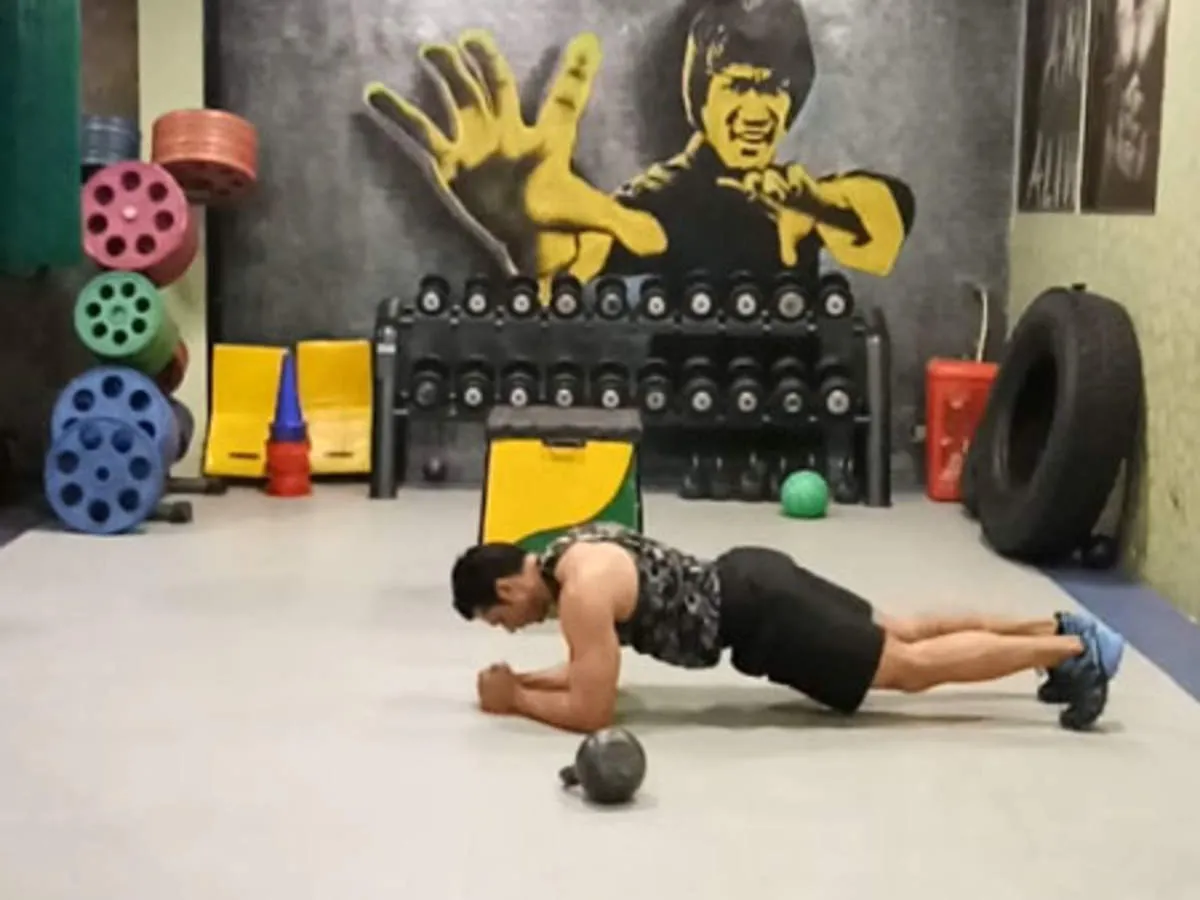
Shorter workouts lead to longer lives.
By: Dr. Neeraj Mehta
(Ph.D. in Human Biomechanics & Alternative Medicine)
There are many things that people think of when they think of exercise: long, boring gym sessions that last at least an hour or more. And I’m not the only one who thinks this way. I used to think that long workouts were better when I ran for miles and miles, then did 20 minutes or more of abs-focused training or something like that. As someone who thought more exercise was the only way to get in shape, I didn’t like it. I did it anyway because I thought that more exercise was the only way to get fit.
Initially, I thought this would be too hard to do in such a short amount of time. But I’ve seen and studied that short workouts may be just as effective as longer workouts (All it depends on how hard you perform, but you must listen to your body also).
Academics used to think that more movement meant a longer life, but after studying the lives of these Japanese artists, they found that this was not true.
If you work out for a short amount of time, you might live longer. If you park far away from a building or walk quickly to throw away your trash, you might be better off for your health. A new study says that taking more steps each day, whether in short bursts or all at once, may help people live longer.
The most important exercise science of recent year’s studies told us that our bodies and brains can thrive no matter what.
Some of the most important fitness news this year is about how little exercise we might be able to get away with while still being healthy. Studies show that there is little difference in long-term health markers like all-cause mortality, cardiovascular mortality, and cancer mortality when short bursts of exercise are compared to longer sessions.
In the long run, high-intensity exercise with short recovery periods, also known as HIIT (high-intensity interval training), leads to big changes in aerobic fitness. This is what I’ve come to believe: HIIT may have “dramatic” benefits for your aerobic fitness. People who get better at aerobic fitness will also be able to do more strenuous things.
It will help you normalize your appetite with shorter workout outfits.
There are many reasons why you might want to eat more after working out for hours at a time, but one of the most common is that you might start to think that you “deserve this.” This could set back your weight loss goals. Recent studies have shown that HIIT may actually make you eat less, while steady-state exercise may make you eat more.
The results of shorter sessions come out faster.
As a result of recent research, HIIT could help you become more fit in less than two weeks, and it could do the same thing for your heart and muscles as a steady-state exercise in half to one-third the time. Short but intense HIIT exercises may also speed up your metabolism, help your body burn more fat, and help you burn more calories in less time.
The shorter the workout, the better shape you’ll be in less time.
Tabata sprints: You could go for a million long runs to get ready for your race, which could cause overtraining or injury. You could also do a lot of Tabata sprints as part of your training. You’ll have to work harder during the sprints, but they’ll cut a lot of time off your workout and make it much faster to finish.
It’s a common question on Google: What do people ask about this?
When you do less work, it’s more efficient.
Because it doesn’t need to rest as much, its ability to use oxygen more efficiently improves. You can keep your heart rate up for longer. HIIT also causes post-exercise oxygen consumption, which is when your body needs more energy and oxygen after you exercise.
Is it better to work out for a long or short time?
There is, however, a lot of research that says short bursts of high-intensity interval training may be better than 45 minutes of less intense exercise. A lot of research has shown that short bursts of high-intensity interval training are better for you than 45 minutes of less intense exercise, which is what most people do.
Is a 20-minute workout enough?
Any workout you do, whether it lasts 10 minutes, 20 minutes, or longer, is a step toward becoming more fit and healthy. Yes, 20 minutes of exercise is better than none at all. There is a good chance that when you do physical activity or exercise you will get better at it and have a better time as well.
Is it true that if you exercise too much for a long time, your life will be shorter?
The long-term effects of a lot of hard work may be noticed.
Young people don’t pay as much attention to their joints and tissues as much as they should. However, the long-term damage is clear when your joints hurt and your muscles become weak because of all the wear and strain.
https://www.verywellfit.com/make-time-for-exercise-with-shorter-workouts-1229763
https://bmcendocrdisord.biomedcentral.com/articles/10.1186/1472-6823-9-3
https://www.healthline.com/health/fitness/fit-it-in-mini-workouts
https://www.bbc.com/news/health-47242940
https://www.quora.com/Is-a-short-high-intensity-workout-better-than-a-long-slow-duration
https://www.womenshealthmag.com/uk/fitness/workouts/a707801/hiit-workout-at-home/
2 Shorter Training Sessions Vs 1 Longer Training Session
BECOME CERTIFIED FITNESS TODAY: CLINCK THE LINK BELOW
Courses
#fitnesscoach #fitness #fitnessmotivation #personaltrainer #fitnessjourney #workout #fitnessgoals #gym #fitnessaddict #fitnesslifestyle #fitnesstrainer #motivation #fitnessmodel #fitnesslife #bodybuilding #healthylifestyle #fit #coach #fitnesstips #weightloss #fitfam #fitnessgirl #fitnessfreak #personaltraining #health #fitnessinspiration #training #fitnessbody #nutrition #bodygntx #bodyengineerneeraj #gffifitness #gffifitnessacademy #bestpersonaltrainer #certifiedtrainer #drneerajmehta #fitnessacademy #bmxstrength
छोटे वर्कआउट, लंबा जीवन।
लेखक: डॉ. नीरज मेहता, PhD
(मानव बायोमैकेनिक्स एवं वैकल्पिक चिकित्सा में Ph.D.)
व्यायाम के बारे में सोचते समय लोगों के मन में अनेक बातें आती हैं: लंबे, उबाऊ जिम सत्र जो कम से कम एक घंटे या उससे अधिक चलते हैं। और ऐसा सोचने वाला मैं अकेला नहीं हूँ। जब मैं मीलों-मील दौड़ता था और फिर 20 मिनट या उससे अधिक समय तक पेट की मांसपेशियों पर केंद्रित प्रशिक्षण या ऐसा ही कुछ करता था, तब मैं सोचता था कि लंबे वर्कआउट बेहतर होते हैं। एक ऐसे व्यक्ति के रूप में जो मानता था कि अधिक व्यायाम ही फिट होने का एकमात्र मार्ग है, मुझे यह पसंद नहीं था। फिर भी मैं यह करता रहा, क्योंकि मैं सोचता था कि फिट होने का एकमात्र तरीका अधिक व्यायाम ही है।
आरंभ में मुझे लगा कि इतने कम समय में यह करना बहुत कठिन होगा। परंतु मैंने देखा और अध्ययन किया है कि छोटे वर्कआउट भी लंबे वर्कआउट जितने ही प्रभावी हो सकते हैं (यह सब इस पर निर्भर करता है कि आप कितनी तीव्रता से व्यायाम करते हैं, परंतु आपको अपने शरीर के संकेतों पर भी ध्यान देना चाहिए)।
शिक्षाविद् पहले मानते थे कि अधिक गति का अर्थ है लंबा जीवन, परंतु इन जापानी कलाकारों के जीवन का अध्ययन करने के बाद उन्होंने पाया कि यह सत्य नहीं था।
यदि आप थोड़े समय के लिए व्यायाम करते हैं, तो आप अधिक समय तक जीवित रह सकते हैं। यदि आप किसी भवन से दूर गाड़ी पार्क करते हैं या कचरा फेंकने के लिए तेज़ी से चलकर जाते हैं, तो यह आपके स्वास्थ्य के लिए बेहतर हो सकता है। एक नए अध्ययन के अनुसार, प्रतिदिन अधिक कदम चलना — चाहे छोटी-छोटी अवधियों में हो या एक साथ — लोगों को अधिक समय तक जीवित रहने में सहायता कर सकता है।
हाल के वर्षों के अध्ययनों में व्यायाम विज्ञान की सबसे महत्वपूर्ण खोज ने हमें बताया कि हमारे शरीर और मस्तिष्क हर परिस्थिति में फल-फूल सकते हैं।
इस वर्ष के फिटनेस संबंधी कुछ सबसे महत्वपूर्ण समाचार इस बारे में हैं कि स्वस्थ रहते हुए हम कितने कम व्यायाम से काम चला सकते हैं। अध्ययन दर्शाते हैं कि जब व्यायाम की छोटी अवधियों की तुलना लंबे सत्रों से की जाती है, तो सर्व-कारण मृत्यु दर (all-cause mortality), हृदय-संवहनी मृत्यु दर और कैंसर मृत्यु दर जैसे दीर्घकालिक स्वास्थ्य मापकों में बहुत कम अंतर होता है।
दीर्घकाल में, छोटी रिकवरी अवधियों के साथ उच्च-तीव्रता वाला व्यायाम, जिसे HIIT (उच्च-तीव्रता अंतराल प्रशिक्षण, high-intensity interval training) भी कहा जाता है, एरोबिक फिटनेस में बड़े परिवर्तन लाता है। मेरा यह विश्वास बना है: HIIT से आपकी एरोबिक फिटनेस को "नाटकीय" लाभ हो सकते हैं। जिन लोगों की एरोबिक फिटनेस बेहतर होती है, वे अधिक श्रमसाध्य कार्य भी कर सकेंगे।
छोटे वर्कआउट आपकी भूख को सामान्य करने में सहायता करेंगे।
घंटों तक वर्कआउट करने के बाद अधिक खाने की इच्छा होने के अनेक कारण हो सकते हैं, परंतु सबसे सामान्य कारणों में से एक यह है कि आप सोचने लगते हैं कि "मैं इसका हक़दार हूँ।" इससे आपके वज़न घटाने के लक्ष्यों को धक्का लग सकता है। हाल के अध्ययनों से पता चला है कि HIIT वास्तव में आपको कम खाने के लिए प्रेरित कर सकता है, जबकि स्थिर-अवस्था (steady-state) व्यायाम आपको अधिक खाने के लिए प्रेरित कर सकता है।
छोटे सत्रों के परिणाम शीघ्र सामने आते हैं।
हाल के शोध के अनुसार, HIIT आपको दो सप्ताह से भी कम समय में अधिक फिट बनने में सहायता कर सकता है, और यह आपके हृदय और मांसपेशियों के लिए स्थिर-अवस्था व्यायाम के समान लाभ आधे से एक-तिहाई समय में दे सकता है। छोटे परंतु तीव्र HIIT व्यायाम आपके चयापचय को भी तेज़ कर सकते हैं, आपके शरीर को अधिक वसा जलाने में सहायता कर सकते हैं, और कम समय में अधिक कैलोरी जलाने में सहायक हो सकते हैं।
वर्कआउट जितना छोटा होगा, आप उतने ही कम समय में बेहतर स्थिति में होंगे।
टबाटा स्प्रिंट (Tabata sprints): अपनी दौड़-प्रतियोगिता की तैयारी के लिए आप अनगिनत लंबी दौड़ें लगा सकते हैं, जिससे अति-प्रशिक्षण (overtraining) या चोट हो सकती है। आप अपने प्रशिक्षण के भाग के रूप में बहुत सारे टबाटा स्प्रिंट भी कर सकते हैं। स्प्रिंट के दौरान आपको अधिक परिश्रम करना होगा, परंतु इनसे आपके वर्कआउट का बहुत-सा समय बचेगा और इसे पूरा करना कहीं अधिक तेज़ होगा।
यह Google पर पूछा जाने वाला एक सामान्य प्रश्न है: लोग इस बारे में क्या पूछते हैं?
जब आप कम कार्य करते हैं, तो वह अधिक दक्ष होता है।
चूँकि इसे उतने विश्राम की आवश्यकता नहीं होती, इसलिए ऑक्सीजन का अधिक दक्षता से उपयोग करने की इसकी क्षमता में सुधार होता है। आप अपनी हृदय गति को अधिक समय तक ऊँचा बनाए रख सकते हैं। HIIT व्यायाम-पश्चात् ऑक्सीजन उपभोग (post-exercise oxygen consumption) भी उत्पन्न करता है, जब व्यायाम के बाद आपके शरीर को अधिक ऊर्जा और ऑक्सीजन की आवश्यकता होती है।
लंबे समय तक वर्कआउट करना बेहतर है या कम समय तक?
हालाँकि, ऐसे अनेक शोध हैं जो बताते हैं कि उच्च-तीव्रता अंतराल प्रशिक्षण की छोटी अवधियाँ 45 मिनट के कम तीव्र व्यायाम से बेहतर हो सकती हैं। अनेक शोधों से पता चला है कि उच्च-तीव्रता अंतराल प्रशिक्षण की छोटी अवधियाँ 45 मिनट के कम तीव्र व्यायाम की तुलना में आपके लिए बेहतर हैं, जो अधिकांश लोग करते हैं।
क्या 20 मिनट का वर्कआउट पर्याप्त है?
आप जो भी वर्कआउट करते हैं, चाहे वह 10 मिनट का हो, 20 मिनट का हो या उससे अधिक, वह अधिक फिट और स्वस्थ बनने की दिशा में एक कदम है। हाँ, 20 मिनट का व्यायाम बिल्कुल न करने से बेहतर है। इसकी प्रबल संभावना है कि जब आप शारीरिक गतिविधि या व्यायाम करेंगे, तो आप उसमें बेहतर होते जाएँगे और उसका अधिक आनंद भी लेंगे।
क्या यह सत्य है कि यदि आप लंबे समय तक अत्यधिक व्यायाम करते हैं, तो आपका जीवन छोटा हो जाएगा?
अत्यधिक कठोर परिश्रम के दीर्घकालिक प्रभाव दिखाई दे सकते हैं।
युवा लोग अपने जोड़ों और ऊतकों पर उतना ध्यान नहीं देते जितना उन्हें देना चाहिए। किंतु जब घिसाव और तनाव के कारण आपके जोड़ों में दर्द होता है और आपकी मांसपेशियाँ कमज़ोर हो जाती हैं, तब दीर्घकालिक क्षति स्पष्ट हो जाती है।
https://www.verywellfit.com/make-time-for-exercise-with-shorter-workouts-1229763
https://bmcendocrdisord.biomedcentral.com/articles/10.1186/1472-6823-9-3
https://www.healthline.com/health/fitness/fit-it-in-mini-workouts
https://www.bbc.com/news/health-47242940
https://www.quora.com/Is-a-short-high-intensity-workout-better-than-a-long-slow-duration
https://www.womenshealthmag.com/uk/fitness/workouts/a707801/hiit-workout-at-home/
2 छोटे प्रशिक्षण सत्र बनाम 1 लंबा प्रशिक्षण सत्र
आज ही प्रमाणित फिटनेस पेशेवर बनें: नीचे दिए गए लिंक पर क्लिक करें
पाठ्यक्रम
#fitnesscoach #fitness #fitnessmotivation #personaltrainer #fitnessjourney #workout #fitnessgoals #gym #fitnessaddict #fitnesslifestyle #fitnesstrainer #motivation #fitnessmodel #fitnesslife #bodybuilding #healthylifestyle #fit #coach #fitnesstips #weightloss #fitfam #fitnessgirl #fitnessfreak #personaltraining #health #fitnessinspiration #training #fitnessbody #nutrition #bodygntx #bodyengineerneeraj #gffifitness #gffifitnessacademy #bestpersonaltrainer #certifiedtrainer #drneerajmehta #fitnessacademy #bmxstrength
Entrenamientos más cortos, vidas más largas.
Por: Dr. Neeraj Mehta, PhD
(PhD en Biomecánica Humana y Medicina Alternativa)
Cuando se piensa en el ejercicio, a muchas personas les vienen a la mente sesiones de gimnasio largas y tediosas que duran al menos una hora o más. Y no soy el único que lo piensa. Yo solía creer que los entrenamientos largos eran mejores, cuando corría millas y millas y después dedicaba 20 minutos o más a un entrenamiento centrado en los abdominales o algo similar. Como alguien convencido de que más ejercicio era la única forma de ponerse en forma, no lo disfrutaba. Aun así, lo hacía porque creía que más ejercicio era la única manera de estar en forma.
Al principio pensé que sería demasiado difícil lograrlo en tan poco tiempo. Sin embargo, he observado y estudiado que los entrenamientos cortos pueden ser tan eficaces como los más largos (todo depende de la intensidad con la que se realicen, aunque también es preciso escuchar al propio cuerpo).
Los académicos solían pensar que más movimiento significaba una vida más larga, pero tras estudiar la vida de estos artistas japoneses comprobaron que no era así.
Si entrena durante un periodo breve, es posible que viva más. Si aparca lejos de un edificio o camina a paso rápido para tirar la basura, podría beneficiar su salud. Un nuevo estudio indica que dar más pasos cada día, ya sea en breves intervalos o de una sola vez, puede ayudar a las personas a vivir más.
Los estudios más relevantes de la ciencia del ejercicio de los últimos años nos han mostrado que nuestro cuerpo y nuestro cerebro pueden prosperar en cualquier circunstancia.
Algunas de las noticias más importantes del año en materia de fitness se refieren a la escasa cantidad de ejercicio que podría bastarnos para mantenernos sanos. Los estudios muestran que apenas existen diferencias en los marcadores de salud a largo plazo, como la mortalidad por todas las causas, la mortalidad cardiovascular y la mortalidad por cáncer, cuando se comparan breves sesiones de ejercicio con sesiones más prolongadas.
A largo plazo, el ejercicio de alta intensidad con periodos breves de recuperación, también conocido como HIIT (entrenamiento interválico de alta intensidad), produce cambios notables en la aptitud aeróbica. A esta conclusión he llegado: el HIIT puede aportar beneficios “espectaculares” a su aptitud aeróbica. Las personas que mejoran su aptitud aeróbica también serán capaces de realizar actividades más exigentes.
Los entrenamientos más cortos le ayudarán a normalizar el apetito.
Existen muchas razones por las que podría desear comer más después de entrenar durante horas, pero una de las más frecuentes es que puede empezar a pensar que “se lo merece”. Esto podría frustrar sus objetivos de pérdida de peso. Estudios recientes han demostrado que el HIIT puede, de hecho, hacer que coma menos, mientras que el ejercicio de intensidad constante puede hacer que coma más.
Los resultados de las sesiones más cortas se obtienen con mayor rapidez.
Según investigaciones recientes, el HIIT podría ayudarle a mejorar su condición física en menos de dos semanas y podría producir en su corazón y sus músculos los mismos efectos que un ejercicio de intensidad constante en la mitad o un tercio del tiempo. Los ejercicios HIIT breves pero intensos también pueden acelerar su metabolismo, ayudar a su organismo a quemar más grasa y permitirle quemar más calorías en menos tiempo.
Cuanto más corto sea el entrenamiento, mejor forma alcanzará en menos tiempo.
Sprints Tabata: podría realizar un sinfín de carreras largas para prepararse para su competición, lo que podría provocar sobreentrenamiento o lesiones. También podría incluir numerosos sprints Tabata en su entrenamiento. Tendrá que esforzarse más durante los sprints, pero reducirán considerablemente la duración de su entrenamiento y le permitirán terminarlo mucho antes.
Es una pregunta frecuente en Google: ¿qué se pregunta la gente al respecto?
Cuando se realiza menos trabajo, este resulta más eficiente.
Como no necesita descansar tanto, mejora su capacidad para utilizar el oxígeno de manera más eficiente. Puede mantener la frecuencia cardíaca elevada durante más tiempo. El HIIT también provoca un consumo de oxígeno posejercicio, es decir, el momento en que el organismo necesita más energía y oxígeno tras el ejercicio.
¿Es mejor entrenar durante mucho o poco tiempo?
No obstante, numerosas investigaciones indican que los breves intervalos de entrenamiento interválico de alta intensidad pueden ser mejores que 45 minutos de ejercicio menos intenso. Muchas investigaciones han demostrado que los breves intervalos de entrenamiento interválico de alta intensidad son más beneficiosos que 45 minutos de ejercicio menos intenso, que es lo que hace la mayoría de las personas.
¿Es suficiente un entrenamiento de 20 minutos?
Cualquier entrenamiento que realice, ya dure 10 minutos, 20 minutos o más, es un paso hacia una mejor condición física y una mejor salud. Sí, 20 minutos de ejercicio son mejores que ninguno. Es muy probable que, al practicar actividad física o ejercicio, mejore en ello y además lo disfrute más.
¿Es cierto que, si se hace demasiado ejercicio durante mucho tiempo, la vida será más corta?
Los efectos a largo plazo de un gran esfuerzo pueden llegar a notarse.
Los jóvenes no prestan a sus articulaciones y tejidos tanta atención como deberían. Sin embargo, el daño a largo plazo se hace evidente cuando las articulaciones duelen y los músculos se debilitan a causa del desgaste y la sobrecarga acumulados.
https://www.verywellfit.com/make-time-for-exercise-with-shorter-workouts-1229763
https://bmcendocrdisord.biomedcentral.com/articles/10.1186/1472-6823-9-3
https://www.healthline.com/health/fitness/fit-it-in-mini-workouts
https://www.bbc.com/news/health-47242940
https://www.quora.com/Is-a-short-high-intensity-workout-better-than-a-long-slow-duration
https://www.womenshealthmag.com/uk/fitness/workouts/a707801/hiit-workout-at-home/
2 sesiones de entrenamiento más cortas frente a 1 sesión más larga
OBTENGA HOY SU CERTIFICACIÓN EN FITNESS: HAGA CLIC EN EL ENLACE SIGUIENTE
Cursos
#fitnesscoach #fitness #fitnessmotivation #personaltrainer #fitnessjourney #workout #fitnessgoals #gym #fitnessaddict #fitnesslifestyle #fitnesstrainer #motivation #fitnessmodel #fitnesslife #bodybuilding #healthylifestyle #fit #coach #fitnesstips #weightloss #fitfam #fitnessgirl #fitnessfreak #personaltraining #health #fitnessinspiration #training #fitnessbody #nutrition #bodygntx #bodyengineerneeraj #gffifitness #gffifitnessacademy #bestpersonaltrainer #certifiedtrainer #drneerajmehta #fitnessacademy #bmxstrength
التمارين الأقصر تؤدي إلى أعمار أطول.
بقلم: د. نيراج ميهتا، PhD
(دكتوراه في الميكانيكا الحيوية البشرية والطب البديل)
حين يفكر الناس في التمارين، يتبادر إلى أذهانهم أمور كثيرة: جلسات طويلة ومملة في صالة الألعاب الرياضية تدوم ساعة أو أكثر على الأقل. ولست الوحيد الذي يفكر بهذه الطريقة. فقد كنت أعتقد أن التمارين الطويلة أفضل، حين كنت أجري أميالًا وأميالًا، ثم أؤدي 20 دقيقة أو أكثر من التدريب المركّز على عضلات البطن أو ما شابه ذلك. وبوصفي شخصًا كان يظن أن مزيدًا من التمارين هو السبيل الوحيد لاكتساب اللياقة، لم أكن أستمتع بذلك. ومع ذلك واظبت عليه لأنني ظننت أن مزيدًا من التمارين هو الطريق الوحيد إلى اللياقة.
في البداية، ظننت أن هذا سيكون أصعب من أن يُنجز في مدة قصيرة كهذه. لكنني رأيت ودرست أن التمارين القصيرة قد تكون بفعالية التمارين الأطول نفسها (فالأمر كله يتوقف على مدى شدة أدائك، لكن عليك أيضًا أن تُصغي إلى جسدك).
كان الأكاديميون يعتقدون أن مزيدًا من الحركة يعني عمرًا أطول، لكنهم بعد دراسة حياة هؤلاء الفنانين اليابانيين وجدوا أن ذلك غير صحيح.
إذا تمرّنت لمدة قصيرة، فقد تعيش مدة أطول. وإذا ركنت سيارتك بعيدًا عن المبنى أو مشيت بسرعة للتخلص من نفاياتك، فقد يكون ذلك أفضل لصحتك. وتفيد دراسة جديدة بأن زيادة عدد الخطوات اليومية، سواء في نوبات قصيرة أو دفعة واحدة، قد تساعد الناس على العيش مدة أطول.
أخبرتنا أهم دراسات علوم التمرين في السنوات الأخيرة بأن أجسامنا وأدمغتنا يمكنها أن تزدهر مهما كانت الظروف.
ومن أهم أخبار اللياقة البدنية هذا العام ما يتعلق بالحد الأدنى من التمارين الذي قد يكفينا مع الحفاظ على صحتنا. إذ تُظهر الدراسات أن الفرق ضئيل في مؤشرات الصحة طويلة الأمد، مثل الوفيات لجميع الأسباب (all-cause mortality)، والوفيات القلبية الوعائية، والوفيات الناجمة عن السرطان، عند مقارنة النوبات القصيرة من التمارين بالجلسات الأطول.
على المدى الطويل، يؤدي التمرين عالي الشدة مع فترات تعافٍ قصيرة، المعروف أيضًا باسم التدريب المتقطع عالي الشدة (HIIT – high-intensity interval training)، إلى تغيرات كبيرة في اللياقة الهوائية. وهذا ما بتّ أعتقده: قد يحقق التدريب المتقطع عالي الشدة فوائد «لافتة» للياقتك الهوائية. ومن يتحسّن في لياقته الهوائية سيتمكن أيضًا من أداء أنشطة أكثر إجهادًا.
ستساعدك التمارين الأقصر على ضبط شهيتك.
ثمة أسباب كثيرة قد تدفعك إلى تناول مزيد من الطعام بعد ساعات متواصلة من التمرين، لكن من أكثرها شيوعًا أنك قد تبدأ بالتفكير بأنك «تستحق ذلك». وقد يعيق هذا أهدافك في إنقاص الوزن. وقد أظهرت دراسات حديثة أن التدريب المتقطع عالي الشدة قد يجعلك تأكل أقل فعلًا، في حين قد يجعلك التمرين ذو الشدة الثابتة (steady-state) تأكل أكثر.
تظهر نتائج الجلسات الأقصر على نحو أسرع.
وبناءً على أبحاث حديثة، قد يساعدك التدريب المتقطع عالي الشدة على تحسين لياقتك في أقل من أسبوعين، وقد يحقق لقلبك وعضلاتك ما يحققه التمرين ذو الشدة الثابتة في نصف الوقت إلى ثلثه. كما قد تسرّع تمارين التدريب المتقطع عالي الشدة القصيرة والمكثفة استقلابك، وتساعد جسمك على حرق مزيد من الدهون، وتساعدك على حرق مزيد من السعرات الحرارية في وقت أقل.
كلما قصر التمرين، بلغت لياقة أفضل في وقت أقل.
عدْو تاباتا (Tabata sprints): يمكنك أن تؤدي ما لا يُحصى من الجريات الطويلة استعدادًا لسباقك، وهو ما قد يسبّب الإفراط في التدريب أو الإصابة. ويمكنك أيضًا أن تُدرج كثيرًا من عدْو تاباتا ضمن تدريبك. وسيتعيّن عليك بذل جهد أكبر أثناء العدْو، لكنه سيختصر كثيرًا من وقت تمرينك ويجعل إنهاءه أسرع بكثير.
إنه سؤال شائع على Google: ما الذي يسأل عنه الناس في هذا الشأن؟
عندما تؤدي عملًا أقل، يكون الأداء أكثر كفاءة.
ولأنه لا يحتاج إلى قدر كبير من الراحة، تتحسن قدرته على استخدام الأكسجين بكفاءة أكبر، ويمكنك الحفاظ على ارتفاع معدل ضربات قلبك مدة أطول. كما يُحدث التدريب المتقطع عالي الشدة استهلاكًا للأكسجين بعد التمرين (post-exercise oxygen consumption)، أي حين يحتاج جسمك إلى مزيد من الطاقة والأكسجين بعد التمرين.
هل الأفضل التمرّن لمدة طويلة أم قصيرة؟
ثمة، مع ذلك، أبحاث كثيرة تفيد بأن النوبات القصيرة من التدريب المتقطع عالي الشدة قد تكون أفضل من 45 دقيقة من التمارين الأقل شدة. وقد أظهرت أبحاث كثيرة أن النوبات القصيرة من التدريب المتقطع عالي الشدة أفضل لك من 45 دقيقة من التمارين الأقل شدة، وهو ما يمارسه معظم الناس.
هل يكفي تمرين مدته 20 دقيقة؟
أي تمرين تؤديه، سواء استغرق 10 دقائق أو 20 دقيقة أو أكثر، هو خطوة نحو لياقة وصحة أفضل. نعم، 20 دقيقة من التمارين أفضل من لا شيء على الإطلاق. ومن المرجّح أنك حين تمارس النشاط البدني أو التمارين ستتحسن فيها وستستمتع بها أكثر أيضًا.
هل صحيح أنك إذا أفرطت في التمرين لمدة طويلة فسيقصر عمرك؟
قد تُلاحظ الآثار طويلة الأمد للعمل الشاق المفرط.
لا يولي الشباب مفاصلهم وأنسجتهم ما ينبغي من الاهتمام. غير أن الضرر طويل الأمد يتضح حين تؤلمك مفاصلك وتضعف عضلاتك بفعل كل ذلك الاهتراء والإجهاد.
https://www.verywellfit.com/make-time-for-exercise-with-shorter-workouts-1229763
https://bmcendocrdisord.biomedcentral.com/articles/10.1186/1472-6823-9-3
https://www.healthline.com/health/fitness/fit-it-in-mini-workouts
https://www.bbc.com/news/health-47242940
https://www.quora.com/Is-a-short-high-intensity-workout-better-than-a-long-slow-duration
https://www.womenshealthmag.com/uk/fitness/workouts/a707801/hiit-workout-at-home/
جلستا تدريب أقصر مقابل جلسة تدريب واحدة أطول
احصل على شهادة اللياقة البدنية اليوم: انقر الرابط أدناه
الدورات
#fitnesscoach #fitness #fitnessmotivation #personaltrainer #fitnessjourney #workout #fitnessgoals #gym #fitnessaddict #fitnesslifestyle #fitnesstrainer #motivation #fitnessmodel #fitnesslife #bodybuilding #healthylifestyle #fit #coach #fitnesstips #weightloss #fitfam #fitnessgirl #fitnessfreak #personaltraining #health #fitnessinspiration #training #fitnessbody #nutrition #bodygntx #bodyengineerneeraj #gffifitness #gffifitnessacademy #bestpersonaltrainer #certifiedtrainer #drneerajmehta #fitnessacademy #bmxstrength