
Basic Questions Answered for Sprain & Strains by Dr. Neeraj Mehta (Ph.D. Human Biomechanics & Alternative Medicine)
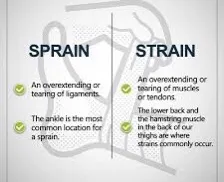
There are two types of injuries that can result from overuse: sprains affect the ligaments or bands of tissue that connect two bones, and strains affect muscles or the band of tissue that attaches one muscle to an adjacent bone.
There are two types of injuries that can lead to an injury: sprain and strain.
As a sprain occurs, you may feel a tearing or popping sensation in the joint. If the joint is stiff or unstable, it will be difficult to move. When you strain a muscle, you may experience spasms or cramping in that particular area. Sprain and strain are more difficult to treat the more severe they are.
Muscle strains and pulls can be difficult to tell apart.
Swelling, bruising, or redness as a result of the injury are all symptoms of muscle strain.
Pain that is not actively being felt.
When a specific muscle or joint in relation to that muscle is activated, the resulting pain can be felt.
Resistance in the muscles and tendons.
Inability to use the muscle in any way whatsoever.
Does a strain heal faster than a sprain, or the other way around?
Sometimes, a strain is described as a “pulled muscle.” Though it may take a few weeks for muscle strain to heal, re-injury is possible. Whenever the ligaments (tissue bands that hold bones together in joints) stretch or tear, we call that an injury we call a sprain. Sprains usually take 4–6 weeks to heal, but they can take up to a month.
How can you tell if a sprain is severe?
Ankle sprains that are more severe than a mild strain should be treated by a doctor if the patient is unable to bear weight on the foot without significant pain.
A strained muscle can be treated in many ways.
For the first few days following an injury, apply ice to the strained muscle. Acetaminophen (Tylenol), an anti-inflammatory drug, can also help with swelling and pain reduction. Applying heat to the muscle will help ease the discomfort. Stretching and light exercises that increase blood flow to the injured area can also be beneficial in the long run.
Has a muscle been pulled?
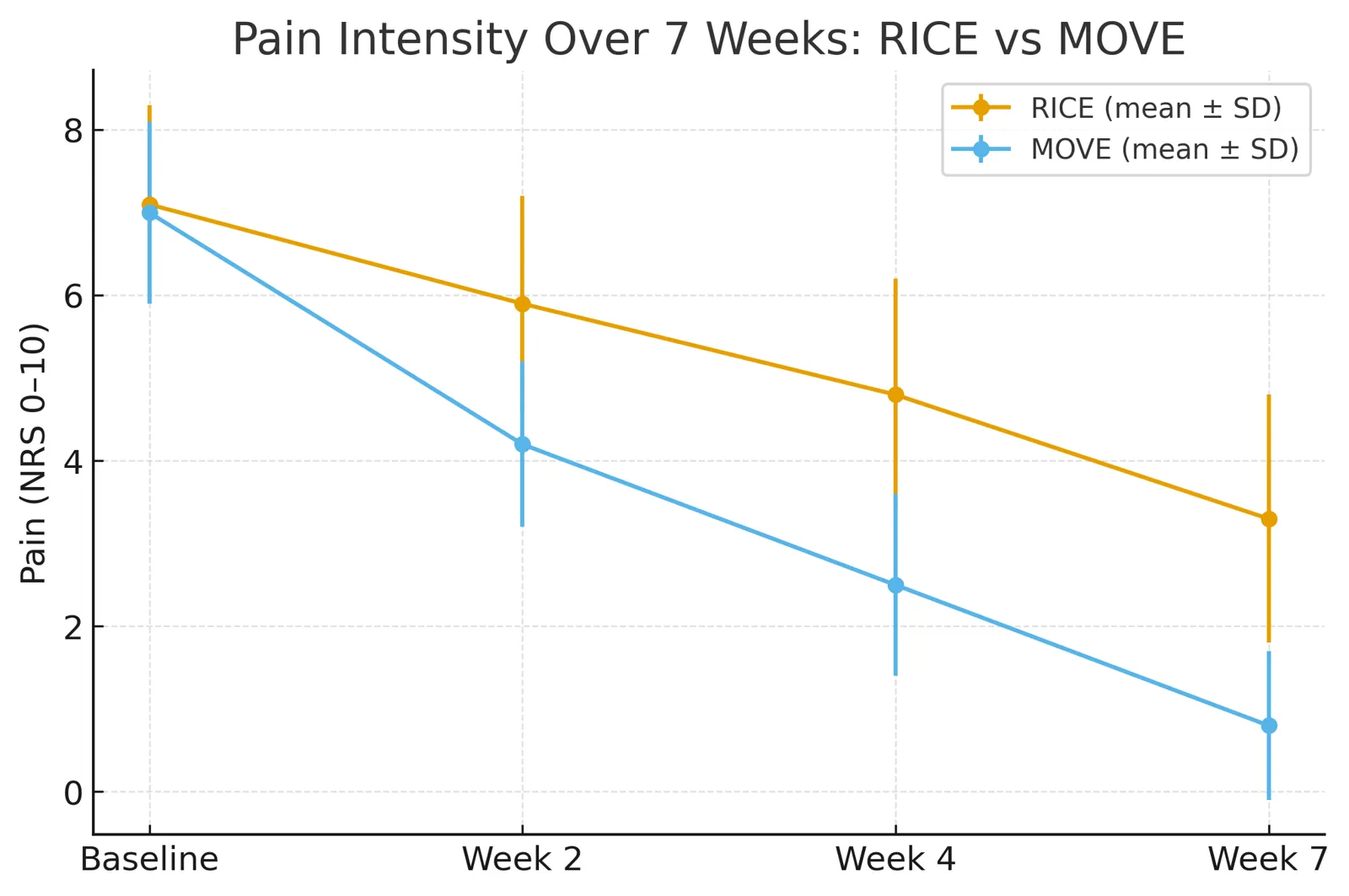
When dealing with a muscle injury, the R.I.C.E. method is the first thing that should be used to treat it. During the first 72 hours, heat should be avoided to avoid swollen and inflamed skin. Once the first 72 hours have passed, heat can be added to the treatment to help the body’s natural healing process.
Is it true that drinking water can alleviate the pain of a sore muscle?
Physical therapy patients recovering from injury or surgery need to stay well hydrated to make the most of their sessions. When we drink water, we flush toxins from our bodies and replenish our cells with vital nutrients. Water also aids in temperature control and pH balance in the body. Muscle soreness and tension can also be alleviated by drinking water.
On one’s own, can a muscle tear be healed?
Resuming normal activities is possible once the patient has regained full range of motion and no pain is present. Tears of a moderate severity may necessitate physical therapy. Surgical repair can take months or even years to complete in cases where a severe tear has occurred. Keep in mind the adage, “Do not HARM.” in this case.
स्प्रेन और स्ट्रेन से संबंधित मूलभूत प्रश्नों के उत्तर, डॉ. नीरज मेहता, PhD (Ph.D. ह्यूमन बायोमैकेनिक्स एवं वैकल्पिक चिकित्सा) द्वारा
अति-उपयोग (overuse) से दो प्रकार की चोटें हो सकती हैं: स्प्रेन (मोच, sprain) स्नायुबंधनों (ligaments) अर्थात दो अस्थियों को जोड़ने वाले ऊतक-बंधों को प्रभावित करता है, और स्ट्रेन (खिंचाव, strain) मांसपेशियों या ऊतक के उस बंध को प्रभावित करता है जो किसी मांसपेशी को समीपवर्ती अस्थि से जोड़ता है।
दो प्रकार की चोटें ऐसी हैं जिनसे क्षति हो सकती है: स्प्रेन और स्ट्रेन।
स्प्रेन होते समय आपको संधि में फटने या चटकने जैसी अनुभूति हो सकती है। यदि संधि कड़ी या अस्थिर है, तो उसे हिलाना कठिन होगा। जब आपकी किसी मांसपेशी में स्ट्रेन होता है, तो आपको उस विशेष क्षेत्र में ऐंठन (spasm) या मरोड़ (cramping) का अनुभव हो सकता है। स्प्रेन और स्ट्रेन जितने अधिक गंभीर होते हैं, उनका उपचार उतना ही कठिन होता है।
मांसपेशी स्ट्रेन और मांसपेशी खिंचाव (pull) के बीच अंतर करना कठिन हो सकता है।
चोट के परिणामस्वरूप सूजन, नील पड़ना या लालिमा, ये सभी मांसपेशी स्ट्रेन के लक्षण हैं।
ऐसा दर्द जो सक्रिय रूप से अनुभव नहीं हो रहा हो।
जब कोई विशेष मांसपेशी या उस मांसपेशी से संबंधित संधि सक्रिय होती है, तब उत्पन्न दर्द अनुभव किया जा सकता है।
मांसपेशियों और कंडराओं (tendons) में प्रतिरोध।
मांसपेशी का किसी भी प्रकार से उपयोग कर पाने में असमर्थता।
क्या स्ट्रेन स्प्रेन की तुलना में शीघ्र ठीक होता है, या इसके विपरीत?
कभी-कभी स्ट्रेन को "खिंची हुई मांसपेशी (pulled muscle)" कहा जाता है। यद्यपि मांसपेशी स्ट्रेन को ठीक होने में कुछ सप्ताह लग सकते हैं, फिर भी पुनः चोट लगना संभव है। जब भी स्नायुबंधन (वे ऊतक-बंध जो संधियों में अस्थियों को परस्पर जोड़े रखते हैं) खिंचते या फटते हैं, उस चोट को हम स्प्रेन कहते हैं। स्प्रेन को ठीक होने में सामान्यतः 4–6 सप्ताह लगते हैं, परंतु इसमें एक महीने तक का समय लग सकता है।
आप कैसे जान सकते हैं कि स्प्रेन गंभीर है?
हल्के स्ट्रेन से अधिक गंभीर टखने के स्प्रेन का उपचार चिकित्सक द्वारा कराया जाना चाहिए, यदि रोगी उल्लेखनीय दर्द के बिना पैर पर भार नहीं डाल पा रहा हो।
स्ट्रेन वाली मांसपेशी का उपचार अनेक प्रकार से किया जा सकता है।
चोट के बाद पहले कुछ दिनों तक स्ट्रेन वाली मांसपेशी पर बर्फ़ लगाएँ। सूजनरोधी औषधि एसिटामिनोफ़ेन (Acetaminophen, Tylenol) भी सूजन और दर्द कम करने में सहायक हो सकती है। मांसपेशी पर ताप देने से असुविधा में राहत मिलेगी। स्ट्रेचिंग और ऐसे हल्के व्यायाम जो चोटग्रस्त क्षेत्र में रक्त प्रवाह बढ़ाते हैं, दीर्घकाल में लाभकारी हो सकते हैं।
क्या किसी मांसपेशी में खिंचाव आया है?
मांसपेशी की चोट से निपटते समय उपचार के लिए सबसे पहले R.I.C.E. पद्धति का उपयोग किया जाना चाहिए। पहले 72 घंटों के दौरान सूजी हुई और प्रदाहित त्वचा से बचने के लिए ताप से बचना चाहिए। पहले 72 घंटे बीत जाने के बाद, शरीर की प्राकृतिक उपचार प्रक्रिया में सहायता के लिए उपचार में ताप को सम्मिलित किया जा सकता है।
क्या यह सत्य है कि पानी पीने से पीड़ायुक्त मांसपेशी का दर्द कम हो सकता है?
चोट या शल्य-क्रिया से उबर रहे फ़िज़िकल थेरेपी के रोगियों को अपने सत्रों का अधिकतम लाभ उठाने के लिए भली-भाँति जलयोजित रहना आवश्यक है। जब हम पानी पीते हैं, तो हम अपने शरीर से विषाक्त पदार्थों को बाहर निकालते हैं और अपनी कोशिकाओं को महत्वपूर्ण पोषक तत्वों से पुनः पूरित करते हैं। पानी शरीर में तापमान नियंत्रण और pH संतुलन में भी सहायक होता है। पानी पीने से मांसपेशियों की पीड़ा और तनाव में भी राहत मिल सकती है।
क्या मांसपेशी का फटना (muscle tear) स्वयं ठीक हो सकता है?
जब रोगी पूर्ण गति-परास (range of motion) पुनः प्राप्त कर ले और दर्द न रहे, तब सामान्य गतिविधियाँ पुनः आरंभ करना संभव है। मध्यम गंभीरता के फटने में फ़िज़िकल थेरेपी की आवश्यकता हो सकती है। गंभीर फटने की स्थिति में शल्य-चिकित्सीय मरम्मत पूर्ण होने में महीनों या वर्षों तक का समय लग सकता है। इस मामले में "Do not HARM" (हानि न पहुँचाएँ) की उक्ति को ध्यान में रखें।
Respuestas a las preguntas básicas sobre esguinces y distensiones, por Dr. Neeraj Mehta, PhD (Ph.D. en Biomecánica Humana y Medicina Alternativa)
Existen dos tipos de lesiones que pueden derivarse del uso excesivo: los esguinces (sprains) afectan a los ligamentos, es decir, a las bandas de tejido que unen dos huesos, y las distensiones (strains) afectan a los músculos o a la banda de tejido que une un músculo con el hueso adyacente.
Existen dos tipos de lesiones que pueden dar lugar a un daño: el esguince y la distensión.
Cuando se produce un esguince, puede sentir una sensación de desgarro o un chasquido en la articulación. Si la articulación está rígida o inestable, resultará difícil moverla. Cuando sufre una distensión muscular, puede experimentar espasmos o calambres en esa zona concreta. Cuanto más graves son el esguince y la distensión, más difícil resulta tratarlos.
Las distensiones y los tirones musculares pueden ser difíciles de diferenciar.
La hinchazón, los hematomas o el enrojecimiento derivados de la lesión son síntomas de una distensión muscular.
Dolor que no se percibe en reposo.
El dolor resultante puede percibirse cuando se activa un músculo concreto o una articulación relacionada con dicho músculo.
Resistencia en los músculos y tendones.
Incapacidad para utilizar el músculo de cualquier forma.
¿Cura antes una distensión que un esguince, o es al revés?
En ocasiones, la distensión se describe como un «tirón muscular». Aunque una distensión muscular puede tardar algunas semanas en curar, es posible que se produzca una nueva lesión. Cuando los ligamentos (bandas de tejido que mantienen unidos los huesos en las articulaciones) se estiran o se desgarran, denominamos a esa lesión esguince. Los esguinces suelen tardar entre 4 y 6 semanas en curar, pero pueden tardar hasta un mes.
¿Cómo saber si un esguince es grave?
Los esguinces de tobillo más graves que una distensión leve deben ser tratados por un médico si el paciente no puede apoyar peso sobre el pie sin un dolor significativo.
Una distensión muscular puede tratarse de muchas maneras.
Durante los primeros días tras la lesión, aplique hielo sobre el músculo distendido. El paracetamol (acetaminofén, Tylenol), un fármaco antiinflamatorio, también puede ayudar a reducir la hinchazón y el dolor. La aplicación de calor sobre el músculo ayudará a aliviar las molestias. Los estiramientos y los ejercicios ligeros que aumentan el flujo sanguíneo hacia la zona lesionada también pueden resultar beneficiosos a largo plazo.
¿Ha sufrido un tirón muscular?
Ante una lesión muscular, el método R.I.C.E. es lo primero que debe aplicarse para tratarla. Durante las primeras 72 horas debe evitarse el calor para prevenir la hinchazón y la inflamación de la piel. Una vez transcurridas las primeras 72 horas, puede incorporarse el calor al tratamiento para favorecer el proceso natural de curación del organismo.
¿Es cierto que beber agua puede aliviar el dolor de un músculo adolorido?
Los pacientes de fisioterapia que se recuperan de una lesión o de una cirugía necesitan mantenerse bien hidratados para aprovechar al máximo sus sesiones. Al beber agua, eliminamos toxinas del organismo y reponemos en nuestras células nutrientes vitales. El agua también contribuye al control de la temperatura y al equilibrio del pH en el organismo. Beber agua también puede aliviar el dolor y la tensión musculares.
¿Puede un desgarro muscular curarse por sí solo?
Es posible retomar las actividades normales una vez que el paciente ha recuperado la amplitud de movimiento completa y no presenta dolor. Los desgarros de gravedad moderada pueden requerir fisioterapia. En los casos de desgarro grave, la reparación quirúrgica puede tardar meses o incluso años en completarse. En este caso, tenga presente la máxima: «No HACER DAÑO».
إجابات عن الأسئلة الأساسية حول الالتواءات والشدود العضلية، بقلم د. نيراج ميهتا، PhD (دكتوراه في الميكانيكا الحيوية البشرية والطب البديل)
ثمة نوعان من الإصابات يمكن أن ينجما عن الإفراط في الاستخدام: الالتواء (sprain) يصيب الأربطة، أي الأشرطة النسيجية التي تصل بين عظمين، والشد العضلي (strain) يصيب العضلات أو الشريط النسيجي الذي يربط العضلة بالعظم المجاور لها.
ثمة نوعان من الإصابات يمكن أن يؤديا إلى الأذى: الالتواء والشد العضلي.
فعند حدوث الالتواء، قد تشعر بإحساس بالتمزق أو الطقطقة في المفصل. وإذا كان المفصل متيبسًا أو غير مستقر، فسيصعب تحريكه. أما عند إصابة العضلة بالشد، فقد تعاني من تشنجات أو تقلصات في تلك المنطقة بعينها. وكلما ازدادت شدة الالتواء والشد العضلي، ازدادت صعوبة علاجهما.
قد يصعب التمييز بين الشد العضلي والتمزق العضلي الجزئي (pull).
ومن أعراض الشد العضلي التورم أو الكدمات أو الاحمرار الناتج عن الإصابة.
ألم لا يُشعَر به في أثناء الراحة.
ألم يُشعَر به عند تنشيط عضلة معينة أو مفصل مرتبط بتلك العضلة.
مقاومة في العضلات والأوتار.
العجز التام عن استخدام العضلة بأي شكل من الأشكال.
هل يلتئم الشد العضلي أسرع من الالتواء، أم العكس؟
يوصف الشد العضلي أحيانًا بأنه “عضلة مشدودة”. ورغم أن التئام الشد العضلي قد يستغرق بضعة أسابيع، فإن تكرار الإصابة ممكن. وحين تتمدد الأربطة (الأشرطة النسيجية التي تربط العظام بعضها ببعض في المفاصل) أو تتمزق، نسمي تلك الإصابة التواءً. وعادة ما يستغرق التئام الالتواءات 4–6 أسابيع، لكنها قد تستغرق ما يصل إلى شهر.
كيف تعرف ما إذا كان الالتواء شديدًا؟
ينبغي أن يعالج الطبيب التواءات الكاحل التي تتجاوز في شدتها الشد الخفيف إذا كان المريض عاجزًا عن تحميل وزنه على القدم دون ألم ملحوظ.
يمكن علاج العضلة المصابة بالشد بطرق عديدة.
في الأيام القليلة الأولى التي تلي الإصابة، ضع الثلج على العضلة المصابة. كما يمكن لدواء الأسيتامينوفين (Tylenol)، وهو دواء مضاد للالتهاب، أن يساعد على تخفيف التورم والألم. وسيساعد تطبيق الحرارة على العضلة على تخفيف الانزعاج. كما يمكن أن تكون تمارين الإطالة والتمارين الخفيفة التي تزيد تدفق الدم إلى المنطقة المصابة مفيدة على المدى البعيد.
هل أُصيبت عضلة بالشد؟
عند التعامل مع إصابة عضلية، فإن طريقة R.I.C.E. هي أول ما ينبغي استخدامه في علاجها. وفي أثناء الساعات الـ 72 الأولى، ينبغي تجنب الحرارة تفاديًا لتورم الجلد والتهابه. وبعد انقضاء الساعات الـ 72 الأولى، يمكن إضافة الحرارة إلى العلاج لمساعدة الجسم في عملية الالتئام الطبيعية.
هل صحيح أن شرب الماء يمكن أن يخفف ألم العضلة المؤلمة؟
يحتاج مرضى العلاج الفيزيائي الذين يتعافون من إصابة أو جراحة إلى الحفاظ على ترطيب جيد للاستفادة القصوى من جلساتهم. فعندما نشرب الماء، نطرد السموم من أجسامنا ونمد خلايانا بالمغذيات الحيوية. كما يساعد الماء على ضبط درجة حرارة الجسم وتوازن الرقم الهيدروجيني (pH) فيه. ويمكن أيضًا تخفيف ألم العضلات وتوترها بشرب الماء.
هل يمكن أن يلتئم التمزق العضلي من تلقاء نفسه؟
يمكن استئناف الأنشطة المعتادة بمجرد أن يستعيد المريض المدى الكامل للحركة وألا يكون هناك ألم. وقد تستلزم التمزقات متوسطة الشدة علاجًا فيزيائيًا. أما في حالات التمزق الشديد، فقد يستغرق الإصلاح الجراحي شهورًا بل سنوات حتى يكتمل. وتذكّر في هذه الحالة القاعدة القائلة: “لا تُلحق الضرر (Do not HARM).”