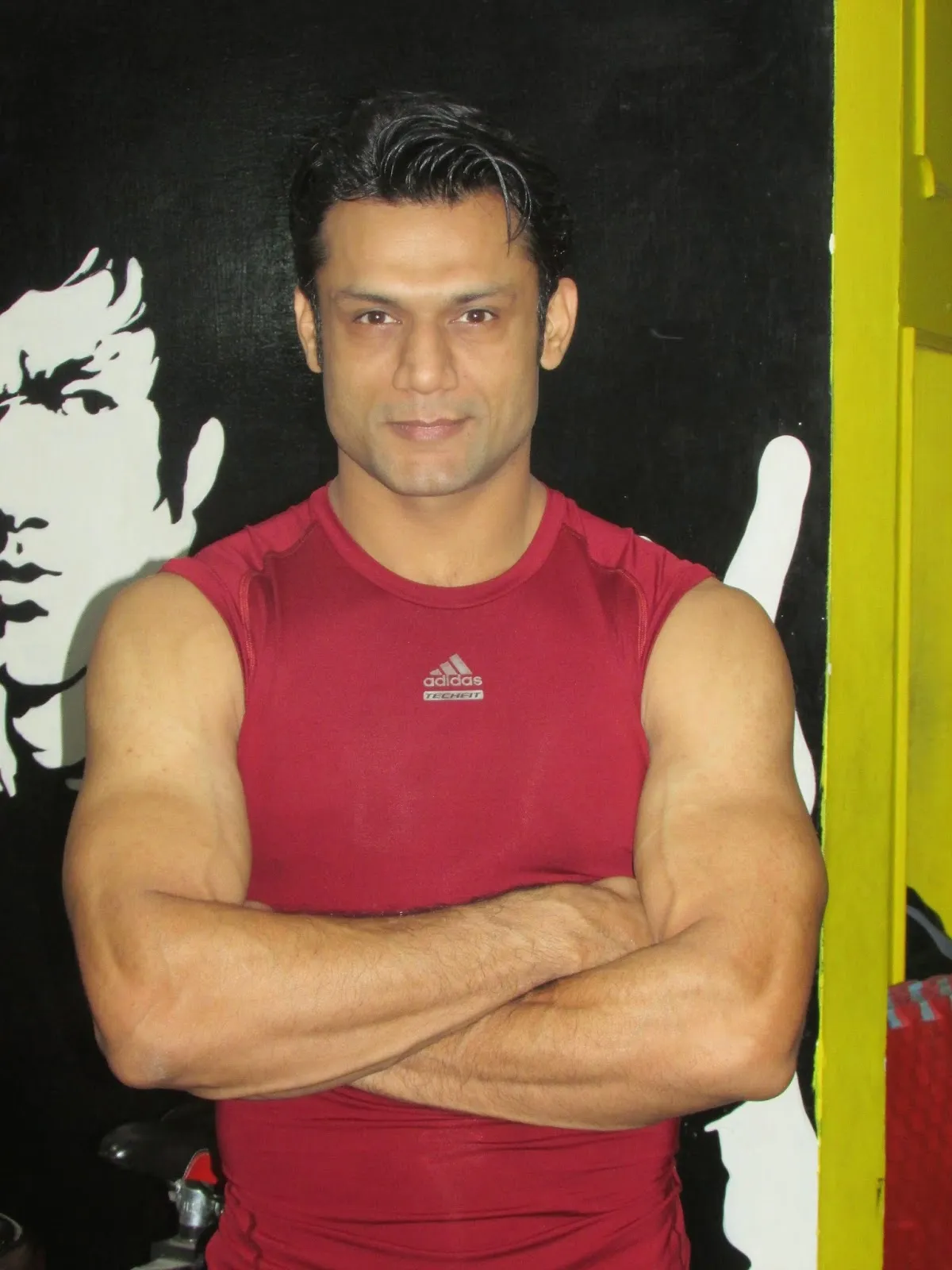

Researched and written by Dr. Neeraj Mehta (Professor at American Sports Fitness University and COO of GFFI Fitness Academy).
Personal trainers are in charge of training customers and implementing regulations about equipment safety and correct usage. Individuals in this job must be able to create, record, and execute one-on-one, partner, or group fitness programs that are tailored to the requirements and objectives of their customers. This individual must be able to advise customers on fundamental exercise physiology as well as correct lifting and workout practices. This individual will be familiar with all fitness floor rules.
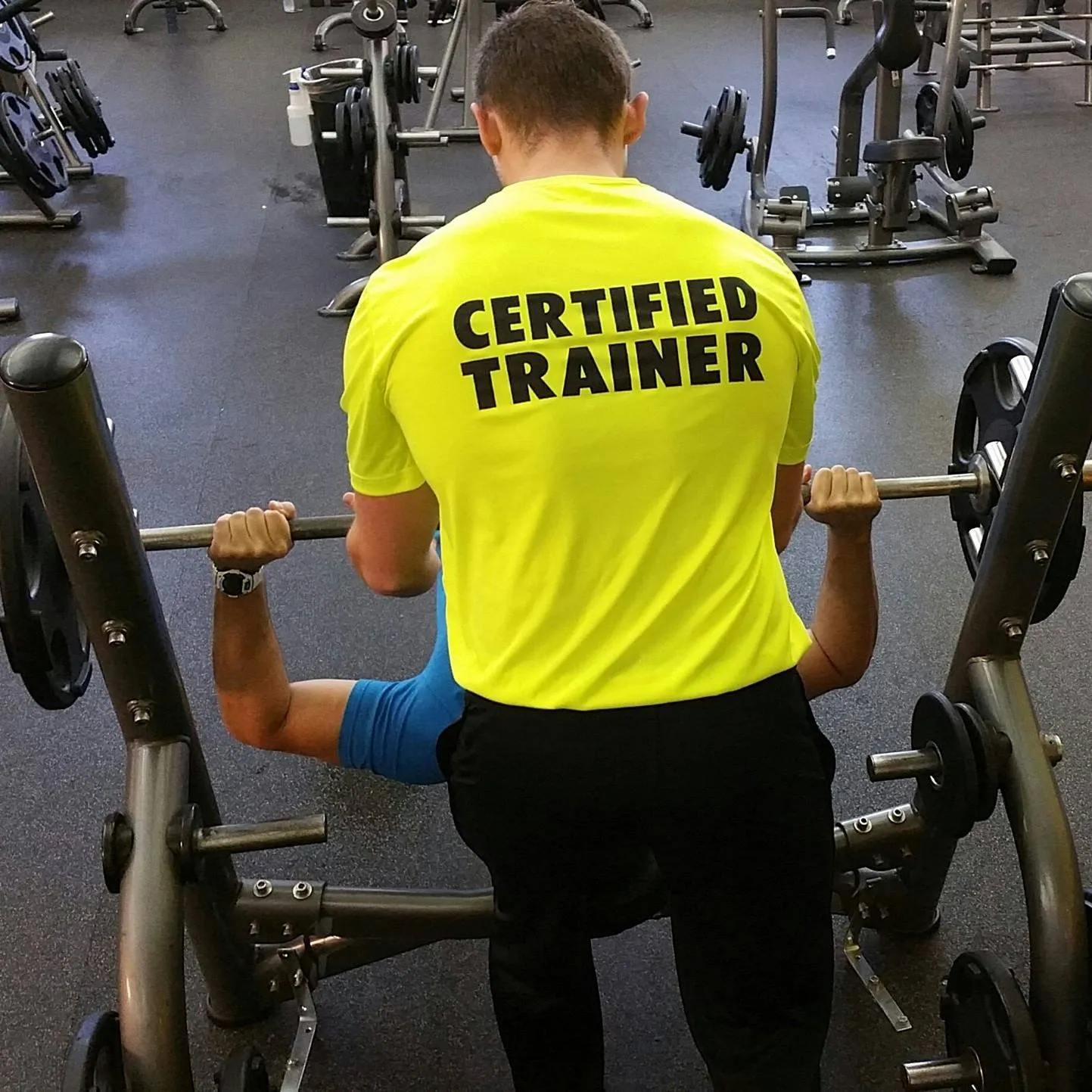
Personal trainers’ roles are evolving to include clients with health issues, clients of all ages, overweight clients, and athletes’ clients—a wide range of opportunities for personal trainers is on the horizon. Personal trainers examine their clients’ physical strengths and shortcomings and design specific fitness routines for them. They provide physical and emotional advice and regularly assess their clients’ development. They also make certain that consumers are not wounded while training.
We get enquiries from both gym owners and people on a regular basis about whether or not there are any restrictions that limit who may sell oneself as a “personal trainer.” The simple answer is that, as far as we know, there are no state or federal laws prohibiting someone from claiming to be a personal trainer.
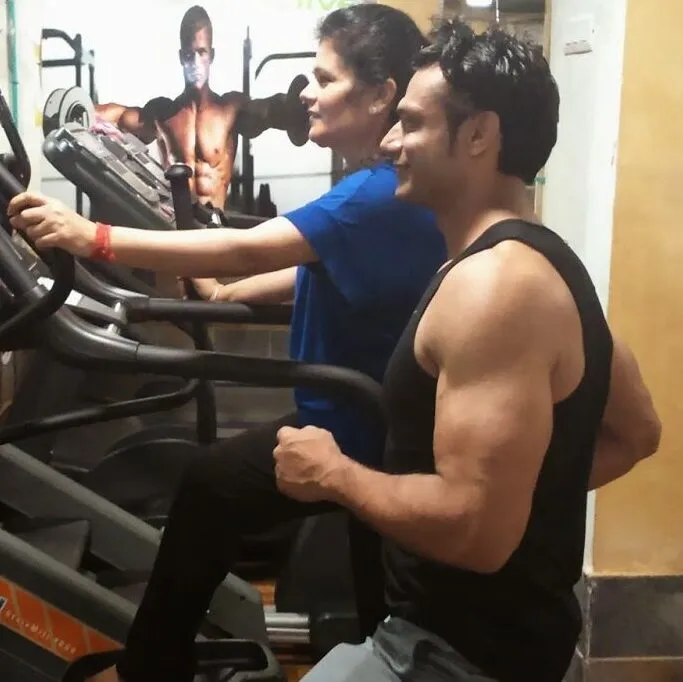
Some of the latest studies say that “despite well-documented concerns regarding their position and practice standards, fitness professionals are expanding their customer base. People with obesity (Jeffery et al., 1998), diabetes (Lubans et al., 2013), Parkinson’ s disease (Corcos et al., 2013), mental health issues (Moore, Moore, & Murphy, 2011) and other health issues have benefited from fitness professionals’ health-focused exercise interventions.”
The role of personal trainers has evolved beyond the conventional gym environment, and today the groups operate in schools, medical centers, hospitals, sports medicine and rehabilitation clinics, and corporate wellness facilities.
The enormous levels of responsibility carried by fitness professionals in these many contexts raises issues and questions about their formal training and professional education.
In one of the few empirical studies on the subject, fitness experts with a bachelor’s degree in kinesiology/exercise science and/or certifications from the ACSM, Growth for Fitness Instructors Institute (GFFI), and the National Strength and Conditioning Association (NSCA) outperformed those without.
Is Certification Required by Law?
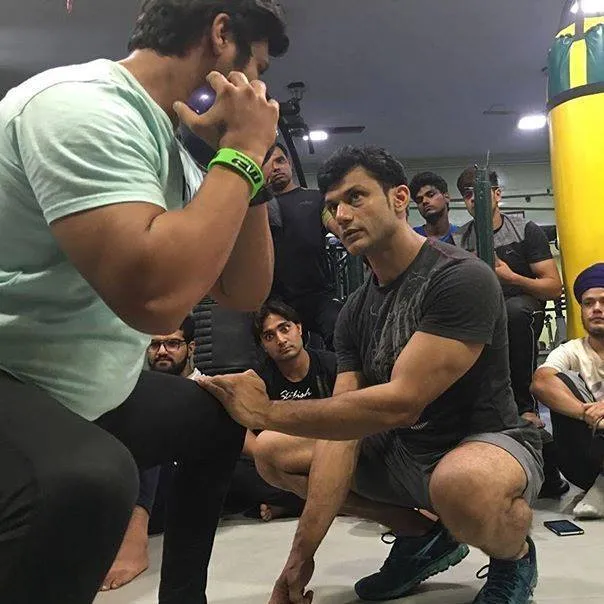
Nowadays, it is extremely common for a personal trainer to inform their customers that they have their “personal training certification” without providing any other information. To be clear, a personal trainer certification is not required by law. A certification is just a certificate issued by a private, typically for-profit, firm indicating that an individual has met whatever qualifications that private company feels necessary before promoting or selling oneself as a personal trainer.
Among the numerous fitness specialists, personal trainers have been studied the most. Clearly, a personal trainer’s duty extends well beyond putting up scheduled workouts. The function, like other groups of kinesiologists, has evolved to accommodate changing practice demands.
As a result of the scientifically proven positive effects of physical activity. Fitness professionals are stepping more deeply into studies to understand and get qualified for their scoop of practice.
And a variety of nations have established professional standards and certification frameworks to become fitness professionals in the field. Individuals who are healthy and fit can be served by exercise scientists, personal fitness trainers, and social sports instructors; those who are ill or injured can be served by rehabilitation therapists and clinical exercise physiologists; and those who are athletes can be served by sports psychologists and sports medicine specialists. The healthcare systems in various nations and areas have varying titles and certification standards for these exercise experts.
Despite the fact that fitness professionals are responsible for a broad variety of health-related activities, there is no consensus or understanding regarding which credentials or other types of continuing professional development are most effective in terms of supporting their everyday work practices. The majority of the research has been on the initial training and development of fitness professionals, and it has been proposed that a bachelor’s degree in exercise science/kinesiology (or a comparable area) should serve as the principal base of their professional competence (Rupp, Campbell, Thompson, & Terbizan, 1999).
Become a certified trainer today by GFFI Fitness Academy: look for the courses provided here:
Courses
Look for the latest fitness study
https://www.tandfonline.com/doi/pdf/10.1080/00336297.2016.1224193
https://www.unlv.edu/sites/default/files/page_files/27/SRWC-StudentEmployment-PersonalTrainer.pdf
https://www.betterteam.com/personal-trainer-job-description
https://work.chron.com/career-description-personal-trainer-13014.html
डॉ. नीरज मेहता, PhD (American Sports Fitness University में प्रोफेसर एवं GFFI Fitness Academy के COO) द्वारा शोधित एवं लिखित।
पर्सनल ट्रेनर ग्राहकों को प्रशिक्षित करने तथा उपकरणों की सुरक्षा और उनके सही उपयोग से संबंधित नियमों को लागू करने के लिए उत्तरदायी होते हैं। इस पद पर कार्यरत व्यक्तियों में ऐसे व्यक्तिगत (one-on-one), साझेदार या समूह फिटनेस कार्यक्रमों का सृजन करने, उन्हें अभिलिखित करने और क्रियान्वित करने की क्षमता होनी चाहिए जो उनके ग्राहकों की आवश्यकताओं और उद्देश्यों के अनुरूप हों। इस व्यक्ति को ग्राहकों को मूलभूत व्यायाम शरीरक्रिया विज्ञान (exercise physiology) तथा भार उठाने और व्यायाम की सही पद्धतियों पर परामर्श देने में सक्षम होना चाहिए। यह व्यक्ति फिटनेस फ़्लोर के सभी नियमों से परिचित होगा।
पर्सनल ट्रेनरों की भूमिकाएँ अब स्वास्थ्य समस्याओं वाले ग्राहकों, सभी आयु वर्गों के ग्राहकों, अधिक वज़न वाले ग्राहकों और एथलीट ग्राहकों को सम्मिलित करने की दिशा में विकसित हो रही हैं—पर्सनल ट्रेनरों के लिए अवसरों की एक विस्तृत श्रृंखला क्षितिज पर है। पर्सनल ट्रेनर अपने ग्राहकों की शारीरिक क्षमताओं और कमियों का परीक्षण करते हैं और उनके लिए विशिष्ट फिटनेस दिनचर्याएँ तैयार करते हैं। वे शारीरिक और भावनात्मक परामर्श प्रदान करते हैं और नियमित रूप से अपने ग्राहकों की प्रगति का मूल्यांकन करते हैं। वे यह भी सुनिश्चित करते हैं कि प्रशिक्षण के दौरान ग्राहक चोटिल न हों।
हमें जिम स्वामियों और आम लोगों — दोनों से नियमित रूप से यह पूछताछ प्राप्त होती है कि क्या ऐसे कोई प्रतिबंध हैं जो यह सीमित करते हों कि कौन स्वयं को “पर्सनल ट्रेनर” के रूप में प्रस्तुत कर सकता है। सीधा उत्तर यह है कि, हमारी जानकारी के अनुसार, ऐसा कोई राज्य या संघीय कानून नहीं है जो किसी व्यक्ति को स्वयं को पर्सनल ट्रेनर बताने से रोकता हो।
कुछ नवीनतम अध्ययनों के अनुसार “उनकी स्थिति और अभ्यास मानकों के संबंध में भली-भाँति प्रलेखित चिंताओं के बावजूद, फिटनेस पेशेवर अपने ग्राहक-आधार का विस्तार कर रहे हैं। मोटापे (Jeffery et al., 1998), मधुमेह (Lubans et al., 2013), पार्किंसंस रोग (Corcos et al., 2013), मानसिक स्वास्थ्य समस्याओं (Moore, Moore, & Murphy, 2011) और अन्य स्वास्थ्य समस्याओं से ग्रस्त लोगों को फिटनेस पेशेवरों के स्वास्थ्य-केंद्रित व्यायाम हस्तक्षेपों से लाभ हुआ है।”
पर्सनल ट्रेनरों की भूमिका पारंपरिक जिम परिवेश से आगे विकसित हो चुकी है, और आज ये समूह विद्यालयों, चिकित्सा केंद्रों, अस्पतालों, स्पोर्ट्स मेडिसिन और पुनर्वास क्लीनिकों तथा कॉर्पोरेट वेलनेस सुविधाओं में कार्यरत हैं।
इन विविध संदर्भों में फिटनेस पेशेवरों द्वारा वहन किए जाने वाले उत्तरदायित्व के विशाल स्तर उनके औपचारिक प्रशिक्षण और व्यावसायिक शिक्षा के विषय में मुद्दे और प्रश्न उठाते हैं।
इस विषय पर किए गए कुछ गिने-चुने अनुभवजन्य (empirical) अध्ययनों में से एक में, काइनेसियोलॉजी/व्यायाम विज्ञान में स्नातक उपाधि और/या ACSM, Growth for Fitness Instructors Institute (GFFI) तथा National Strength and Conditioning Association (NSCA) से प्रमाणपत्र रखने वाले फिटनेस विशेषज्ञों ने इनके बिना वाले विशेषज्ञों से बेहतर प्रदर्शन किया।
क्या कानूनन प्रमाणन अनिवार्य है?
आजकल यह अत्यंत सामान्य है कि कोई पर्सनल ट्रेनर अपने ग्राहकों को कोई अन्य जानकारी दिए बिना केवल यह सूचित कर दे कि उसके पास “पर्सनल ट्रेनिंग प्रमाणन” है। स्पष्ट कर दें कि कानूनन पर्सनल ट्रेनर प्रमाणन अनिवार्य नहीं है। प्रमाणन केवल किसी निजी, सामान्यतः लाभार्जक, संस्था द्वारा जारी किया गया एक प्रमाणपत्र है जो यह दर्शाता है कि किसी व्यक्ति ने वे योग्यताएँ पूरी कर ली हैं जिन्हें वह निजी संस्था स्वयं को पर्सनल ट्रेनर के रूप में प्रचारित करने या प्रस्तुत करने से पूर्व आवश्यक मानती है।
अनेक फिटनेस विशेषज्ञों में से पर्सनल ट्रेनरों का अध्ययन सबसे अधिक किया गया है। स्पष्ट रूप से, पर्सनल ट्रेनर का कर्तव्य निर्धारित व्यायाम सत्र आयोजित करने से कहीं आगे तक विस्तृत है। काइनेसियोलॉजिस्टों के अन्य समूहों की भाँति, यह भूमिका भी अभ्यास की बदलती माँगों के अनुरूप विकसित हुई है।
शारीरिक गतिविधि के वैज्ञानिक रूप से सिद्ध सकारात्मक प्रभावों के परिणामस्वरूप, फिटनेस पेशेवर अपने अभ्यास-क्षेत्र (scope of practice) को समझने और उसके लिए योग्यता प्राप्त करने हेतु अध्ययन में और अधिक गहराई से प्रवेश कर रहे हैं।
और अनेक राष्ट्रों ने इस क्षेत्र में फिटनेस पेशेवर बनने के लिए व्यावसायिक मानक और प्रमाणन ढाँचे स्थापित किए हैं। स्वस्थ और फिट व्यक्तियों को व्यायाम वैज्ञानिक, पर्सनल फिटनेस ट्रेनर और सामाजिक खेल प्रशिक्षक सेवा प्रदान कर सकते हैं; रोगग्रस्त या चोटिल व्यक्तियों को पुनर्वास चिकित्सक और क्लिनिकल व्यायाम शरीरक्रिया विज्ञानी (clinical exercise physiologists) सेवा प्रदान कर सकते हैं; और एथलीटों को खेल मनोवैज्ञानिक और स्पोर्ट्स मेडिसिन विशेषज्ञ सेवा प्रदान कर सकते हैं। विभिन्न राष्ट्रों और क्षेत्रों की स्वास्थ्य सेवा प्रणालियों में इन व्यायाम विशेषज्ञों के लिए भिन्न-भिन्न पदनाम और प्रमाणन मानक हैं।
इस तथ्य के बावजूद कि फिटनेस पेशेवर स्वास्थ्य-संबंधी गतिविधियों की एक विस्तृत श्रृंखला के लिए उत्तरदायी हैं, इस विषय में कोई सर्वसम्मति या स्पष्ट समझ नहीं है कि उनकी दैनिक कार्य-पद्धतियों को समर्थन देने की दृष्टि से कौन-से प्रमाण-पत्र या सतत व्यावसायिक विकास (continuing professional development) के अन्य प्रकार सर्वाधिक प्रभावी हैं। अधिकांश शोध फिटनेस पेशेवरों के प्रारंभिक प्रशिक्षण और विकास पर केंद्रित रहा है, और यह प्रस्तावित किया गया है कि व्यायाम विज्ञान/काइनेसियोलॉजी (अथवा किसी समकक्ष क्षेत्र) में स्नातक उपाधि उनकी व्यावसायिक दक्षता का प्रमुख आधार होनी चाहिए (Rupp, Campbell, Thompson, & Terbizan, 1999)।
आज ही GFFI Fitness Academy से प्रमाणित ट्रेनर बनें: यहाँ उपलब्ध पाठ्यक्रम देखें:
पाठ्यक्रम
नवीनतम फिटनेस अध्ययन देखें
https://www.tandfonline.com/doi/pdf/10.1080/00336297.2016.1224193
https://www.unlv.edu/sites/default/files/page_files/27/SRWC-StudentEmployment-PersonalTrainer.pdf
https://www.betterteam.com/personal-trainer-job-description
https://work.chron.com/career-description-personal-trainer-13014.html
Investigado y redactado por el Dr. Neeraj Mehta, PhD (Profesor en American Sports Fitness University y COO de GFFI Fitness Academy).
Los entrenadores personales se encargan de entrenar a sus clientes y de aplicar las normas relativas a la seguridad y al uso correcto del equipamiento. Las personas que desempeñan esta función deben ser capaces de diseñar, registrar y ejecutar programas de acondicionamiento físico individuales, en pareja o en grupo, adaptados a las necesidades y los objetivos de sus clientes. Este profesional debe ser capaz de asesorar a los clientes sobre los fundamentos de la fisiología del ejercicio, así como sobre las técnicas correctas de levantamiento y de entrenamiento. Asimismo, conocerá todas las normas de la sala de entrenamiento.
Las funciones de los entrenadores personales están evolucionando para incluir a clientes con problemas de salud, clientes de todas las edades, clientes con sobrepeso y deportistas: se vislumbra un amplio abanico de oportunidades para los entrenadores personales. Los entrenadores personales examinan las fortalezas y las limitaciones físicas de sus clientes y diseñan para ellos rutinas de acondicionamiento específicas. Proporcionan orientación física y emocional y evalúan periódicamente la evolución de sus clientes. También se aseguran de que los usuarios no se lesionen durante el entrenamiento.
Recibimos con regularidad consultas tanto de propietarios de gimnasios como de particulares sobre si existe alguna restricción que limite quién puede ofrecer sus servicios como “entrenador personal”. La respuesta sencilla es que, hasta donde sabemos, no existe ninguna ley estatal ni federal que prohíba a una persona presentarse como entrenador personal.
Algunos de los estudios más recientes señalan que “a pesar de las preocupaciones bien documentadas sobre su posición y sus estándares de práctica, los profesionales del fitness están ampliando su base de clientes. Las personas con obesidad (Jeffery et al., 1998), diabetes (Lubans et al., 2013), enfermedad de Parkinson (Corcos et al., 2013), problemas de salud mental (Moore, Moore, & Murphy, 2011) y otros problemas de salud se han beneficiado de las intervenciones de ejercicio orientadas a la salud de los profesionales del fitness.”
El papel de los entrenadores personales ha evolucionado más allá del entorno convencional del gimnasio, y hoy estos colectivos desarrollan su labor en centros educativos, centros médicos, hospitales, clínicas de medicina deportiva y rehabilitación, e instalaciones de bienestar corporativo.
Los enormes niveles de responsabilidad que asumen los profesionales del fitness en estos múltiples contextos plantean cuestiones e interrogantes sobre su formación reglada y su educación profesional.
En uno de los pocos estudios empíricos sobre el tema, los expertos en fitness con un título de grado en kinesiología/ciencias del ejercicio y/o certificaciones del ACSM, del Growth for Fitness Instructors Institute (GFFI) y de la National Strength and Conditioning Association (NSCA) obtuvieron mejores resultados que quienes carecían de ellos.
¿Exige la ley una certificación?
Hoy en día es sumamente habitual que un entrenador personal informe a sus clientes de que posee su “certificación de entrenamiento personal” sin aportar ninguna otra información. Para ser claros, la ley no exige una certificación de entrenador personal. Una certificación no es más que un certificado emitido por una empresa privada, normalmente con ánimo de lucro, que indica que una persona ha cumplido los requisitos que dicha empresa privada considera necesarios antes de promocionarse u ofrecer sus servicios como entrenador personal.
Entre los numerosos especialistas del fitness, los entrenadores personales son los que más se han estudiado. Evidentemente, la labor de un entrenador personal va mucho más allá de programar sesiones de entrenamiento. Al igual que la de otros colectivos de kinesiólogos, esta función ha evolucionado para dar respuesta a las cambiantes exigencias de la práctica.
Como resultado de los efectos positivos de la actividad física, demostrados científicamente, los profesionales del fitness se están adentrando con mayor profundidad en los estudios para comprender su ámbito de práctica y cualificarse para él.
Asimismo, diversos países han establecido estándares profesionales y marcos de certificación para ejercer como profesional del fitness en este ámbito. Las personas sanas y en buena forma pueden ser atendidas por científicos del ejercicio, entrenadores personales e instructores de deporte social; las personas enfermas o lesionadas, por terapeutas de rehabilitación y fisiólogos clínicos del ejercicio; y los deportistas, por psicólogos deportivos y especialistas en medicina deportiva. Los sistemas sanitarios de los distintos países y regiones emplean denominaciones y estándares de certificación diferentes para estos expertos en ejercicio.
A pesar de que los profesionales del fitness son responsables de una amplia variedad de actividades relacionadas con la salud, no existe consenso ni entendimiento sobre qué credenciales u otras modalidades de desarrollo profesional continuo resultan más eficaces para respaldar su práctica laboral cotidiana. La mayor parte de la investigación se ha centrado en la formación y el desarrollo iniciales de los profesionales del fitness, y se ha propuesto que un título de grado en ciencias del ejercicio/kinesiología (o en un área comparable) constituya la base principal de su competencia profesional (Rupp, Campbell, Thompson, & Terbizan, 1999).
Obtenga hoy su certificación como entrenador con GFFI Fitness Academy: consulte los cursos que se ofrecen aquí:
Cursos
Consulte el estudio más reciente sobre fitness
https://www.tandfonline.com/doi/pdf/10.1080/00336297.2016.1224193
https://www.unlv.edu/sites/default/files/page_files/27/SRWC-StudentEmployment-PersonalTrainer.pdf
https://www.betterteam.com/personal-trainer-job-description
https://work.chron.com/career-description-personal-trainer-13014.html
بحث وكتابة د. نيراج ميهتا، PhD (أستاذ في American Sports Fitness University والمدير التنفيذي للعمليات في GFFI Fitness Academy).
يتولى المدربون الشخصيون تدريب العملاء وتطبيق اللوائح المتعلقة بسلامة المعدات والاستخدام الصحيح لها. ويجب أن يكون شاغلو هذه الوظيفة قادرين على إعداد برامج لياقة بدنية فردية أو ثنائية أو جماعية وتوثيقها وتنفيذها، بحيث تكون مصمّمة وفق متطلبات عملائهم وأهدافهم. ويجب أن يكون هذا الشخص قادرًا على تقديم المشورة للعملاء في أساسيات فسيولوجيا التمرين، وكذلك في الممارسات الصحيحة للرفع والتمرين. كما سيكون على دراية بجميع قواعد صالة التمرين.
تتطور أدوار المدربين الشخصيين لتشمل العملاء الذين يعانون مشكلات صحية، والعملاء من مختلف الأعمار، والعملاء ذوي الوزن الزائد، والرياضيين — فثمة طيف واسع من الفرص يلوح في الأفق أمام المدربين الشخصيين. إذ يفحص المدربون الشخصيون مواطن القوة والقصور البدنية لدى عملائهم ويصمّمون لهم برامج لياقة بدنية محددة. ويقدّمون المشورة البدنية والنفسية، ويُقيّمون تقدّم عملائهم بانتظام. كما يحرصون على ألا يتعرض العملاء للإصابة في أثناء التدريب.
تردنا بانتظام استفسارات من مالكي صالات الرياضة ومن الأفراد على حدّ سواء حول ما إذا كانت هناك أي قيود تحدّ ممّن يحق له تقديم نفسه بوصفه “مدربًا شخصيًا”. والإجابة البسيطة هي أنه، على حدّ علمنا، لا توجد قوانين على مستوى الولايات أو على المستوى الفيدرالي تمنع أي شخص من الادعاء بأنه مدرب شخصي.
تقول بعض أحدث الدراسات إنه “على الرغم من المخاوف الموثقة جيدًا بشأن مكانتهم ومعايير ممارستهم، يعمل مهنيو اللياقة البدنية على توسيع قاعدة عملائهم. فقد استفاد الأشخاص المصابون بالسمنة (Jeffery et al., 1998)، والسكري (Lubans et al., 2013)، ومرض باركنسون (Corcos et al., 2013)، ومشكلات الصحة النفسية (Moore, Moore, & Murphy, 2011)، وغيرها من المشكلات الصحية، من تدخلات التمرين ذات التوجه الصحي التي يقدّمها مهنيو اللياقة البدنية.”
تطوّر دور المدربين الشخصيين إلى ما يتجاوز بيئة صالة الرياضة التقليدية، وباتت هذه الفئات تعمل اليوم في المدارس والمراكز الطبية والمستشفيات وعيادات الطب الرياضي وإعادة التأهيل ومرافق العافية في الشركات.
إن المستويات الهائلة من المسؤولية التي يضطلع بها مهنيو اللياقة البدنية في هذه السياقات المتعددة تثير قضايا وتساؤلات حول تدريبهم الرسمي وتعليمهم المهني.
في إحدى الدراسات التجريبية القليلة حول هذا الموضوع، تفوّق خبراء اللياقة البدنية الحاصلون على درجة البكالوريوس في علم الحركة (kinesiology)/علوم التمرين و/أو على شهادات من ACSM وGrowth for Fitness Instructors Institute (GFFI) وNational Strength and Conditioning Association (NSCA) على أقرانهم غير الحاصلين عليها.
هل الشهادة مطلوبة بموجب القانون؟
في الوقت الحاضر، من الشائع جدًا أن يُبلغ المدرب الشخصي عملاءه بأنه حاصل على “شهادة التدريب الشخصي” دون تقديم أي معلومات أخرى. ولكي نكون واضحين، فإن شهادة المدرب الشخصي ليست مطلوبة بموجب القانون. فالشهادة ليست سوى وثيقة تصدرها جهة خاصة، ربحية في الغالب، تفيد بأن الفرد قد استوفى المؤهلات التي تراها تلك الجهة الخاصة ضرورية قبل أن يُروّج لنفسه أو يقدّم خدماته بوصفه مدربًا شخصيًا.
من بين اختصاصيي اللياقة البدنية العديدين، حظي المدربون الشخصيون بالقدر الأكبر من الدراسة. ومن الواضح أن واجب المدرب الشخصي يمتد إلى ما هو أبعد بكثير من إعداد تمارين مجدولة. فقد تطورت هذه الوظيفة، شأنها شأن فئات أخرى من اختصاصيي علم الحركة، لتستوعب متطلبات الممارسة المتغيرة.
ونتيجة للآثار الإيجابية المثبتة علميًا للنشاط البدني، يتعمّق مهنيو اللياقة البدنية أكثر في الدراسة لفهم نطاق ممارستهم والتأهل له.
وقد وضعت دول عديدة معايير مهنية وأطرًا للاعتماد لمن يرغب في أن يصبح من مهنيي اللياقة البدنية في هذا المجال. فالأفراد الأصحاء ذوو اللياقة يمكن أن يخدمهم علماء التمرين والمدربون الشخصيون للياقة البدنية ومدربو الرياضة المجتمعية؛ والمرضى أو المصابون يمكن أن يخدمهم معالجو إعادة التأهيل واختصاصيو فسيولوجيا التمرين السريرية؛ أما الرياضيون فيمكن أن يخدمهم اختصاصيو علم النفس الرياضي واختصاصيو الطب الرياضي. وتختلف المسميات ومعايير الاعتماد الخاصة بخبراء التمرين هؤلاء باختلاف أنظمة الرعاية الصحية في الدول والمناطق المختلفة.
على الرغم من أن مهنيي اللياقة البدنية مسؤولون عن طيف واسع من الأنشطة المتصلة بالصحة، لا يوجد إجماع أو فهم مشترك بشأن أي المؤهلات أو الأشكال الأخرى من التطوير المهني المستمر أكثر فاعلية في دعم ممارسات عملهم اليومية. وقد انصبّ معظم البحث على التدريب والتأهيل الأوّليين لمهنيي اللياقة البدنية، واقتُرح أن تكون درجة البكالوريوس في علوم التمرين/علم الحركة (أو مجال مماثل) الأساس الرئيسي لكفاءتهم المهنية (Rupp, Campbell, Thompson, & Terbizan, 1999).
كن مدربًا معتمدًا اليوم من GFFI Fitness Academy: اطّلع على الدورات المقدّمة هنا:
الدورات
اطّلع على أحدث دراسات اللياقة البدنية
https://www.tandfonline.com/doi/pdf/10.1080/00336297.2016.1224193
https://www.unlv.edu/sites/default/files/page_files/27/SRWC-StudentEmployment-PersonalTrainer.pdf
https://www.betterteam.com/personal-trainer-job-description
https://work.chron.com/career-description-personal-trainer-13014.html