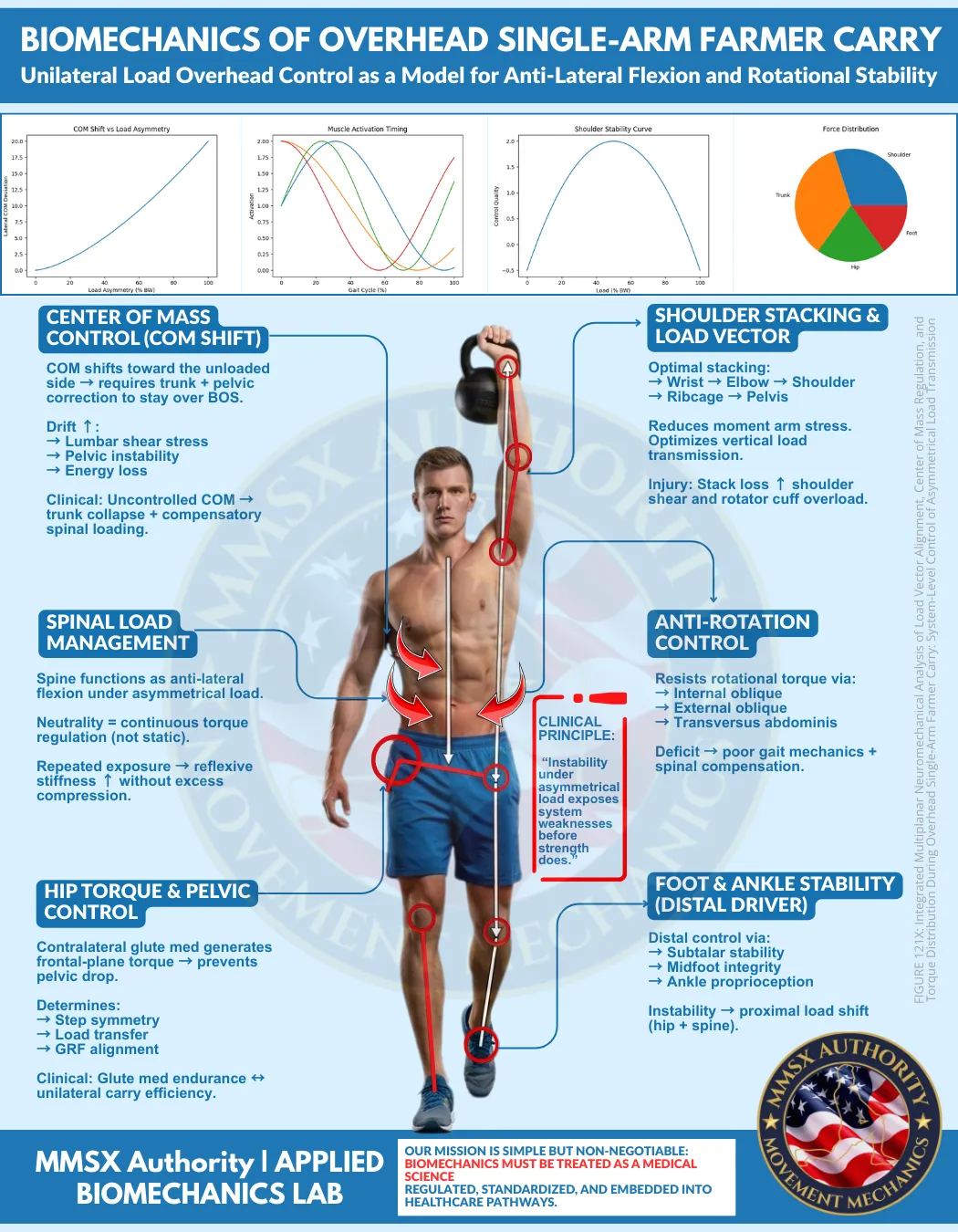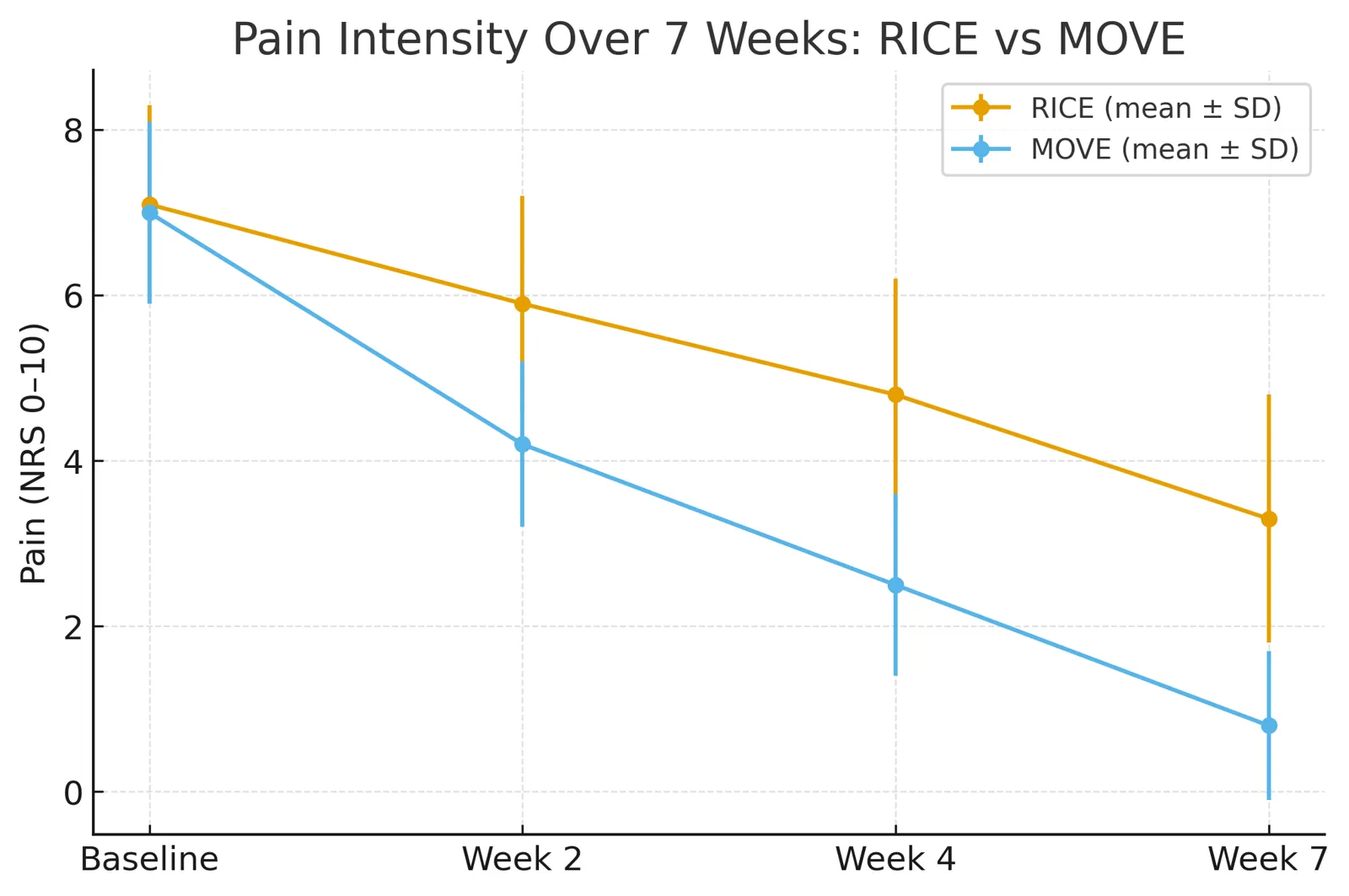


To understand how the human body works, we need to know that gravity has an effect on all living things on the Earth. It has taken hundreds of years of research to figure out how gravity affects these biological systems.
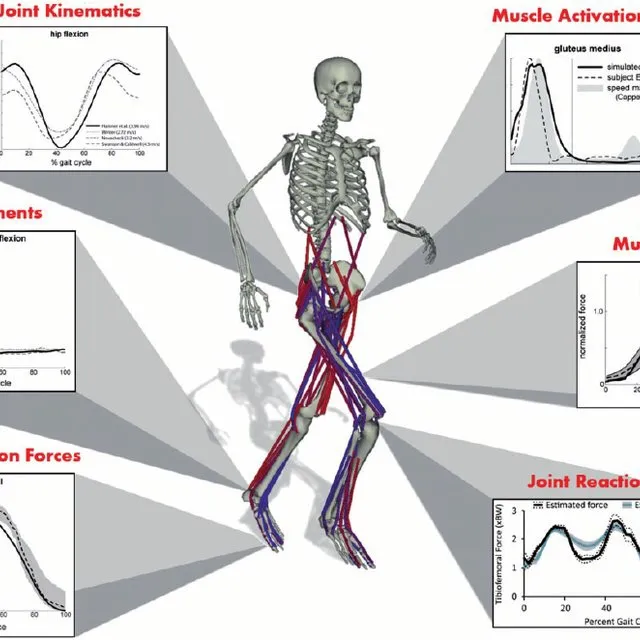
Both direct and indirect effects have been looked at by the people who did this. It all began with the development of mechanics, which was concerned with how physical bodies behave when they are subjected to forces or displacements, as well as how that behavior affects their surroundings. It then went on to the development of physics and mathematics.
To figure out how these mechanical interactions worked, and that led to the creation of a new field of study called biomechanics.
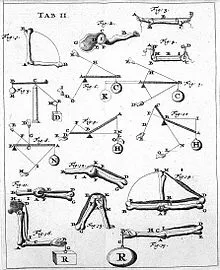
In biomechanics, we look at how biological systems move, how they move, how they move and how they move. We also look at how mechanical forces affect things like movement, size, shape, and structure. Mechanical forces can have an impact on biological systems at many different levels, from the molecular and cellular to the tissue, organ, and system levels. So, biomechanics is about everything from how cells work to how soft and hard tissues move and how the neuromusculoskeletal system grows and moves, too. How mechanical forces and deformation affect the shape, binding or reaction, function, and transport of biomolecules like DNA, RNA and proteins is called molecular biomechanics. It also looks at how mechanobiochemistry is linked to biomolecular motors and ion channel flows, and how these two things work together. Cellular biomechanics is the study of how cells sense and respond to mechanical forces or deformations. It focuses on how these forces affect cell growth, differentiation, movement, signal transduction, protein secretion and transport, and gene expression and regulation, among other things. Loads and deformations can change the characteristics of living tissues. Tissue biomechanics is mostly about how tissues grow and change in response to mechanical stimuli.
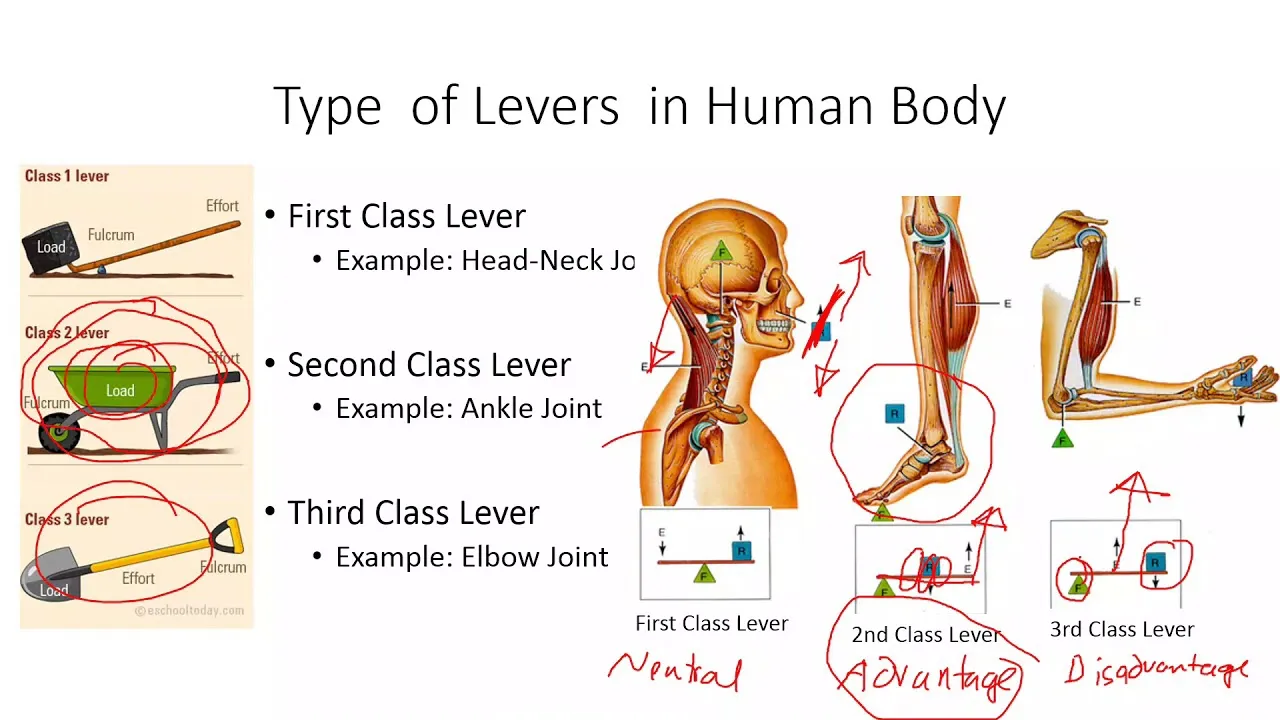
In human biomechanics, forces applied to the musculoskeletal system and the response of body tissue to these forces are studied. Depending on the forces involved in movement and posture, biomechanics can be seen from the perspective of exterior or internal biomechanics.
Body tissue reacts to external forces acting on the segment by creating forces that interact in order to accomplish the desired movement and posture.
The internal resistance of a material, often known as “stress,” increases when it is subjected to an external force or load. The total resistance created is divided by the external load.
The structure’s shape is somewhat altered or deformed as a result of the stress. A wavy pattern visible under a microscope in dense connective tissue is the crimp, or crimp characteristics of connective tissue.
elasticity’s characteristics
A high concentration of collagen fibers and a low number of cells and ground substance are characteristics of dense connective tissue. Dense connective tissue has viscoelastic qualities, for instance. When the stress is removed, an exceptionally dense connective tissue fibre can grow briefly before returning to its original size.
Compliance is what happens when dense connective tissue contracts.
The ability of a tissue to return to its normal length once a stress has been removed is referred to as elasticity.
When dense connective tissues are extended to their physiological limit, a connected collagen fiber’s crimp feature is lost. The stress-strain curve can help us determine a dense connective tissue’s physiologic limit, which is vital to remember while stretching it.
मानव शरीर कैसे कार्य करता है, यह समझने के लिए हमें यह जानना आवश्यक है कि गुरुत्वाकर्षण पृथ्वी पर सभी जीवित प्राणियों को प्रभावित करता है। गुरुत्वाकर्षण इन जैविक प्रणालियों को किस प्रकार प्रभावित करता है, यह जानने में सैकड़ों वर्षों का शोध लगा है।
इस शोध को करने वालों ने प्रत्यक्ष और अप्रत्यक्ष दोनों प्रकार के प्रभावों का अध्ययन किया है। इसकी शुरुआत यांत्रिकी (mechanics) के विकास से हुई, जिसका संबंध इस बात से था कि भौतिक पिंड बलों या विस्थापनों के अधीन होने पर कैसा व्यवहार करते हैं, तथा वह व्यवहार उनके परिवेश को कैसे प्रभावित करता है। इसके पश्चात् यह भौतिकी और गणित के विकास की ओर अग्रसर हुई।
इन यांत्रिक अंतःक्रियाओं की कार्यप्रणाली को समझने के प्रयासों से अध्ययन के एक नए क्षेत्र का सृजन हुआ, जिसे बायोमैकेनिक्स (biomechanics) कहा जाता है।
बायोमैकेनिक्स में हम यह अध्ययन करते हैं कि जैविक प्रणालियाँ कैसे गति करती हैं और उनकी गति किस प्रकार होती है, किस ढंग से होती है तथा किन प्रक्रियाओं से होती है। हम यह भी देखते हैं कि यांत्रिक बल गति, आकार, आकृति और संरचना जैसी विशेषताओं को कैसे प्रभावित करते हैं। यांत्रिक बल जैविक प्रणालियों पर अनेक स्तरों पर प्रभाव डाल सकते हैं — आणविक और कोशिकीय स्तर से लेकर ऊतक, अंग और तंत्र स्तर तक। अतः बायोमैकेनिक्स कोशिकाओं की कार्यप्रणाली से लेकर कोमल और कठोर ऊतकों की गति तथा न्यूरोमस्कुलोस्केलेटल तंत्र (neuromusculoskeletal system) के विकास और गति तक, सभी से संबंधित है। यांत्रिक बल और विरूपण (deformation) DNA, RNA और प्रोटीन जैसे जैव-अणुओं की आकृति, बंधन या प्रतिक्रिया, कार्य और परिवहन को कैसे प्रभावित करते हैं, इसे आणविक बायोमैकेनिक्स (molecular biomechanics) कहा जाता है। यह इस बात का भी अध्ययन करता है कि मैकेनोबायोकेमिस्ट्री (mechanobiochemistry) जैव-आणविक मोटरों और आयन चैनल प्रवाहों से कैसे जुड़ी है, तथा ये दोनों एक साथ कैसे कार्य करते हैं। कोशिकीय बायोमैकेनिक्स (cellular biomechanics) इस बात का अध्ययन है कि कोशिकाएँ यांत्रिक बलों या विरूपणों को कैसे अनुभव करती हैं और उन पर कैसे प्रतिक्रिया देती हैं। यह इस पर केंद्रित है कि ये बल कोशिका वृद्धि, विभेदन, गति, संकेत पारगमन (signal transduction), प्रोटीन स्राव और परिवहन, तथा जीन अभिव्यक्ति और नियमन आदि को कैसे प्रभावित करते हैं। भार और विरूपण जीवित ऊतकों की विशेषताओं को बदल सकते हैं। ऊतक बायोमैकेनिक्स (tissue biomechanics) मुख्यतः इस बात से संबंधित है कि ऊतक यांत्रिक उद्दीपनों के प्रत्युत्तर में कैसे विकसित और परिवर्तित होते हैं।
मानव बायोमैकेनिक्स में मस्कुलोस्केलेटल तंत्र पर लगाए गए बलों और इन बलों के प्रति शारीरिक ऊतकों की प्रतिक्रिया का अध्ययन किया जाता है। गति और मुद्रा में शामिल बलों के आधार पर, बायोमैकेनिक्स को बाह्य या आंतरिक बायोमैकेनिक्स के परिप्रेक्ष्य से देखा जा सकता है।
शारीरिक ऊतक खंड (segment) पर कार्यरत बाह्य बलों के प्रति ऐसे बल उत्पन्न करके प्रतिक्रिया करते हैं जो वांछित गति और मुद्रा प्राप्त करने के लिए परस्पर अंतःक्रिया करते हैं।
किसी पदार्थ का आंतरिक प्रतिरोध, जिसे प्रायः "प्रतिबल" (stress) कहा जाता है, तब बढ़ जाता है जब उस पर कोई बाह्य बल या भार लगाया जाता है। उत्पन्न कुल प्रतिरोध को बाह्य भार से विभाजित किया जाता है।
प्रतिबल के परिणामस्वरूप संरचना की आकृति कुछ हद तक परिवर्तित या विरूपित हो जाती है। सघन संयोजी ऊतक (dense connective tissue) में सूक्ष्मदर्शी के नीचे दिखाई देने वाला लहरदार पैटर्न क्रिम्प (crimp) कहलाता है, जो संयोजी ऊतक की क्रिम्प विशेषता है।
प्रत्यास्थता की विशेषताएँ
कोलेजन तंतुओं की उच्च सांद्रता तथा कोशिकाओं और आधार पदार्थ (ground substance) की कम मात्रा सघन संयोजी ऊतक की विशेषताएँ हैं। उदाहरण के लिए, सघन संयोजी ऊतक में श्यानप्रत्यास्थ (viscoelastic) गुण होते हैं। प्रतिबल हटाए जाने पर, एक अत्यधिक सघन संयोजी ऊतक तंतु अपने मूल आकार में लौटने से पहले थोड़े समय के लिए बढ़ सकता है।
जब सघन संयोजी ऊतक संकुचित होता है, तो इसे अनुपालन (compliance) कहा जाता है।
प्रतिबल हटाए जाने के पश्चात् किसी ऊतक की अपनी सामान्य लंबाई में लौटने की क्षमता को प्रत्यास्थता (elasticity) कहा जाता है।
जब सघन संयोजी ऊतकों को उनकी शारीरिक सीमा (physiological limit) तक खींचा जाता है, तो जुड़े हुए कोलेजन तंतु की क्रिम्प विशेषता समाप्त हो जाती है। प्रतिबल-विकृति वक्र (stress-strain curve) हमें सघन संयोजी ऊतक की शारीरिक सीमा निर्धारित करने में सहायता कर सकता है, जिसे उसे स्ट्रेच करते समय याद रखना अत्यंत आवश्यक है।
Para comprender cómo funciona el cuerpo humano, debemos saber que la gravedad ejerce un efecto sobre todos los seres vivos de la Tierra. Han sido necesarios cientos de años de investigación para determinar cómo afecta la gravedad a estos sistemas biológicos.
Quienes llevaron a cabo esta investigación estudiaron tanto los efectos directos como los indirectos. Todo comenzó con el desarrollo de la mecánica, que se ocupaba de cómo se comportan los cuerpos físicos cuando se someten a fuerzas o desplazamientos, así como de la manera en que ese comportamiento afecta a su entorno. Posteriormente se avanzó hacia el desarrollo de la física y las matemáticas.
El esfuerzo por comprender cómo funcionaban estas interacciones mecánicas condujo a la creación de un nuevo campo de estudio denominado biomecánica.
En biomecánica examinamos cómo se mueven los sistemas biológicos, cómo se mueven, cómo se mueven y cómo se mueven. También analizamos cómo las fuerzas mecánicas influyen en aspectos como el movimiento, el tamaño, la forma y la estructura. Las fuerzas mecánicas pueden repercutir en los sistemas biológicos en muchos niveles distintos, desde el molecular y el celular hasta el tisular, el orgánico y el sistémico. Así pues, la biomecánica abarca desde el funcionamiento de las células hasta el movimiento de los tejidos blandos y duros, así como el crecimiento y el movimiento del sistema neuromusculoesquelético. El estudio de cómo las fuerzas mecánicas y la deformación afectan a la forma, la unión o reacción, la función y el transporte de biomoléculas como el ADN, el ARN y las proteínas se denomina biomecánica molecular. Esta disciplina también examina cómo la mecanobioquímica se vincula con los motores biomoleculares y con los flujos a través de los canales iónicos, y cómo ambos elementos actúan conjuntamente. La biomecánica celular es el estudio de cómo las células perciben las fuerzas o deformaciones mecánicas y responden a ellas. Se centra en cómo estas fuerzas afectan, entre otros aspectos, al crecimiento, la diferenciación y el movimiento celulares, a la transducción de señales, a la secreción y el transporte de proteínas, y a la expresión y regulación génicas. Las cargas y las deformaciones pueden modificar las características de los tejidos vivos. La biomecánica tisular se ocupa principalmente de cómo los tejidos crecen y se modifican en respuesta a los estímulos mecánicos.
En la biomecánica humana se estudian las fuerzas aplicadas al sistema musculoesquelético y la respuesta de los tejidos corporales a dichas fuerzas. Según las fuerzas implicadas en el movimiento y la postura, la biomecánica puede abordarse desde la perspectiva de la biomecánica externa o de la biomecánica interna.
Los tejidos corporales reaccionan a las fuerzas externas que actúan sobre el segmento generando fuerzas que interactúan para lograr el movimiento y la postura deseados.
La resistencia interna de un material, a menudo denominada “tensión” (stress), aumenta cuando este se somete a una fuerza o carga externa. La resistencia total generada se divide entre la carga externa.
Como consecuencia de la tensión, la forma de la estructura se altera o se deforma en cierta medida. El patrón ondulado que se observa al microscopio en el tejido conectivo denso es el rizado (crimp), o la característica de rizado del tejido conectivo.
Características de la elasticidad
El tejido conectivo denso se caracteriza por una elevada concentración de fibras de colágeno y un número reducido de células y de sustancia fundamental. El tejido conectivo denso posee, por ejemplo, propiedades viscoelásticas. Cuando se retira la tensión, una fibra de tejido conectivo excepcionalmente denso puede alargarse brevemente antes de recuperar su tamaño original.
La distensibilidad (compliance) es lo que ocurre cuando el tejido conectivo denso se contrae.
La capacidad de un tejido para recuperar su longitud normal una vez retirada la tensión se denomina elasticidad.
Cuando los tejidos conectivos densos se elongan hasta su límite fisiológico, se pierde el rizado de las fibras de colágeno entrelazadas. La curva tensión-deformación permite determinar el límite fisiológico de un tejido conectivo denso, aspecto fundamental que debe tenerse en cuenta al estirarlo.
لكي نفهم كيف يعمل جسم الإنسان، علينا أن ندرك أن الجاذبية تؤثر في جميع الكائنات الحية على الأرض. وقد استغرق الأمر مئات السنين من البحث لمعرفة كيفية تأثير الجاذبية في هذه الأنظمة الحيوية.
وقد درس القائمون على هذا البحث التأثيرات المباشرة وغير المباشرة على حد سواء. وبدأ كل ذلك بتطور علم الميكانيكا، الذي يُعنى بسلوك الأجسام المادية حين تتعرض لقوى أو إزاحات، وبكيفية تأثير هذا السلوك في محيطها. ثم امتد الأمر إلى تطور الفيزياء والرياضيات.
وقد أدى السعي إلى فهم آلية عمل هذه التفاعلات الميكانيكية إلى نشوء مجال دراسي جديد يُسمّى الميكانيكا الحيوية (biomechanics).
في الميكانيكا الحيوية، ندرس كيف تتحرك الأنظمة الحيوية، وكيف تتحرك، وكيف تتحرك، وكيف تتحرك. كما ندرس كيف تؤثر القوى الميكانيكية في أمور مثل الحركة والحجم والشكل والبنية. ويمكن أن تؤثر القوى الميكانيكية في الأنظمة الحيوية على مستويات عديدة ومختلفة، من المستوى الجزيئي والخلوي إلى مستوى الأنسجة والأعضاء والأجهزة. ولذلك تشمل الميكانيكا الحيوية كل شيء، بدءًا من كيفية عمل الخلايا، مرورًا بكيفية تحرك الأنسجة الرخوة والصلبة، وصولًا إلى كيفية نمو الجهاز العصبي العضلي الهيكلي وحركته. أما دراسة كيفية تأثير القوى الميكانيكية والتشوّه في شكل الجزيئات الحيوية مثل DNA وRNA والبروتينات، وفي ارتباطها أو تفاعلها، ووظيفتها، ونقلها، فتُسمّى الميكانيكا الحيوية الجزيئية. وهي تدرس أيضًا كيفية ارتباط الكيمياء الحيوية الميكانيكية (mechanobiochemistry) بالمحركات الجزيئية الحيوية وبتدفقات القنوات الأيونية، وكيف يعمل هذان الأمران معًا. والميكانيكا الحيوية الخلوية هي دراسة كيفية استشعار الخلايا للقوى أو التشوّهات الميكانيكية واستجابتها لها، وتركّز على كيفية تأثير هذه القوى في نمو الخلايا، وتمايزها، وحركتها، ونقل الإشارات، وإفراز البروتينات ونقلها، والتعبير الجيني وتنظيمه، من بين أمور أخرى. ويمكن للأحمال والتشوّهات أن تغيّر خصائص الأنسجة الحية. وتُعنى الميكانيكا الحيوية النسيجية في الغالب بكيفية نمو الأنسجة وتغيّرها استجابةً للمنبّهات الميكانيكية.
في الميكانيكا الحيوية البشرية، تُدرس القوى المطبّقة على الجهاز العضلي الهيكلي واستجابة أنسجة الجسم لهذه القوى. وتبعًا للقوى المشاركة في الحركة والقوام، يمكن النظر إلى الميكانيكا الحيوية من منظور الميكانيكا الحيوية الخارجية أو الداخلية.
تتفاعل أنسجة الجسم مع القوى الخارجية المؤثرة في القطعة الجسمية بتوليد قوى تتفاعل فيما بينها من أجل تحقيق الحركة والقوام المطلوبين.
تزداد المقاومة الداخلية لأي مادة، والمعروفة غالبًا باسم «الإجهاد» (stress)، عندما تتعرض لقوة أو حِمل خارجي. وتُقسَم المقاومة الكلية المتولّدة على الحِمل الخارجي.
ونتيجة للإجهاد، يتغيّر شكل البنية أو يتشوّه إلى حدٍّ ما. والنمط المتموّج الذي يظهر تحت المجهر في النسيج الضام الكثيف هو التموّج (crimp)، أي خصائص التموّج في النسيج الضام.
خصائص المرونة
يتميّز النسيج الضام الكثيف بتركيز مرتفع من ألياف الكولاجين وعدد قليل من الخلايا والمادة الأساسية. وللنسيج الضام الكثيف خصائص لزجة مرنة (viscoelastic)، على سبيل المثال. فعند إزالة الإجهاد، يمكن لليف شديد الكثافة من النسيج الضام أن يستطيل لفترة وجيزة قبل أن يعود إلى حجمه الأصلي.
والمطاوعة (compliance) هي ما يحدث عندما ينقبض النسيج الضام الكثيف.
ويُقصد بالمرونة (elasticity) قدرة النسيج على العودة إلى طوله الطبيعي بعد إزالة الإجهاد.
وعندما تُمدَّد الأنسجة الضامة الكثيفة إلى حدّها الفسيولوجي، تُفقد خاصية التموّج في ليف الكولاجين المرتبط. ويمكن لمنحنى الإجهاد والانفعال (stress-strain curve) أن يساعدنا في تحديد الحد الفسيولوجي للنسيج الضام الكثيف، وهو أمر بالغ الأهمية ينبغي تذكّره عند إطالته.