
Written by Neeraj Mehta (Fitness Therapist), Professor at American Sports Fitness University & COO GFFI Fitness Academy
The deadlift is an excellent strength-building exercise that can be integrated into any training plan because the weight is held by your upper body while your lower body raises it.
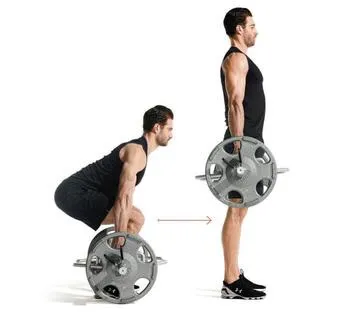
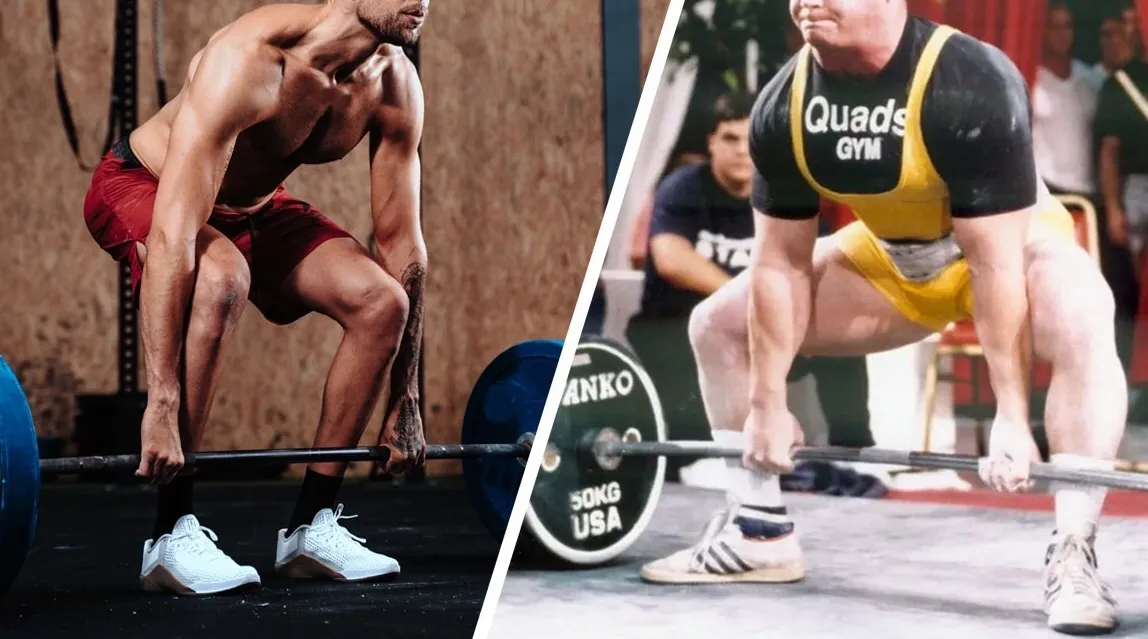
The conventional and sumo styles of barbell deadlift are the most widely studied and competed in the sport of powerlifting, and they both use a straight bar. As compared to the sumo-style stance, which measures 65–70 centimeters, the conventional deadlift has a narrower base of support of 32–33 centimeters.
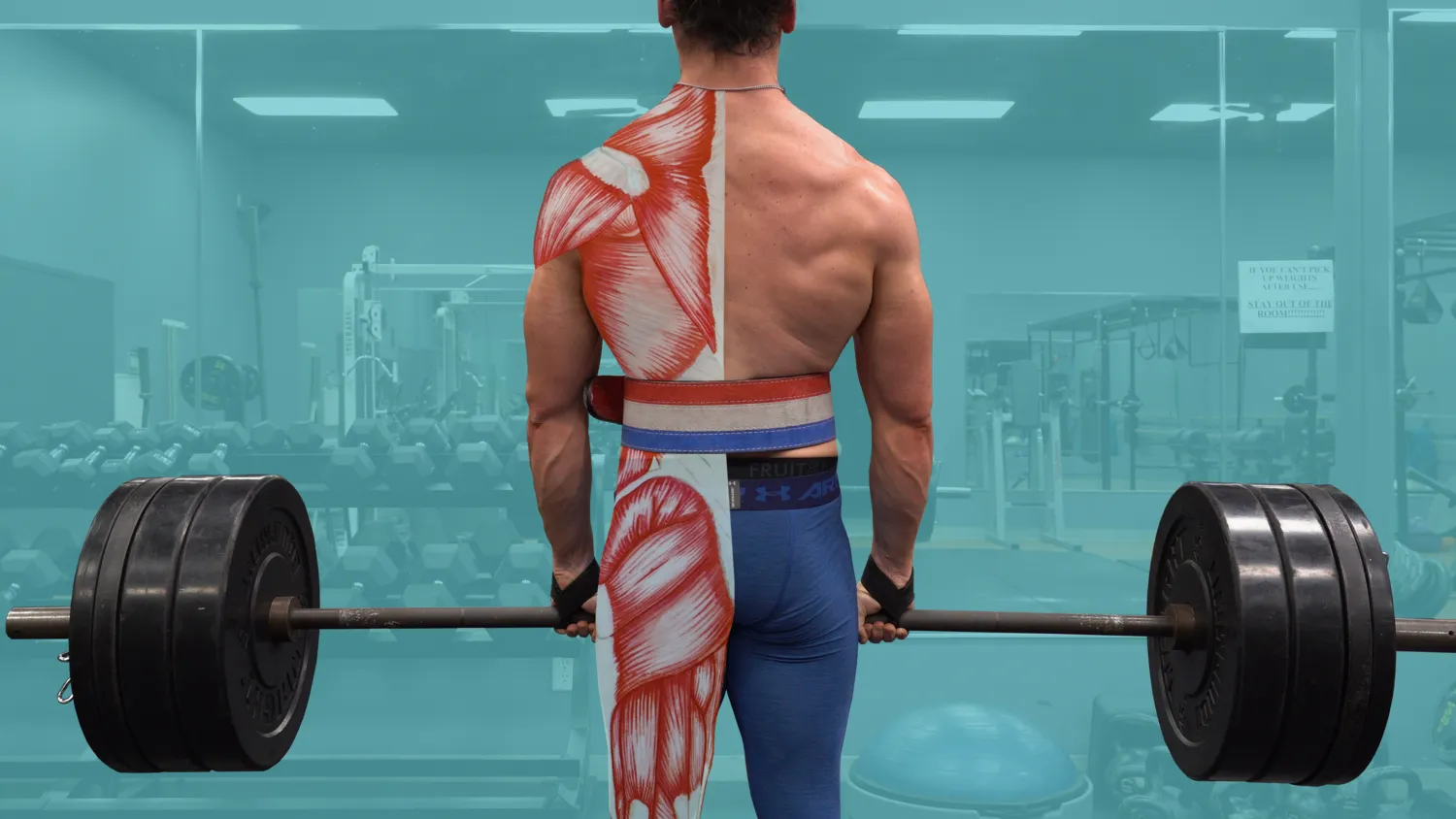
The deadlift, in particular, is an excellent way to strengthen the upper and lower back, which can help prevent future back issues. Because the deadlift is a structural exercise that places a strain on the spine and hips, it can assist in increasing bone density and preventing osteoporosis by stimulating bone formation and lowering bone loss.
Prior to beginning work on DEADLIFT, it is necessary to understand that each biological system in the human body has a physiological ceiling impacted by both genetic coding and upcoming environmental circumstances. The genetic component accounts for around 40% to 50% of muscle fiber type (slow vs. fast twitch), 30% to 70% of heart size, and 30% to 50% of maximal oxygen consumption and utilization. Apart from training and strength, there are a few more considerations.
Strength training regimens can be improved as we gain a better understanding of how the human body works mechanically and how skeletal muscles react to various stimuli. Thus, every biological system that has not yet hit its peak has additional muscular strength reserves that can aid in improving deadlift performance.
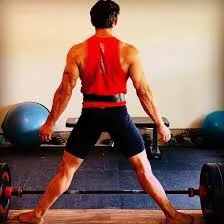
The deadlift is primarily a floor movement that needs a significant amount of hip extension. To lift the deadweight, our spine must be stiffened and our hips flexed.
The key joints involved in force generation during the deadlift are the hips, knees, and ankles. The ankle plantar flexors and knee extensors must be engaged, but the hip extensors and knee flexors must be engaged to the maximum extent feasible.
The erector spinae, trapezius, levator scapula, and rhomboids all act as upper body stabilizers, as do the hamstrings and gastrocnemius in the lower body. They support one joint to enable for movement in another joint.
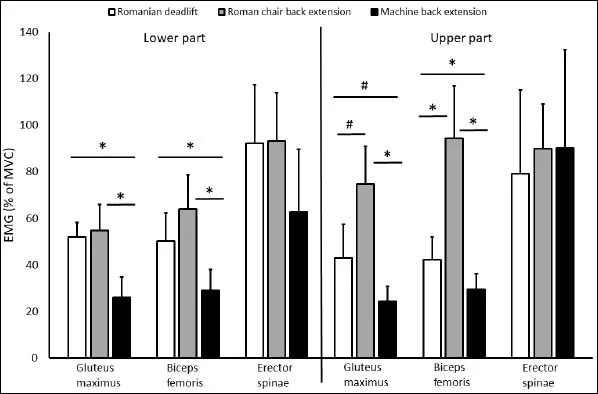
Coaches can optimize their players’ deadlift performance by experimenting with different lift styles and determining which one is most appropriate for each individual. To aid in selection, S&C professionals may benefit from having an awareness of muscle architecture, anthropometrics, and fiber number and composition.
Understanding the biomechanics of Deadlift:
Physical laws govern how things move. It is possible to improve the lift’s efficiency and allow for greater peak performance by applying biomechanical principles to the deadlifting technique. Poor body mechanics, on the other hand, are inefficient and can lead to injury.
Conventional / Traditionally Deadlift:
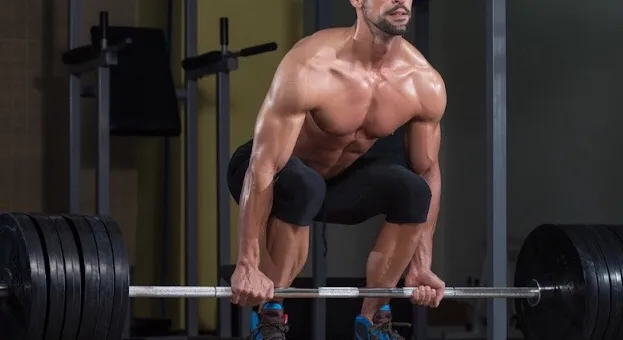
The erector spinae, trapezius, quadriceps, and hamstring muscles are used in the conventional style (Stone & O’Bryant, 1987). Following a closer examination of the conventional deadlift movement, it is found that all of the muscles involved in the lift contribute to some degree (Farley, 1995).
The mechanical advantage needed to generate more force can be increased by keeping the load as close to the body as possible.
Leg-lifting does not appear to be the preferred option or even practicable while completing really heavy conventional style deadlifts. As the lifting loads increase, the capacity to sustain the lumbar lordosis reduces as a result of the erectors’ inability to counteract the large forces generated by the hip extensor muscles during the early lift phase. Traditional deadlifts are often performed with an accentuated kyphotic bend in the back of the neck, although this isn’t always the case when the lifter is performing full effort.
The Sumo Deadlift
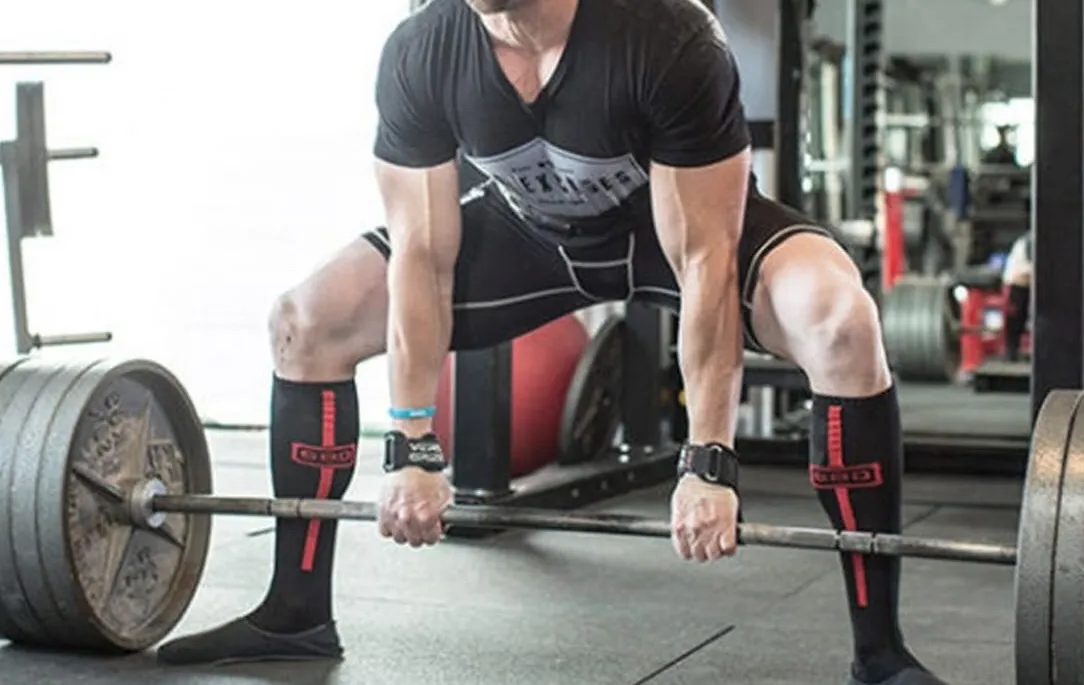
Biomechanically, the sumo lift is thought to be the superior lifting technique to the squat and deadlift (McGuigan & Wilson, 1996). With a shorter stroke, it is argued that bar travel is reduced, allowing more muscle fibers from the posterior chain to be recruited.
The wide stance employed during a sumo deadlift reduces the external flexor moment at the knee, hip, and L5/S1 joints due to the lower mass center of the upper body. During the sumo style lift, knee extension is not a primary movement since the barbell’s location positions the quadriceps in an excellent position to generate larger force magnitude while maintaining a wide stance.
A spinal flexion moment, a hip flexion moment, and a knee flexion moment are the four main challenges in the deadlift. You also need to be able to hold onto the bar.
As the distance between the bar and any intervertebral joint in the sagittal plane (relative to the torso) increases, the spinal flexor moment increases.
A longer and more inclined torso means greater demands on the spine’s ability to extend. This is the primary reason why more conventional deadlifters are constrained by back strength than sumo deadlifters – your torso is inclined further forward at the start of a conventional deadlift.
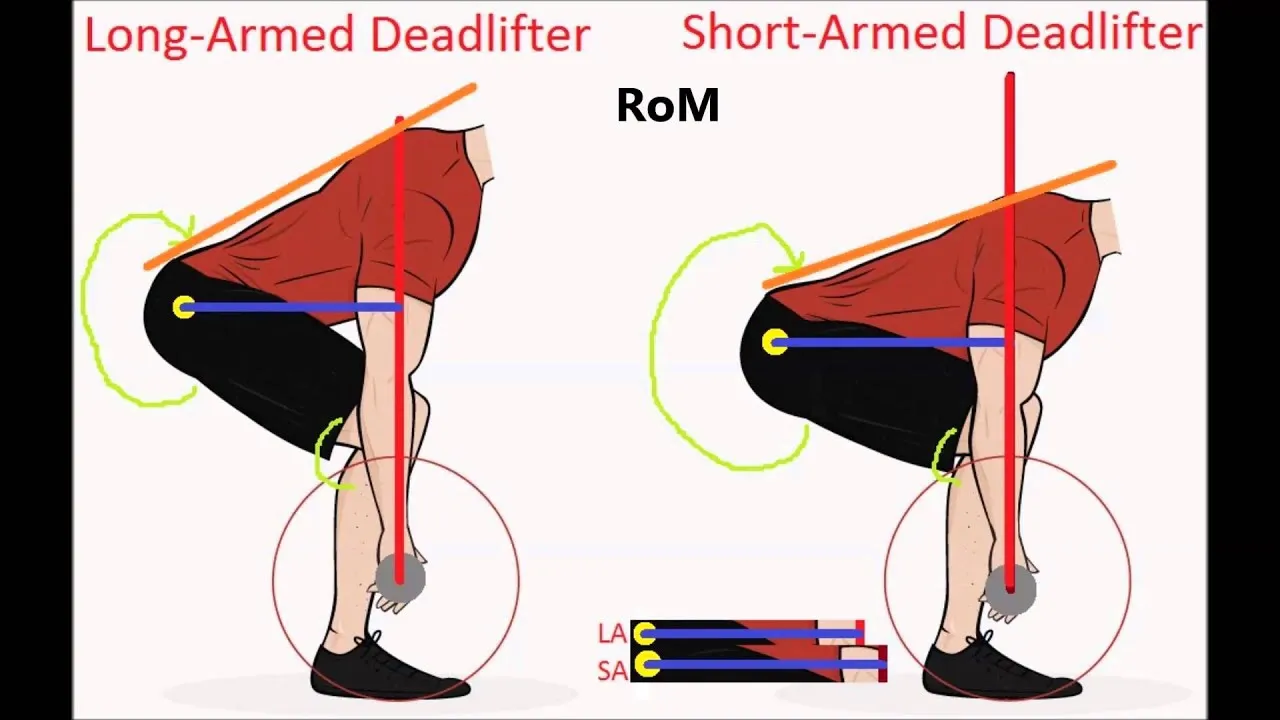
If a conventional deadlifter is limited by back fatigue, sumo deadlifts allow them to train the general deadlift pattern more frequently. Sumo deadlifters, on the other hand, often suffer from achy hips due to excessive sumo deadlift training, and can alleviate this discomfort by training the conventional deadlift instead.
The video give you the details of why people are not able to heavy deadlift:
The following are the most viewed videos on YouTube for deadlifts:
डॉ. नीरज मेहता, PhD (फिटनेस थेरेपिस्ट), American Sports Fitness University में प्रोफ़ेसर & GFFI Fitness Academy के COO द्वारा लिखित
डेडलिफ्ट शक्ति-निर्माण का एक उत्कृष्ट व्यायाम है जिसे किसी भी प्रशिक्षण योजना में सम्मिलित किया जा सकता है, क्योंकि भार को आपका ऊपरी शरीर थामे रहता है जबकि आपका निचला शरीर उसे ऊपर उठाता है।
बारबेल डेडलिफ्ट की कन्वेंशनल और सूमो शैलियाँ पावरलिफ्टिंग खेल में सर्वाधिक अध्ययन की गई और प्रतिस्पर्धा में प्रयुक्त शैलियाँ हैं, और दोनों में सीधे बार का उपयोग होता है। सूमो-शैली के रुख़ (stance), जिसकी माप 65–70 सेंटीमीटर होती है, की तुलना में कन्वेंशनल डेडलिफ्ट का आधार-क्षेत्र (base of support) 32–33 सेंटीमीटर के साथ संकरा होता है।
विशेष रूप से डेडलिफ्ट ऊपरी और निचली पीठ को सुदृढ़ करने का एक उत्कृष्ट उपाय है, जो भविष्य में पीठ संबंधी समस्याओं को रोकने में सहायक हो सकता है। चूँकि डेडलिफ्ट एक संरचनात्मक व्यायाम है जो मेरुदंड और कूल्हों पर तनाव डालता है, इसलिए यह अस्थि-निर्माण को उत्तेजित करके और अस्थि-क्षय को कम करके अस्थि-घनत्व बढ़ाने तथा ऑस्टियोपोरोसिस को रोकने में सहायक हो सकता है।
DEADLIFT पर कार्य आरंभ करने से पूर्व यह समझना आवश्यक है कि मानव शरीर के प्रत्येक जैविक तंत्र की एक शारीरिक सीमा (physiological ceiling) होती है, जो आनुवंशिक कूटलेखन और आगामी पर्यावरणीय परिस्थितियों दोनों से प्रभावित होती है। आनुवंशिक घटक पेशी-तंतु प्रकार (स्लो बनाम फ़ास्ट ट्विच) का लगभग 40% से 50%, हृदय के आकार का 30% से 70%, तथा अधिकतम ऑक्सीजन उपभोग और उपयोग का 30% से 50% निर्धारित करता है। प्रशिक्षण और शक्ति के अतिरिक्त, कुछ अन्य विचारणीय बिंदु भी हैं।
जैसे-जैसे हम यह बेहतर समझते हैं कि मानव शरीर यांत्रिक रूप से कैसे कार्य करता है और कंकाल पेशियाँ विभिन्न उद्दीपनों के प्रति कैसी प्रतिक्रिया देती हैं, शक्ति-प्रशिक्षण पद्धतियों में सुधार किया जा सकता है। इस प्रकार, प्रत्येक जैविक तंत्र जो अभी अपने शिखर तक नहीं पहुँचा है, उसमें अतिरिक्त पेशीय शक्ति-भंडार होता है जो डेडलिफ्ट प्रदर्शन में सुधार करने में सहायक हो सकता है।
डेडलिफ्ट मूलतः फ़र्श से की जाने वाली गति है जिसमें पर्याप्त मात्रा में कूल्हे के प्रसारण (hip extension) की आवश्यकता होती है। निष्क्रिय भार (deadweight) को उठाने के लिए हमारे मेरुदंड को दृढ़ और कूल्हों को आकुंचित होना चाहिए।
डेडलिफ्ट के दौरान बल-उत्पादन में सम्मिलित प्रमुख संधियाँ कूल्हे, घुटने और टखने हैं। टखने के प्लांटर फ़्लेक्सर और घुटने के प्रसारक (knee extensors) सक्रिय होने चाहिए, परंतु कूल्हे के प्रसारक (hip extensors) और घुटने के आकुंचक (knee flexors) यथासंभव अधिकतम सीमा तक सक्रिय होने चाहिए।
इरेक्टर स्पाइनी, ट्रेपेज़ियस, लिवेटर स्कैपुली और रॉमबॉइड्स सभी ऊपरी शरीर के स्थिरक के रूप में कार्य करते हैं, जैसे निचले शरीर में हैमस्ट्रिंग और गैस्ट्रोक्नेमियस करते हैं। ये एक संधि को सहारा देते हैं ताकि दूसरी संधि में गति संभव हो सके।
प्रशिक्षक विभिन्न लिफ्ट-शैलियों के साथ प्रयोग करके और यह निर्धारित करके कि प्रत्येक व्यक्ति के लिए कौन-सी शैली सर्वाधिक उपयुक्त है, अपने खिलाड़ियों के डेडलिफ्ट प्रदर्शन को अनुकूलित कर सकते हैं। चयन में सहायता हेतु, S&C पेशेवरों को पेशी-संरचना, मानवमिति (anthropometrics), तथा तंतु-संख्या और संरचना की जानकारी से लाभ हो सकता है।
डेडलिफ्ट की जैवयांत्रिकी को समझना:
वस्तुएँ किस प्रकार गति करती हैं, यह भौतिक नियमों द्वारा नियंत्रित होता है। डेडलिफ्ट तकनीक में जैवयांत्रिक सिद्धांतों को लागू करके लिफ्ट की दक्षता में सुधार करना और उच्चतर शिखर-प्रदर्शन संभव बनाना संभव है। दूसरी ओर, खराब शारीरिक यांत्रिकी अकुशल होती है और चोट का कारण बन सकती है।
कन्वेंशनल / पारंपरिक डेडलिफ्ट:
कन्वेंशनल शैली में इरेक्टर स्पाइनी, ट्रेपेज़ियस, क्वाड्रिसेप्स और हैमस्ट्रिंग पेशियों का उपयोग होता है (Stone & O’Bryant, 1987)। कन्वेंशनल डेडलिफ्ट गति के सूक्ष्म परीक्षण से ज्ञात होता है कि लिफ्ट में सम्मिलित सभी पेशियाँ कुछ न कुछ योगदान देती हैं (Farley, 1995)।
भार को यथासंभव शरीर के निकट रखकर अधिक बल उत्पन्न करने हेतु आवश्यक यांत्रिक लाभ (mechanical advantage) को बढ़ाया जा सकता है।
वास्तव में भारी कन्वेंशनल शैली की डेडलिफ्ट करते समय पैरों से उठाना पसंदीदा विकल्प या व्यावहारिक भी प्रतीत नहीं होता। जैसे-जैसे उठाए जाने वाले भार बढ़ते हैं, कटि लॉर्डोसिस (lumbar lordosis) को बनाए रखने की क्षमता घटती जाती है, क्योंकि प्रारंभिक लिफ्ट चरण के दौरान कूल्हे की प्रसारक पेशियों द्वारा उत्पन्न बड़े बलों का प्रतिकार करने में इरेक्टर पेशियाँ असमर्थ होती हैं। पारंपरिक डेडलिफ्ट प्रायः गर्दन के पिछले भाग में उभरे हुए काइफ़ोटिक मोड़ के साथ की जाती हैं, यद्यपि जब लिफ्टर पूर्ण प्रयास कर रहा हो तब सदैव ऐसा नहीं होता।
सूमो डेडलिफ्ट
जैवयांत्रिक दृष्टि से, सूमो लिफ्ट को स्क्वाट और डेडलिफ्ट की तुलना में श्रेष्ठ लिफ्टिंग तकनीक माना जाता है (McGuigan & Wilson, 1996)। यह तर्क दिया जाता है कि छोटे स्ट्रोक के कारण बार की यात्रा-दूरी कम हो जाती है, जिससे पश्च शृंखला (posterior chain) के अधिक पेशी-तंतुओं की भर्ती संभव होती है।
सूमो डेडलिफ्ट के दौरान अपनाया गया चौड़ा रुख़, ऊपरी शरीर के निम्नतर द्रव्यमान-केंद्र के कारण, घुटने, कूल्हे और L5/S1 संधियों पर बाह्य आकुंचक आघूर्ण (external flexor moment) को कम कर देता है। सूमो शैली की लिफ्ट के दौरान घुटने का प्रसारण प्राथमिक गति नहीं होता, क्योंकि बारबेल की स्थिति क्वाड्रिसेप्स को चौड़ा रुख़ बनाए रखते हुए अधिक परिमाण का बल उत्पन्न करने की उत्कृष्ट स्थिति में रखती है।
मेरुदंडीय आकुंचन आघूर्ण, कूल्हे का आकुंचन आघूर्ण, और घुटने का आकुंचन आघूर्ण डेडलिफ्ट की चार प्रमुख चुनौतियाँ हैं। आपको बार को पकड़े रखने में भी सक्षम होना चाहिए।
जैसे-जैसे बार और सैजिटल तल (sagittal plane) में (धड़ के सापेक्ष) किसी भी अंतराकशेरुकी संधि के बीच की दूरी बढ़ती है, मेरुदंडीय आकुंचक आघूर्ण बढ़ता है।
लंबे और अधिक झुके हुए धड़ का अर्थ है मेरुदंड की प्रसारण-क्षमता पर अधिक माँग। यही प्राथमिक कारण है कि सूमो डेडलिफ्टरों की तुलना में अधिक कन्वेंशनल डेडलिफ्टर पीठ की शक्ति से सीमित होते हैं – कन्वेंशनल डेडलिफ्ट के आरंभ में आपका धड़ आगे की ओर अधिक झुका होता है।
यदि कोई कन्वेंशनल डेडलिफ्टर पीठ की थकान से सीमित है, तो सूमो डेडलिफ्ट उसे सामान्य डेडलिफ्ट प्रतिरूप का अधिक बार प्रशिक्षण करने की सुविधा देती है। दूसरी ओर, सूमो डेडलिफ्टर प्रायः अत्यधिक सूमो डेडलिफ्ट प्रशिक्षण के कारण कूल्हों में पीड़ा से ग्रस्त होते हैं, और इसके स्थान पर कन्वेंशनल डेडलिफ्ट का प्रशिक्षण करके इस असुविधा को कम कर सकते हैं।
यह वीडियो आपको विस्तार से बताता है कि लोग भारी डेडलिफ्ट क्यों नहीं कर पाते:
डेडलिफ्ट के लिए YouTube पर सर्वाधिक देखे गए वीडियो निम्नलिखित हैं:
Escrito por el Dr. Neeraj Mehta, PhD (terapeuta del ejercicio), profesor en la American Sports Fitness University y COO de GFFI Fitness Academy
El peso muerto es un excelente ejercicio para desarrollar la fuerza que puede integrarse en cualquier plan de entrenamiento, ya que la carga es sostenida por el tren superior mientras el tren inferior la eleva.
Los estilos convencional y sumo del peso muerto con barra son los más estudiados y los más utilizados en competición en el powerlifting, y ambos emplean una barra recta. En comparación con la postura de estilo sumo, que mide 65–70 centímetros, el peso muerto convencional presenta una base de apoyo más estrecha, de 32–33 centímetros.
El peso muerto, en particular, es una forma excelente de fortalecer la parte superior e inferior de la espalda, lo que puede ayudar a prevenir futuros problemas de espalda. Dado que el peso muerto es un ejercicio estructural que somete a carga la columna y las caderas, puede contribuir a aumentar la densidad ósea y a prevenir la osteoporosis al estimular la formación ósea y reducir la pérdida de masa ósea.
Antes de comenzar a trabajar el PESO MUERTO, es necesario comprender que cada sistema biológico del cuerpo humano tiene un techo fisiológico condicionado tanto por la codificación genética como por las circunstancias ambientales que se presenten. El componente genético explica aproximadamente entre el 40% y el 50% del tipo de fibra muscular (contracción lenta frente a rápida), entre el 30% y el 70% del tamaño del corazón y entre el 30% y el 50% del consumo y la utilización máximos de oxígeno. Además del entrenamiento y la fuerza, existen algunas otras consideraciones.
Los programas de entrenamiento de fuerza pueden mejorarse a medida que comprendemos mejor cómo funciona mecánicamente el cuerpo humano y cómo reaccionan los músculos esqueléticos ante diversos estímulos. Así, todo sistema biológico que aún no ha alcanzado su máximo dispone de reservas adicionales de fuerza muscular que pueden contribuir a mejorar el rendimiento en el peso muerto.
El peso muerto es fundamentalmente un movimiento desde el suelo que requiere una extensión de cadera considerable. Para levantar la carga, la columna debe rigidizarse y las caderas deben estar flexionadas.
Las articulaciones clave que intervienen en la generación de fuerza durante el peso muerto son las caderas, las rodillas y los tobillos. Los flexores plantares del tobillo y los extensores de la rodilla deben activarse, pero los extensores de la cadera y los flexores de la rodilla deben activarse en la mayor medida posible.
Los erectores de la columna, el trapecio, el elevador de la escápula y los romboides actúan como estabilizadores del tren superior, al igual que los isquiotibiales y el gastrocnemio en el tren inferior. Estabilizan una articulación para permitir el movimiento en otra.
Los entrenadores pueden optimizar el rendimiento de sus deportistas en el peso muerto experimentando con distintos estilos de levantamiento y determinando cuál es el más adecuado para cada persona. Para facilitar la elección, a los profesionales de la fuerza y el acondicionamiento (S&C) les puede resultar útil conocer la arquitectura muscular, la antropometría y el número y la composición de las fibras.
Comprender la biomecánica del peso muerto:
Las leyes físicas rigen el movimiento de los cuerpos. Es posible mejorar la eficiencia del levantamiento y favorecer un mayor rendimiento máximo aplicando principios biomecánicos a la técnica del peso muerto. Por el contrario, una mecánica corporal deficiente es ineficiente y puede provocar lesiones.
Peso muerto convencional / tradicional:
En el estilo convencional se utilizan los músculos erectores de la columna, el trapecio, el cuádriceps y los isquiotibiales (Stone & O’Bryant, 1987). Tras un examen más detallado del movimiento del peso muerto convencional, se observa que todos los músculos implicados en el levantamiento contribuyen en algún grado (Farley, 1995).
La ventaja mecánica necesaria para generar más fuerza puede incrementarse manteniendo la carga lo más cerca posible del cuerpo.
El levantamiento predominantemente con las piernas no parece ser la opción preferida, ni siquiera viable, al realizar pesos muertos convencionales con cargas muy elevadas. A medida que aumentan las cargas, disminuye la capacidad de mantener la lordosis lumbar, debido a que los erectores no pueden contrarrestar las grandes fuerzas generadas por los músculos extensores de la cadera durante la fase inicial del levantamiento. Los pesos muertos tradicionales se realizan a menudo con una flexión cifótica acentuada en la parte posterior del cuello, aunque no siempre ocurre así cuando el levantador realiza un esfuerzo máximo.
El peso muerto sumo
Desde el punto de vista biomecánico, se considera que el levantamiento sumo es una técnica superior a la sentadilla y al peso muerto (McGuigan & Wilson, 1996). Se argumenta que, con un recorrido más corto, se reduce el desplazamiento de la barra, lo que permite reclutar más fibras musculares de la cadena posterior.
La postura amplia empleada en el peso muerto sumo reduce el momento flexor externo en las articulaciones de la rodilla, la cadera y L5/S1, debido al centro de masa más bajo del tren superior. Durante el levantamiento de estilo sumo, la extensión de rodilla no es un movimiento principal, ya que la ubicación de la barra sitúa al cuádriceps en una posición excelente para generar una mayor magnitud de fuerza manteniendo una postura amplia.
Un momento de flexión espinal, un momento de flexión de cadera y un momento de flexión de rodilla son los cuatro desafíos principales del peso muerto. También es necesario ser capaz de mantener el agarre de la barra.
A medida que aumenta la distancia entre la barra y cualquier articulación intervertebral en el plano sagital (con respecto al tronco), aumenta el momento flexor espinal.
Un tronco más largo y más inclinado implica mayores exigencias sobre la capacidad de extensión de la columna. Esta es la razón principal por la que un mayor número de levantadores de peso muerto convencional se ven limitados por la fuerza de la espalda que los de peso muerto sumo: el tronco está más inclinado hacia delante al inicio de un peso muerto convencional.
Si un levantador de peso muerto convencional se ve limitado por la fatiga de la espalda, el peso muerto sumo le permite entrenar con mayor frecuencia el patrón general del peso muerto. Por su parte, los levantadores de peso muerto sumo sufren a menudo molestias en las caderas debido a un entrenamiento excesivo del sumo, y pueden aliviarlas entrenando en su lugar el peso muerto convencional.
El vídeo le ofrece los detalles de por qué muchas personas no son capaces de realizar pesos muertos con cargas elevadas:
Los siguientes son los vídeos sobre el peso muerto más vistos en YouTube:
كتبه د. نيراج ميهتا، PhD (معالج باللياقة البدنية)، الأستاذ في American Sports Fitness University والمدير التنفيذي للعمليات (COO) في أكاديمية GFFI Fitness
تُعدّ الرفعة الميتة (deadlift) تمرينًا ممتازًا لبناء القوة يمكن دمجه في أي خطة تدريبية، لأن الوزن يُحمل بالجزء العلوي من الجسم بينما يرفعه الجزء السفلي.
يُعدّ الأسلوبان التقليدي والسومو (sumo) للرفعة الميتة بالقضيب الأكثر دراسةً وتنافسًا في رياضة رفع القوة، ويستخدم كلاهما قضيبًا مستقيمًا. ومقارنةً بوقفة السومو التي يبلغ عرضها 65–70 سنتيمترًا، تتميّز الرفعة الميتة التقليدية بقاعدة ارتكاز أضيق تبلغ 32–33 سنتيمترًا.
تُعدّ الرفعة الميتة على وجه الخصوص وسيلة ممتازة لتقوية أعلى الظهر وأسفله، مما قد يُساعد على الوقاية من مشكلات الظهر مستقبلًا. ولأن الرفعة الميتة تمرين بنيوي يُلقي إجهادًا على العمود الفقري والوركين، فإنها قد تُسهم في زيادة كثافة العظام والوقاية من هشاشة العظام (osteoporosis) من خلال تحفيز تكوّن العظم والحدّ من فقدانه.
قبل البدء بالعمل على الرفعة الميتة (DEADLIFT)، من الضروري إدراك أن لكل جهاز حيوي في جسم الإنسان سقفًا فسيولوجيًا يتأثر بالترميز الوراثي وبالظروف البيئية اللاحقة على حدّ سواء. ويُفسّر المكوّن الوراثي نحو 40% إلى 50% من نوع الألياف العضلية (بطيئة الانقباض مقابل سريعة الانقباض)، و30% إلى 70% من حجم القلب، و30% إلى 50% من الحد الأقصى لاستهلاك الأكسجين واستخدامه. وإلى جانب التدريب والقوة، هناك بعض الاعتبارات الأخرى.
يمكن تحسين أنظمة تدريب القوة كلما تعمّق فهمنا لكيفية عمل جسم الإنسان ميكانيكيًا وكيفية استجابة العضلات الهيكلية لمختلف المحفّزات. ومن ثمّ، فإن كل جهاز حيوي لم يبلغ ذروته بعد يمتلك احتياطيات إضافية من القوة العضلية يمكن أن تُساعد على تحسين الأداء في الرفعة الميتة.
الرفعة الميتة في الأساس حركة تبدأ من الأرض وتتطلب قدرًا كبيرًا من بسط الورك. ولرفع الثقل الساكن، يجب أن يتصلّب العمود الفقري وأن ينثني الوركان.
المفاصل الرئيسية المشاركة في توليد القوة أثناء الرفعة الميتة هي الوركان والركبتان والكاحلان. ويجب إشراك العضلات القابضة الأخمصية للكاحل (ankle plantar flexors) والعضلات الباسطة للركبة، لكن يجب إشراك العضلات الباسطة للورك والقابضة للركبة إلى أقصى حدّ ممكن.
تعمل العضلة الناصبة للفقار (erector spinae)، والعضلة شبه المنحرفة، والعضلة الرافعة للوح الكتف، والعضلات المعيّنية جميعها مثبّتات للجزء العلوي من الجسم، وكذلك عضلات أوتار الركبة (hamstrings) والعضلة التوأمية الساقية (gastrocnemius) في الجزء السفلي من الجسم. فهي تدعم مفصلًا لتتيح الحركة في مفصل آخر.
يستطيع المدرّبون تحسين أداء لاعبيهم في الرفعة الميتة من خلال تجربة أساليب رفع مختلفة وتحديد الأنسب منها لكل فرد. وللمساعدة في هذا الاختيار، قد يستفيد مختصو القوة والتكييف (S&C) من الإلمام بالبنية العضلية والقياسات الأنثروبومترية وعدد الألياف وتركيبها.
فهم الميكانيكا الحيوية للرفعة الميتة:
تحكم القوانين الفيزيائية كيفية حركة الأشياء. ويمكن تحسين كفاءة الرفعة وإتاحة أداء أعلى في الذروة بتطبيق مبادئ الميكانيكا الحيوية على تقنية الرفعة الميتة. أما ميكانيكا الجسم السيئة، في المقابل، فهي غير كفؤة وقد تؤدي إلى الإصابة.
الرفعة الميتة التقليدية:
تُستخدم في الأسلوب التقليدي العضلة الناصبة للفقار، والعضلة شبه المنحرفة، والعضلة رباعية الرؤوس الفخذية، وعضلات أوتار الركبة (Stone & O’Bryant, 1987). وبعد فحص أدق لحركة الرفعة الميتة التقليدية، تبيّن أن جميع العضلات المشاركة في الرفعة تُسهم بدرجة ما (Farley, 1995).
يمكن زيادة الأفضلية الميكانيكية (mechanical advantage) اللازمة لتوليد قوة أكبر بإبقاء الحمل أقرب ما يمكن إلى الجسم.
لا يبدو الرفع بالساقين الخيار المفضّل، بل ولا حتى عمليًا، عند أداء رفعات ميتة تقليدية بأوزان ثقيلة جدًا. فمع ازدياد أحمال الرفع، تتراجع القدرة على الحفاظ على التقعّر القطني (lumbar lordosis) نتيجة عجز العضلات الناصبة عن مقاومة القوى الكبيرة التي تولّدها العضلات الباسطة للورك خلال طور الرفع المبكر. وكثيرًا ما تُؤدّى الرفعات الميتة التقليدية مع انحناء حدابي (kyphotic) واضح في مؤخرة الرقبة، وإن لم يكن ذلك هو الحال دائمًا عندما يبذل الرافع أقصى جهده.
الرفعة الميتة بأسلوب السومو
من الناحية الميكانيكية الحيوية، يُعتقد أن رفعة السومو تقنية رفع متفوّقة على القرفصاء والرفعة الميتة (McGuigan & Wilson, 1996). إذ يُحتجّ بأن قِصر مسار الحركة يُقلّل مسافة انتقال القضيب، مما يتيح تجنيد مزيد من الألياف العضلية في السلسلة الخلفية (posterior chain).
تُقلّل الوقفة العريضة المستخدمة في الرفعة الميتة بأسلوب السومو العزمَ القابض الخارجي عند مفاصل الركبة والورك وL5/S1، بسبب انخفاض مركز كتلة الجزء العلوي من الجسم. وخلال رفعة السومو، لا يكون بسط الركبة حركة أساسية، لأن موضع القضيب يضع العضلة رباعية الرؤوس الفخذية في وضع ممتاز لتوليد قوة أكبر مع الحفاظ على وقفة عريضة.
إن عزم ثني العمود الفقري، وعزم ثني الورك، وعزم ثني الركبة هي التحديات الأربعة الرئيسية في الرفعة الميتة. ويلزمك أيضًا أن تكون قادرًا على الإمساك بالقضيب.
مع ازدياد المسافة بين القضيب وأي مفصل بين الفقرات في المستوى السهمي (sagittal plane) (بالنسبة إلى الجذع)، يزداد العزم القابض للعمود الفقري.
يعني الجذع الأطول والأكثر ميلًا متطلبات أكبر على قدرة العمود الفقري على البسط. وهذا هو السبب الرئيسي في أن عدد الرافعين بالأسلوب التقليدي الذين تحدّهم قوة الظهر أكبر منه لدى الرافعين بأسلوب السومو – إذ يكون جذعك مائلًا إلى الأمام بدرجة أكبر في بداية الرفعة الميتة التقليدية.
إذا كان الرافع بالأسلوب التقليدي محدودًا بإجهاد الظهر، فإن الرفعات الميتة بأسلوب السومو تتيح له تدريب النمط العام للرفعة الميتة بتكرار أكبر. أما الرافعون بأسلوب السومو، في المقابل، فكثيرًا ما يعانون من آلام في الوركين بسبب الإفراط في التدريب بأسلوب السومو، ويمكنهم تخفيف هذا الانزعاج بالتدرّب على الرفعة الميتة التقليدية بدلًا منه.
يقدّم لك الفيديو تفاصيل الأسباب التي تجعل بعض الأشخاص عاجزين عن أداء الرفعة الميتة بأوزان ثقيلة:
فيما يلي أكثر مقاطع الفيديو مشاهدةً على YouTube عن الرفعة الميتة: