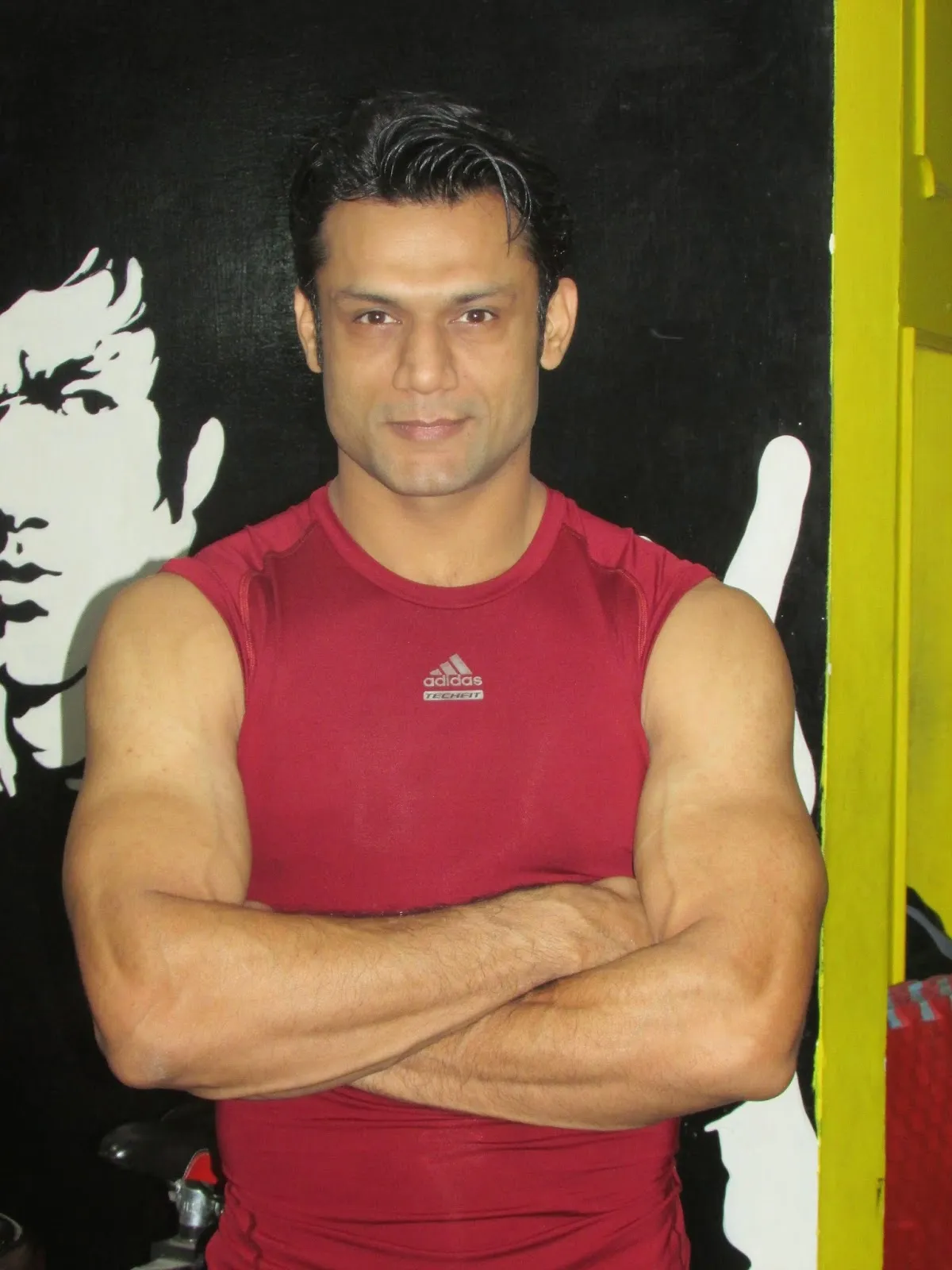


Written by Dr. Neeraj Mehta (Ph.D.) Human Biomechanics & Alternative Medicine, assistant professor at American Sports Fitness University & COO of Growth for Fitness Instructors Institute
When it comes to exercising, maintaining excellent form, which, when you think about it, is using accurate biomechanics, is the key to achieving maximum safety and maximum results
Dr. Neeraj Mehta
Biomechanics in the Real World
Sport-specific biomechanics is particularly important. In layman’s words, this means that the skills, or actions, required to jump over a high jump bar are vastly different than those required to hit a tennis ball with a tennis ball bat. In reality, no two sports are the same from one another. For example, there may be some parallels between pitching a softball underhanded and pitching a horseshoe, but the biomechanics of the two games are not the same even in that case.
When it comes to exercising, safety is really about maintaining excellent form, which, when you think about it, is about using accurate biomechanical principles: if you are applying good force, your form and movement will also be good, which significantly minimizes the danger of injury. The degree to which subjects move both securely and effectively is referred to as efficiency.
What role does biomechanics play in exercise?
Athletes’ performance is improved by the application of mechanical concepts to their technique, the equipment they use, and the modification of specific training protocols that are put in place by their coach or trainer to assist them in achieving their goals.
What are the five most important elements in biomechanics?
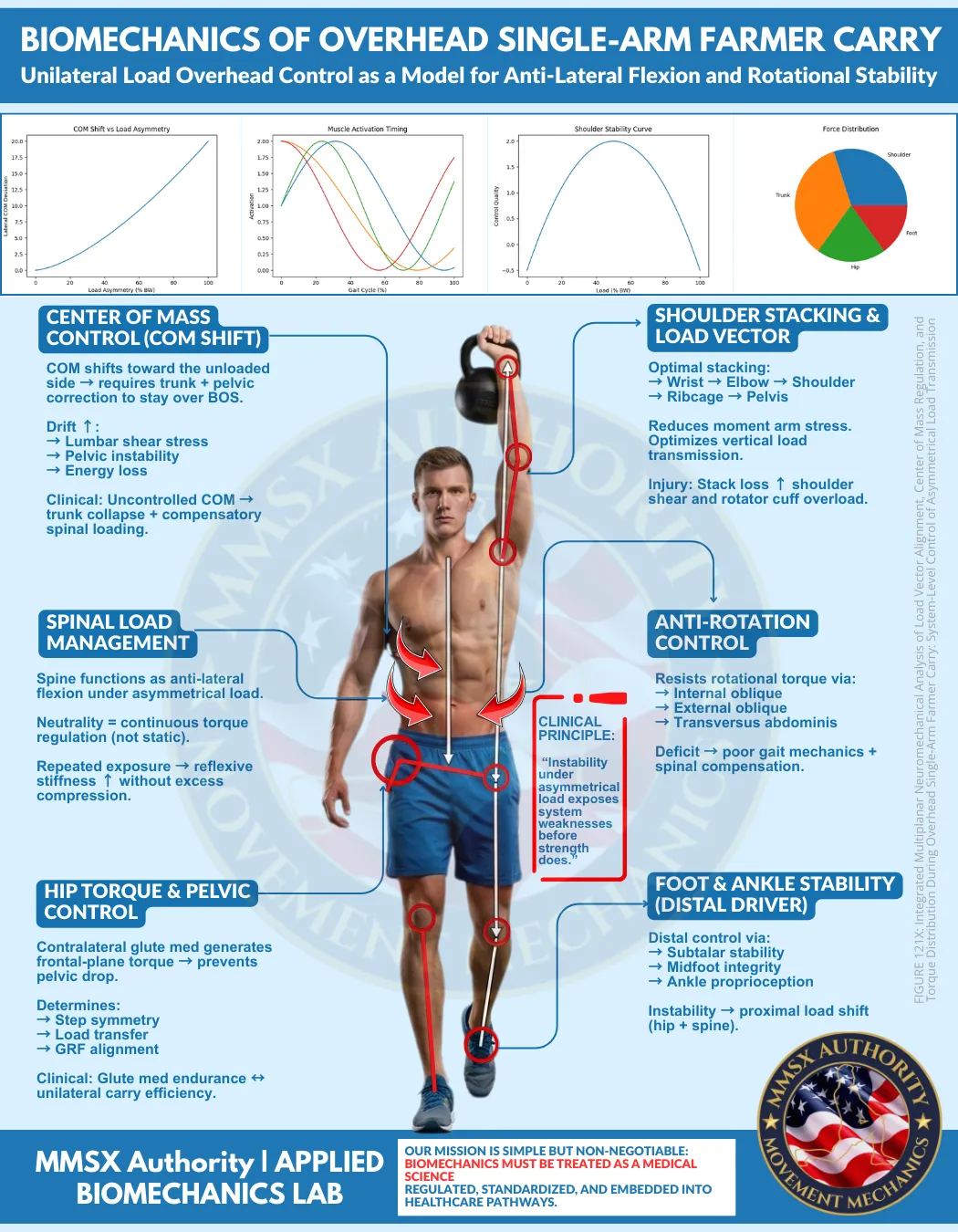
Motion, force, momentum, levers, and balance are the five most significant components in biomechanics: The movement of a body or an object across space is referred to as motion. The concepts of speed and acceleration are crucial in the study of motion.
Among the biomechanical principles that are vital in achieving this goal are the forces of motion, the range of motion, inertia, and force-time relationships.
Biomechanics Elements
Biomechanics focuses on the following key areas:
Dynamics is the study of systems in motion with acceleration and deceleration.
Kinematics: The study of motion patterns, including linear and angular changes in velocity over time, as well as position, displacement, velocity, and acceleration, to describe the effect of forces on a system.
Kinetics is the study of what causes motion, as well as the forces and moments at work.
Statics is the study of systems that are in equilibrium, either at rest or moving at a constant speed.
लेखक: डॉ. नीरज मेहता, PhD — मानव बायोमैकेनिक्स एवं वैकल्पिक चिकित्सा, American Sports Fitness University में सहायक प्रोफ़ेसर तथा Growth for Fitness Instructors Institute के COO
व्यायाम करते समय उत्कृष्ट फ़ॉर्म बनाए रखना — जिसका, यदि आप विचार करें, अर्थ है सटीक बायोमैकेनिक्स का उपयोग करना — अधिकतम सुरक्षा और अधिकतम परिणाम प्राप्त करने की कुंजी है
डॉ. नीरज मेहता, PhD
वास्तविक जगत में बायोमैकेनिक्स
खेल-विशिष्ट बायोमैकेनिक्स (sport-specific biomechanics) विशेष रूप से महत्वपूर्ण है। सामान्य शब्दों में, इसका अर्थ है कि हाई जंप बार के ऊपर से कूदने के लिए आवश्यक कौशल या क्रियाएँ, टेनिस गेंद को टेनिस बैट से मारने के लिए आवश्यक कौशलों से अत्यंत भिन्न होती हैं। वास्तव में, कोई भी दो खेल एक-दूसरे के समान नहीं होते। उदाहरण के लिए, सॉफ़्टबॉल को अंडरहैंड पिच करने और हॉर्सशू पिच करने में कुछ समानताएँ हो सकती हैं, परंतु उस स्थिति में भी दोनों खेलों का बायोमैकेनिक्स समान नहीं होता।
व्यायाम के संदर्भ में, सुरक्षा का वास्तविक अर्थ उत्कृष्ट फ़ॉर्म बनाए रखना है, जिसका, यदि आप विचार करें, अर्थ है सटीक बायोमैकेनिकल सिद्धांतों का उपयोग करना: यदि आप बल का उचित प्रयोग कर रहे हैं, तो आपका फ़ॉर्म और गति भी उचित होंगे, जिससे चोट का जोखिम उल्लेखनीय रूप से कम हो जाता है। जिस सीमा तक व्यक्ति सुरक्षित और प्रभावी दोनों ढंग से गति करते हैं, उसे दक्षता (efficiency) कहा जाता है।
व्यायाम में बायोमैकेनिक्स की क्या भूमिका है?
एथलीटों के प्रदर्शन में सुधार उनकी तकनीक, उनके द्वारा प्रयुक्त उपकरणों पर यांत्रिक अवधारणाओं के अनुप्रयोग, तथा उनके लक्ष्यों की प्राप्ति में सहायता के लिए उनके कोच या ट्रेनर द्वारा निर्धारित विशिष्ट प्रशिक्षण प्रोटोकॉल के संशोधन से होता है।
बायोमैकेनिक्स के पाँच सबसे महत्वपूर्ण तत्व कौन-से हैं?
गति (motion), बल (force), संवेग (momentum), उत्तोलक (levers) और संतुलन (balance) बायोमैकेनिक्स के पाँच सबसे महत्वपूर्ण घटक हैं: किसी पिंड या वस्तु का स्थान में संचलन गति कहलाता है। गति के अध्ययन में चाल (speed) और त्वरण (acceleration) की अवधारणाएँ अत्यंत महत्वपूर्ण हैं।
इस लक्ष्य की प्राप्ति में महत्वपूर्ण बायोमैकेनिकल सिद्धांतों में गति के बल, गति-सीमा (range of motion), जड़त्व (inertia) और बल-समय संबंध (force-time relationships) शामिल हैं।
बायोमैकेनिक्स के तत्व
बायोमैकेनिक्स निम्नलिखित प्रमुख क्षेत्रों पर केंद्रित है:
गतिकी (dynamics) त्वरण और मंदन (deceleration) के साथ गतिशील प्रणालियों का अध्ययन है।
शुद्ध गतिकी (kinematics): किसी प्रणाली पर बलों के प्रभाव का वर्णन करने हेतु गति-पैटर्नों का अध्ययन, जिसमें समय के साथ वेग में रैखिक और कोणीय परिवर्तन, तथा स्थिति, विस्थापन, वेग और त्वरण सम्मिलित हैं।
गतिज (kinetics) उस बात का अध्ययन है जो गति उत्पन्न करती है, तथा कार्यरत बलों और आघूर्णों (moments) का अध्ययन है।
स्थैतिकी (statics) उन प्रणालियों का अध्ययन है जो साम्यावस्था (equilibrium) में होती हैं, चाहे विश्राम अवस्था में हों या स्थिर चाल से गतिमान हों।
Redactado por el Dr. Neeraj Mehta, PhD, en Biomecánica Humana y Medicina Alternativa, profesor adjunto de la American Sports Fitness University y director de operaciones (COO) del Growth for Fitness Instructors Institute
A la hora de hacer ejercicio, mantener una técnica excelente, lo que, si se piensa bien, equivale a aplicar una biomecánica precisa, es la clave para lograr la máxima seguridad y los máximos resultados
Dr. Neeraj Mehta, PhD
La biomecánica en el mundo real
La biomecánica específica de cada deporte es especialmente importante. En términos sencillos, esto significa que las habilidades, o acciones, necesarias para superar el listón en el salto de altura son muy diferentes de las necesarias para golpear una pelota de tenis con una raqueta. En realidad, no hay dos deportes iguales. Por ejemplo, puede haber ciertos paralelismos entre lanzar una pelota de sóftbol por debajo del hombro y lanzar una herradura, pero, incluso en ese caso, la biomecánica de ambos juegos no es la misma.
En el ejercicio, la seguridad consiste fundamentalmente en mantener una técnica excelente, lo que, si se piensa bien, supone aplicar principios biomecánicos precisos: si aplica la fuerza correctamente, su técnica y su movimiento también serán correctos, lo que reduce de forma considerable el riesgo de lesión. El grado en que los sujetos se mueven de manera segura y eficaz a la vez se denomina eficiencia.
¿Qué papel desempeña la biomecánica en el ejercicio?
El rendimiento de los deportistas mejora mediante la aplicación de conceptos mecánicos a su técnica y al equipamiento que utilizan, así como mediante la modificación de protocolos de entrenamiento específicos establecidos por su entrenador o preparador para ayudarles a alcanzar sus objetivos.
¿Cuáles son los cinco elementos más importantes de la biomecánica?
El movimiento, la fuerza, la cantidad de movimiento (momentum), las palancas y el equilibrio son los cinco componentes más importantes de la biomecánica: el desplazamiento de un cuerpo o de un objeto en el espacio se denomina movimiento. Los conceptos de velocidad y aceleración son fundamentales en el estudio del movimiento.
Entre los principios biomecánicos esenciales para alcanzar este objetivo se encuentran las fuerzas del movimiento, el rango de movimiento, la inercia y las relaciones fuerza-tiempo.
Elementos de la biomecánica
La biomecánica se centra en las siguientes áreas clave:
La dinámica es el estudio de los sistemas en movimiento con aceleración y desaceleración.
Cinemática: estudio de los patrones de movimiento, incluidos los cambios lineales y angulares de la velocidad a lo largo del tiempo, así como la posición, el desplazamiento, la velocidad y la aceleración, para describir el efecto de las fuerzas sobre un sistema.
La cinética es el estudio de las causas del movimiento, así como de las fuerzas y los momentos que intervienen.
La estática es el estudio de los sistemas en equilibrio, ya sea en reposo o en movimiento a velocidad constante.
بقلم د. نيراج ميهتا، PhD (دكتوراه في الميكانيكا الحيوية البشرية والطب البديل)، أستاذ مساعد في American Sports Fitness University، والرئيس التنفيذي للعمليات في Growth for Fitness Instructors Institute
عندما يتعلق الأمر بممارسة التمارين، فإن الحفاظ على أداء حركي ممتاز، وهو في حقيقته استخدام ميكانيكا حيوية دقيقة، هو مفتاح تحقيق أقصى درجات الأمان وأفضل النتائج
د. نيراج ميهتا، PhD
الميكانيكا الحيوية في الواقع العملي
تكتسب الميكانيكا الحيوية الخاصة بكل رياضة (sport-specific biomechanics) أهمية بالغة. وبعبارة مبسّطة، يعني هذا أن المهارات أو الحركات اللازمة لاجتياز عارضة الوثب العالي تختلف اختلافًا جوهريًا عن تلك اللازمة لضرب كرة التنس بمضرب التنس. وفي الواقع، لا تتطابق رياضتان على الإطلاق. فعلى سبيل المثال، قد توجد بعض أوجه التشابه بين رمي كرة السوفتبول من أسفل اليد ورمي حدوة الحصان، لكن الميكانيكا الحيوية للعبتين ليست متماثلة حتى في هذه الحالة.
عندما يتعلق الأمر بممارسة التمارين، فإن الأمان يتمثل في الحقيقة في الحفاظ على أداء حركي ممتاز، وهو في جوهره تطبيق مبادئ ميكانيكية حيوية دقيقة: فإذا كنت تطبّق القوة على نحو سليم، فسيكون أداؤك وحركتك سليمين أيضًا، مما يقلّل خطر الإصابة تقليلًا ملحوظًا. ويُطلق على الدرجة التي يتحرك بها الأفراد بأمان وفعالية معًا اسم الكفاءة.
ما الدور الذي تؤديه الميكانيكا الحيوية في التمارين؟
يتحسّن أداء الرياضيين بتطبيق المفاهيم الميكانيكية على أسلوب أدائهم، وعلى المعدات التي يستخدمونها، وبتعديل بروتوكولات تدريبية محددة يضعها مدربهم لمساعدتهم على بلوغ أهدافهم.
ما العناصر الخمسة الأهم في الميكانيكا الحيوية؟
الحركة، والقوة، وكمية الحركة (momentum)، والروافع، والتوازن هي المكوّنات الخمسة الأهم في الميكانيكا الحيوية: ويُقصد بالحركة انتقال جسم أو شيء عبر الفراغ. ويُعدّ مفهوما السرعة والتسارع أساسيين في دراسة الحركة.
ومن المبادئ الميكانيكية الحيوية الحيوية لتحقيق هذا الهدف: قوى الحركة، ومدى الحركة، والقصور الذاتي، وعلاقات القوة والزمن (force-time relationships).
عناصر الميكانيكا الحيوية
تركّز الميكانيكا الحيوية على المجالات الرئيسية التالية:
الديناميكا (dynamics) هي دراسة الأنظمة المتحركة بتسارع وتباطؤ.
علم الحركة المجرّدة (kinematics): دراسة أنماط الحركة، بما في ذلك التغيرات الخطية والزاوية في السرعة بمرور الزمن، إضافة إلى الموضع والإزاحة والسرعة والتسارع، لوصف تأثير القوى في نظام ما.
علم الحركة التحريكي (kinetics) هو دراسة مسبّبات الحركة، والقوى والعزوم المؤثرة.
علم السكون (statics) هو دراسة الأنظمة التي تكون في حالة اتزان، سواء أكانت ساكنة أم متحركة بسرعة ثابتة.