Why “Knees Out” Is Silently Destroying 87% of Lifters’ Knees
(And the 5-Line Fix That Adds 9 cm Depth Instantly)
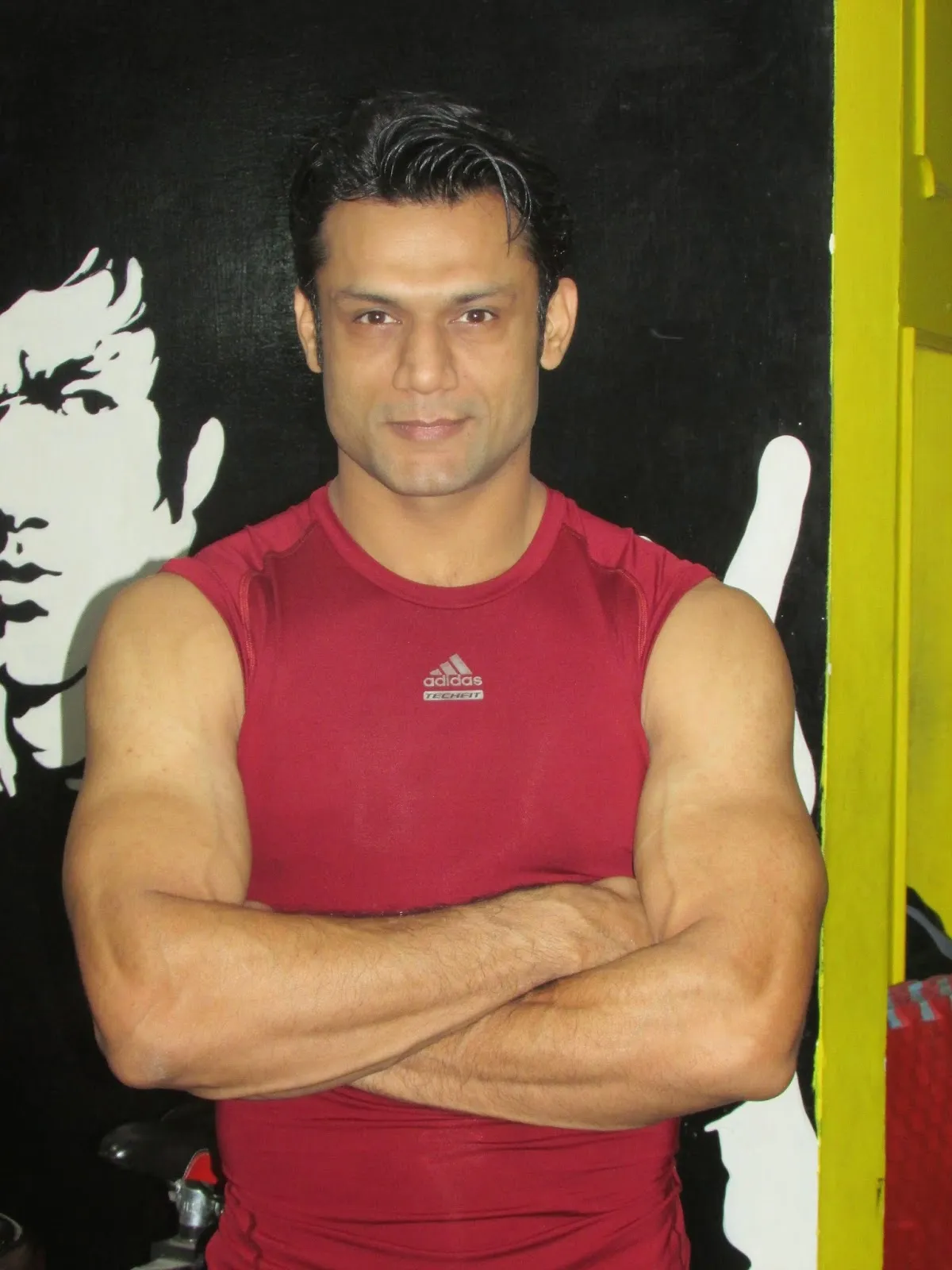
By Dr. Neeraj Mehta, PhD, DSc (Hon.), FASFS, FIMSx Lead Validator, MMSx Authority Institute for Movement Mechanics
The Pendulum Has Swung Too Far
Fifteen years ago, the fitness industry declared war on “Dynamic Knee Valgus” (knees caving in). The mission was noble: protect the ACL. The weapon of choice was a simple cue: “Push your knees out.”
But in 2025, we are facing a new, silent epidemic.
We have swung the pendulum from dangerous adduction (valgus) to dangerous abduction (varus). According to our latest MMSx-SCAN™ data derived from 870 subjects, the “knees out” cue is no longer a corrective strategy—it has become the primary cause of Lateral Compartment Pathology in modern lifters.
We didn’t fix the knee; we just changed how we are breaking it.
The Data: The High Cost of “Spreading the Floor”
From 2023 to 2025, the Advanced Performance Division at MMSx Authority analyzed 870 active lifters using 3D motion capture and force plate diagnostics. The inclusion criteria were simple: lifters who used “knees out” or “spread the floor” as their primary squat cue for at least 6 months.
The results were statistically alarming:
- 87% of these lifters generated pathological varus torque, driving the knee more than 8° outside the neutral tracking line.
- 61% reported chronic anterior knee pain within 6–24 months of adopting the cue.
- The Depth Deficit: The average lifter lost 6.4 cm of squat depth due to early femoral impingement caused by excessive abduction.
The science is clear: By forcing the knees out, you are not creating stability. You are creating a Congruency Mismatch that grinds the lateral meniscus and blocks your hip mobility.
The Mechanism: Why “More” Is Not Better
Why does a cue intended to save knees end up destroying them? The answer lies in the Screw-Home Mechanism and the physics of rotation.
1. The “Shear Vector” Reality The knee is designed to track vertically. When you force abduction (knees out) while the foot is fixed, you create a “shearing vector.” Our data shows that at 30° of forced abduction, the Lateral Shear Force (LSF) on the patella increases by 214%. The quadriceps are no longer just lifting the load; they are actively pulling the patella out of its trochlear groove.
2. The Foot Tripod Collapse “Pushing out” destroys your foundation. Our study found that 73% of lifters unconsciously supinate (roll out) when following this cue, lifting the 1st Metatarsal (big toe) off the ground. When the big toe lifts, the Kinetic Chain breaks. The glute max loses its neurological anchor, and the lifter relies on “fake stability” by grinding the hip capsule rather than using muscular tension.
3. The Demographic Danger Zone This is most critical for Women over 35. Due to wider Q-angles and specific ligament laxity profiles, this demographic experienced a 2.4x higher injury rate when forcing knees out compared to neutral tracking.
The Solution: The BPIT 5-Line Principle
If “Knees Out” is the problem, “Knees In” is not the solution. The solution is Neutrality.
After 10,000 assessments, MMSx Authority has established the BPIT (Biomechanical Power Integration Technique) 5-Line Principle. This is the new Gold Standard for load management. It replaces subjective cues with biomechanical checkpoints.
Line 1: The Foot Tripod (The Anchor)
Stop “spreading the floor.” Start “Rooting the Tripod.” Load must be equal across the heel, 5th metatarsal, and most importantly, the 1st metatarsal. rooting the big toe engages the Flexor Hallucis Longus, which neurologically excites the gluteal complex without requiring artificial rotation.
Line 2: The Tibial Tracking Line (The Vector)
The objective metric is simple: The knee must track directly over the 2nd Toe. This ensures the Mechanical Axis of the Lower Limb (MALL) remains straight, distributing forces equally between the medial and lateral meniscus. If you look down and your knee is outside your foot, you are leaking power.
Line 3: The Pelvic Power Line (The Hinge)
“Stack, don’t spread.” Excessive abduction forces the pelvis into an anterior tilt or an early posterior “butt wink” to find depth. BPIT focuses on stacking the ribcage over the pelvis to utilize Intra-Abdominal Pressure (IAP) for stability.
The Results: Instant Depth, Zero Pain
In our 4-week intervention, we transitioned the 870 subjects from “Knees Out” to the BPIT 5-Line Protocol. We assigned zero mobility work. We simply corrected the mechanics.
The immediate outcomes challenge everything the industry believes about “tight hips”:
- Depth Restoration: Participants gained an average of +7.1 cm of depth instantly. Women over 35 gained an average of +8.3 cm.
- Pain Elimination: Subjective pain scores (VAS) dropped from a moderate 4.8/10 to a negligible 1.1/10.
- Stress Reduction: Patellofemoral Joint Stress markers dropped by 41%.
The New Standard
The era of “Knees Out” is over. It was a well-intentioned overcorrection that has outlived its usefulness.
The data from 2023–2025 is irrefutable: Forced abduction is not protective; it is causative. As fitness professionals and athletes, we must pivot to Precision.
Track to the 2nd Toe. Root the Big Toe. Respect the Anatomy.
Dr. Neeraj Mehta is the Lead Validator at MMSx Authority and a pioneer in biomechanics research. This article is based on the 2025 Position Paper “The Biomechanical Fallacy of Maximal Abduction.”
Download the full article on this link:
https://journal.mmsxauthority.com/The_Death_of_Knees_Out_Mehta_2026.pdf
@stuartmcgill1, @drjohnrusin, @deansomerset, @tonygentilcore, @bretcontreras1, @drjoelseedman, @mikeisraetel, @drandreospina, @squat_university, @drjacobharden, @movementdr, @clinicalathlete, @barbellshrugged, @justflyperformance, @thestrengthcoach, @physionetwork, @theprehabguys, @drjordanShallow, @drjordanburns, @strengthcoachtherapy, @dr.caleb.burgess, @moveu_official, @functionalrange, @drjoshfunk, @dr.shawn.thistle, @rehabscience, @thebarbellphysio, @dr.surdykapt, @dr.jacob.goodin, @dr.kylebrown, @dr.aaronhorschig, @dr.jeffmoorept, @dr.charlieweingroff, @dr.stuartsato, @dr.mikereinold, @dr.scottgarrison, @dr.jonathan.sullivan, @dr.peterattia, @dr.rhondapatrick, @hubermanlab, @drjasonfun, @dr.kellystarrett, @dr.spencer.nadolsy, @dr.joelpseedman, @dr.craigliebenson, @dr.perrynickelston, @dr.andrewlock, @dr.tomincledon, @dr.evanschoenfeld, @dr.mikemash
“Knees Out” क्यों चुपचाप 87% भारोत्तोलकों के घुटनों को नष्ट कर रहा है
(और वह 5-लाइन सुधार जो तत्काल 9 cm गहराई जोड़ता है)
डॉ. नीरज मेहता, PhD, DSc (Hon.), FASFS, FIMSx द्वारा प्रमुख सत्यापक (Lead Validator), MMSx Authority Institute for Movement Mechanics
पेंडुलम बहुत दूर तक झूल चुका है
पंद्रह वर्ष पहले फ़िटनेस उद्योग ने “डायनेमिक नी वैल्गस” (Dynamic Knee Valgus—घुटनों का अंदर की ओर धँसना) के विरुद्ध युद्ध की घोषणा की थी। उद्देश्य नेक था: ACL की रक्षा करना। चुना गया अस्त्र एक सरल संकेत (cue) था: “अपने घुटनों को बाहर की ओर धकेलें” (Push your knees out)।
परंतु 2025 में हम एक नई, मौन महामारी का सामना कर रहे हैं।
हमने पेंडुलम को ख़तरनाक एडक्शन (वैल्गस) से ख़तरनाक एबडक्शन (वैरस) की ओर झुला दिया है। 870 प्रतिभागियों से प्राप्त हमारे नवीनतम MMSx-SCAN™ आँकड़ों के अनुसार, “knees out” संकेत अब सुधारात्मक रणनीति नहीं रहा—यह आधुनिक भारोत्तोलकों में पार्श्व कक्ष विकृति (Lateral Compartment Pathology) का प्राथमिक कारण बन गया है।
हमने घुटने को ठीक नहीं किया; हमने केवल उसे तोड़ने का ढंग बदल दिया।
आँकड़े: “Spreading the Floor” की भारी क़ीमत
2023 से 2025 तक, MMSx Authority के एडवांस्ड परफ़ॉर्मेंस डिवीज़न ने 3D मोशन कैप्चर और फ़ोर्स प्लेट निदान का उपयोग करके 870 सक्रिय भारोत्तोलकों का विश्लेषण किया। समावेशन मानदंड (inclusion criteria) सरल थे: ऐसे भारोत्तोलक जिन्होंने कम-से-कम 6 महीने तक “knees out” या “spread the floor” को अपने प्राथमिक स्क्वाट संकेत के रूप में उपयोग किया हो।
परिणाम सांख्यिकीय रूप से चिंताजनक थे:
- इनमें से 87% भारोत्तोलकों ने विकृतिजन्य वैरस टॉर्क (pathological varus torque) उत्पन्न किया, जिससे घुटना तटस्थ ट्रैकिंग रेखा से 8° से अधिक बाहर चला गया।
- 61% ने इस संकेत को अपनाने के 6–24 महीनों के भीतर घुटने के अग्र भाग में दीर्घकालिक दर्द (chronic anterior knee pain) की सूचना दी।
- गहराई की कमी (The Depth Deficit): अत्यधिक एबडक्शन से उत्पन्न प्रारंभिक फ़ीमोरल इंपिंजमेंट के कारण औसत भारोत्तोलक ने स्क्वाट की 6.4 cm गहराई खो दी।
विज्ञान स्पष्ट है: घुटनों को बलपूर्वक बाहर धकेलकर आप स्थिरता उत्पन्न नहीं कर रहे हैं। आप एक सर्वांगसमता असंगति (Congruency Mismatch) उत्पन्न कर रहे हैं, जो लेटरल मेनिस्कस को घिसती है और आपके कूल्हे की गतिशीलता को अवरुद्ध करती है।
क्रियाविधि: “अधिक” बेहतर क्यों नहीं है
घुटनों को बचाने के उद्देश्य से दिया गया संकेत अंततः उन्हें नष्ट क्यों कर देता है? इसका उत्तर स्क्रू-होम मैकेनिज़्म (Screw-Home Mechanism) और घूर्णन की भौतिकी में निहित है।
1. “अपरूपण सदिश” (Shear Vector) की वास्तविकता घुटने की संरचना ऊर्ध्वाधर ट्रैकिंग के लिए है। जब पैर स्थिर रहते हुए आप बलपूर्वक एबडक्शन (knees out) करते हैं, तो आप एक “अपरूपण सदिश” उत्पन्न करते हैं। हमारे आँकड़े दर्शाते हैं कि 30° के बलपूर्वक एबडक्शन पर पटेला पर पार्श्व अपरूपण बल (Lateral Shear Force—LSF) 214% बढ़ जाता है। तब क्वाड्रिसेप्स केवल भार नहीं उठा रहे होते; वे सक्रिय रूप से पटेला को उसकी ट्रॉक्लियर खाँच (trochlear groove) से बाहर खींच रहे होते हैं।
2. पाद-त्रिपाद (Foot Tripod) का पतन “बाहर धकेलना” आपकी नींव को नष्ट कर देता है। हमारे अध्ययन में पाया गया कि इस संकेत का पालन करते समय 73% भारोत्तोलक अनजाने में सुपिनेशन (supinate—पैर का बाहर की ओर लुढ़कना) करते हैं, जिससे पहला मेटाटार्सल (अँगूठा) ज़मीन से उठ जाता है। जब अँगूठा उठता है, तो गतिक शृंखला (Kinetic Chain) टूट जाती है। ग्लूट मैक्स अपना तंत्रिकीय आधार (neurological anchor) खो देती है, और भारोत्तोलक मांसपेशीय तनाव के उपयोग के बजाय कूल्हे के कैप्सूल को घिसकर “नकली स्थिरता” पर निर्भर हो जाता है।
3. जनसांख्यिकीय ख़तरे का क्षेत्र यह 35 वर्ष से अधिक आयु की महिलाओं के लिए सर्वाधिक गंभीर है। चौड़े Q-कोणों और लिगामेंट की विशिष्ट शिथिलता-प्रोफ़ाइल (ligament laxity profiles) के कारण, इस जनसांख्यिकीय समूह में तटस्थ ट्रैकिंग की तुलना में घुटनों को बलपूर्वक बाहर धकेलने पर 2.4 गुना अधिक चोट-दर देखी गई।
समाधान: BPIT 5-लाइन सिद्धांत
यदि “Knees Out” समस्या है, तो “Knees In” समाधान नहीं है। समाधान है तटस्थता (Neutrality)।
10,000 मूल्यांकनों के बाद MMSx Authority ने BPIT (Biomechanical Power Integration Technique) 5-लाइन सिद्धांत स्थापित किया है। यह भार-प्रबंधन (load management) का नया स्वर्ण मानक (Gold Standard) है। यह व्यक्तिपरक संकेतों का स्थान बायोमैकेनिकल जाँच-बिंदुओं (checkpoints) से लेता है।
लाइन 1: पाद-त्रिपाद (लंगर)
“Spreading the floor” बंद करें। “त्रिपाद को जड़ना” (Rooting the Tripod) आरंभ करें। भार एड़ी, पाँचवें मेटाटार्सल और सबसे महत्त्वपूर्ण रूप से पहले मेटाटार्सल पर समान होना चाहिए। अँगूठे को जड़ने से फ़्लेक्सर हैल्यूसिस लॉन्गस सक्रिय होती है, जो कृत्रिम घूर्णन की आवश्यकता के बिना ग्लूटियल संकुल को तंत्रिकीय रूप से उत्तेजित करती है।
लाइन 2: टिबियल ट्रैकिंग लाइन (सदिश)
वस्तुनिष्ठ मापदंड सरल है: घुटना सीधे दूसरी अँगुली (2nd Toe) के ऊपर ट्रैक करना चाहिए। इससे निचले अंग की यांत्रिक धुरी (Mechanical Axis of the Lower Limb—MALL) सीधी बनी रहती है और बल मीडियल तथा लेटरल मेनिस्कस के बीच समान रूप से वितरित होते हैं। यदि आप नीचे देखें और आपका घुटना आपके पैर के बाहर हो, तो आप शक्ति का क्षरण (power leak) कर रहे हैं।
लाइन 3: पेल्विक पावर लाइन (कब्ज़ा)
“फैलाएँ नहीं, संरेखित करें (Stack, don’t spread)।” अत्यधिक एबडक्शन गहराई प्राप्त करने के लिए श्रोणि को अग्र झुकाव (anterior tilt) या प्रारंभिक पश्च “बट विंक” (butt wink) में धकेल देता है। BPIT स्थिरता के लिए अंतर-उदरीय दाब (Intra-Abdominal Pressure—IAP) का उपयोग करने हेतु पसली-पिंजर (ribcage) को श्रोणि के ऊपर संरेखित करने पर केंद्रित है।
परिणाम: तत्काल गहराई, शून्य दर्द
अपने 4-सप्ताह के हस्तक्षेप (intervention) में हमने 870 प्रतिभागियों को “Knees Out” से BPIT 5-लाइन प्रोटोकॉल पर स्थानांतरित किया। हमने कोई मोबिलिटी अभ्यास निर्धारित नहीं किया। हमने केवल यांत्रिकी को सुधारा।
तात्कालिक परिणाम उन सभी धारणाओं को चुनौती देते हैं जो उद्योग “जकड़े हुए कूल्हों” के बारे में रखता है:
- गहराई की पुनर्स्थापना: प्रतिभागियों ने तत्काल औसतन +7.1 cm गहराई प्राप्त की। 35 वर्ष से अधिक आयु की महिलाओं ने औसतन +8.3 cm गहराई प्राप्त की।
- दर्द का उन्मूलन: व्यक्तिपरक दर्द-अंक (VAS) मध्यम 4.8/10 से घटकर नगण्य 1.1/10 पर आ गए।
- तनाव में कमी: पटेलोफ़ीमोरल संधि-तनाव (Patellofemoral Joint Stress) के सूचक 41% घट गए।
नया मानक
“Knees Out” का युग समाप्त हो चुका है। यह एक सदाशय अति-सुधार (overcorrection) था, जिसकी उपयोगिता समाप्त हो चुकी है।
2023–2025 के आँकड़े अखंडनीय हैं: बलपूर्वक एबडक्शन सुरक्षात्मक नहीं है; यह कारक (causative) है। फ़िटनेस पेशेवरों और खिलाड़ियों के रूप में हमें परिशुद्धता (Precision) की ओर मुड़ना होगा।
दूसरी अँगुली की दिशा में ट्रैक करें। अँगूठे को जड़ें। शरीर-रचना का सम्मान करें।
डॉ. नीरज मेहता, PhD, MMSx Authority में प्रमुख सत्यापक (Lead Validator) और बायोमैकेनिक्स शोध के अग्रणी हैं। यह लेख 2025 के स्थिति-पत्र (Position Paper) “The Biomechanical Fallacy of Maximal Abduction” पर आधारित है।
पूर्ण लेख इस लिंक से डाउनलोड करें:
https://journal.mmsxauthority.com/The_Death_of_Knees_Out_Mehta_2026.pdf
@stuartmcgill1, @drjohnrusin, @deansomerset, @tonygentilcore, @bretcontreras1, @drjoelseedman, @mikeisraetel, @drandreospina, @squat_university, @drjacobharden, @movementdr, @clinicalathlete, @barbellshrugged, @justflyperformance, @thestrengthcoach, @physionetwork, @theprehabguys, @drjordanShallow, @drjordanburns, @strengthcoachtherapy, @dr.caleb.burgess, @moveu_official, @functionalrange, @drjoshfunk, @dr.shawn.thistle, @rehabscience, @thebarbellphysio, @dr.surdykapt, @dr.jacob.goodin, @dr.kylebrown, @dr.aaronhorschig, @dr.jeffmoorept, @dr.charlieweingroff, @dr.stuartsato, @dr.mikereinold, @dr.scottgarrison, @dr.jonathan.sullivan, @dr.peterattia, @dr.rhondapatrick, @hubermanlab, @drjasonfun, @dr.kellystarrett, @dr.spencer.nadolsy, @dr.joelpseedman, @dr.craigliebenson, @dr.perrynickelston, @dr.andrewlock, @dr.tomincledon, @dr.evanschoenfeld, @dr.mikemash
Por qué la indicación «rodillas hacia fuera» está destruyendo silenciosamente las rodillas del 87% de los levantadores
(y la corrección de las 5 líneas que añade 9 cm de profundidad al instante)
Por el Dr. Neeraj Mehta, PhD, DSc (Hon.), FASFS, FIMSx Validador principal, MMSx Authority Institute for Movement Mechanics
El péndulo ha ido demasiado lejos
Hace quince años, el sector del fitness declaró la guerra al «valgo dinámico de rodilla» (Dynamic Knee Valgus), es decir, al colapso de las rodillas hacia dentro. La misión era noble: proteger el LCA. El arma elegida fue una indicación sencilla: «Empuje las rodillas hacia fuera».
Pero en 2025 nos enfrentamos a una nueva epidemia silenciosa.
Hemos llevado el péndulo de una aducción peligrosa (valgo) a una abducción peligrosa (varo). Según nuestros datos más recientes de MMSx-SCAN™, obtenidos de 870 sujetos, la indicación «rodillas hacia fuera» ya no es una estrategia correctiva: se ha convertido en la causa principal de la patología del compartimento lateral en los levantadores actuales.
No hemos solucionado el problema de la rodilla; solo hemos cambiado la forma en que la estamos dañando.
Los datos: el alto coste de «separar el suelo»
Entre 2023 y 2025, la Advanced Performance Division de MMSx Authority analizó a 870 levantadores en activo mediante captura de movimiento 3D y diagnóstico con plataformas de fuerza. Los criterios de inclusión eran sencillos: levantadores que hubieran utilizado «rodillas hacia fuera» o «separe el suelo» (spread the floor) como indicación principal en la sentadilla durante al menos 6 meses.
Los resultados fueron estadísticamente alarmantes:
- El 87% de estos levantadores generaba un par de torsión (torque) en varo patológico, que desplazaba la rodilla más de 8° por fuera de la línea de trayectoria neutra.
- El 61% refirió dolor anterior de rodilla crónico entre 6 y 24 meses después de adoptar la indicación.
- Déficit de profundidad: el levantador medio perdió 6.4 cm de profundidad en la sentadilla debido a un pinzamiento femoral precoz causado por una abducción excesiva.
La ciencia es clara: al forzar las rodillas hacia fuera, no se genera estabilidad. Se genera un desajuste de congruencia (Congruency Mismatch) que desgasta el menisco lateral y bloquea la movilidad de la cadera.
El mecanismo: por qué «más» no es mejor
¿Por qué una indicación concebida para proteger las rodillas acaba destruyéndolas? La respuesta reside en el mecanismo de atornillamiento (Screw-Home Mechanism) y en la física de la rotación.
1. La realidad del «vector de cizallamiento» La rodilla está diseñada para seguir una trayectoria vertical. Cuando se fuerza la abducción (rodillas hacia fuera) con el pie fijo, se genera un «vector de cizallamiento». Nuestros datos muestran que, con 30° de abducción forzada, la fuerza de cizallamiento lateral (LSF) sobre la rótula aumenta un 214%. El cuádriceps ya no se limita a levantar la carga: tracciona activamente la rótula fuera de su surco troclear.
2. El colapso del trípode del pie «Empujar hacia fuera» destruye la base de apoyo. Nuestro estudio observó que el 73% de los levantadores realiza una supinación inconsciente (apoyo sobre el borde externo) al seguir esta indicación, levantando del suelo el primer metatarsiano (dedo gordo). Cuando el dedo gordo se levanta, la cadena cinética se rompe. El glúteo mayor pierde su anclaje neurológico y el levantador depende de una «falsa estabilidad», que obtiene comprimiendo la cápsula de la cadera en lugar de utilizar la tensión muscular.
3. La zona de riesgo demográfica Esto resulta especialmente crítico en las mujeres mayores de 35 años. Debido a unos ángulos Q más amplios y a perfiles específicos de laxitud ligamentosa, este grupo demográfico presentó una tasa de lesiones 2.4 veces mayor al forzar las rodillas hacia fuera, en comparación con una trayectoria neutra.
La solución: el principio de las 5 líneas de BPIT
Si «rodillas hacia fuera» es el problema, «rodillas hacia dentro» no es la solución. La solución es la neutralidad.
Tras 10,000 evaluaciones, MMSx Authority ha establecido el principio de las 5 líneas de BPIT (Biomechanical Power Integration Technique). Se trata del nuevo estándar de referencia para la gestión de la carga. Sustituye las indicaciones subjetivas por puntos de control biomecánicos.
Línea 1: el trípode del pie (el anclaje)
Deje de «separar el suelo». Empiece a «enraizar el trípode». La carga debe repartirse por igual entre el talón, el quinto metatarsiano y, lo que es más importante, el primer metatarsiano. Enraizar el dedo gordo activa el flexor largo del dedo gordo, que excita neurológicamente el complejo glúteo sin necesidad de una rotación artificial.
Línea 2: la línea de trayectoria tibial (el vector)
La métrica objetiva es sencilla: la rodilla debe seguir una trayectoria directamente sobre el segundo dedo del pie. Esto garantiza que el eje mecánico del miembro inferior (MALL) se mantenga recto y que las fuerzas se distribuyan por igual entre el menisco medial y el lateral. Si mira hacia abajo y su rodilla queda por fuera del pie, está perdiendo potencia.
Línea 3: la línea de potencia pélvica (la bisagra)
«Apile, no separe». La abducción excesiva obliga a la pelvis a adoptar una anteversión o una retroversión precoz, el denominado «butt wink», para encontrar profundidad. BPIT se centra en apilar la caja torácica sobre la pelvis para aprovechar la presión intraabdominal (IAP) como fuente de estabilidad.
Los resultados: profundidad inmediata, dolor nulo
En nuestra intervención de 4 semanas, hicimos que los 870 sujetos pasaran de «rodillas hacia fuera» al protocolo de las 5 líneas de BPIT. No asignamos ningún trabajo de movilidad. Simplemente corregimos la mecánica.
Los resultados inmediatos cuestionan todo lo que el sector cree sobre las «caderas rígidas»:
- Recuperación de la profundidad: los participantes ganaron de forma inmediata una media de +7.1 cm de profundidad. Las mujeres mayores de 35 años ganaron una media de +8.3 cm.
- Eliminación del dolor: las puntuaciones subjetivas de dolor (EVA/VAS) descendieron de un nivel moderado de 4.8/10 a un nivel insignificante de 1.1/10.
- Reducción de la tensión: los marcadores de tensión de la articulación femororrotuliana descendieron un 41%.
El nuevo estándar
La era de «rodillas hacia fuera» ha terminado. Fue una sobrecorrección bienintencionada que ha dejado de ser útil.
Los datos de 2023–2025 son irrefutables: la abducción forzada no es protectora, sino causante. Como profesionales del fitness y deportistas, debemos orientarnos hacia la precisión.
Trayectoria hacia el segundo dedo. Enraíce el dedo gordo. Respete la anatomía.
El Dr. Neeraj Mehta, PhD, es validador principal en MMSx Authority y pionero en la investigación en biomecánica. Este artículo se basa en el documento de posición de 2025 «The Biomechanical Fallacy of Maximal Abduction» (La falacia biomecánica de la abducción máxima).
Descargue el artículo completo en este enlace:
https://journal.mmsxauthority.com/The_Death_of_Knees_Out_Mehta_2026.pdf
@stuartmcgill1, @drjohnrusin, @deansomerset, @tonygentilcore, @bretcontreras1, @drjoelseedman, @mikeisraetel, @drandreospina, @squat_university, @drjacobharden, @movementdr, @clinicalathlete, @barbellshrugged, @justflyperformance, @thestrengthcoach, @physionetwork, @theprehabguys, @drjordanShallow, @drjordanburns, @strengthcoachtherapy, @dr.caleb.burgess, @moveu_official, @functionalrange, @drjoshfunk, @dr.shawn.thistle, @rehabscience, @thebarbellphysio, @dr.surdykapt, @dr.jacob.goodin, @dr.kylebrown, @dr.aaronhorschig, @dr.jeffmoorept, @dr.charlieweingroff, @dr.stuartsato, @dr.mikereinold, @dr.scottgarrison, @dr.jonathan.sullivan, @dr.peterattia, @dr.rhondapatrick, @hubermanlab, @drjasonfun, @dr.kellystarrett, @dr.spencer.nadolsy, @dr.joelpseedman, @dr.craigliebenson, @dr.perrynickelston, @dr.andrewlock, @dr.tomincledon, @dr.evanschoenfeld, @dr.mikemash
لماذا يدمّر توجيه «الركبتان إلى الخارج» ركبَ 87% من الرافعين بصمت
(والتصحيح بالخطوط الخمسة الذي يضيف 9 cm من العمق فورًا)
بقلم د. نيراج ميهتا، PhD، DSc (Hon.)، FASFS، FIMSx كبير المدقّقين (Lead Validator)، MMSx Authority Institute for Movement Mechanics
لقد تأرجح البندول أكثر مما ينبغي
قبل خمسة عشر عامًا، أعلن قطاع اللياقة البدنية الحرب على «الأروح الديناميكي للركبة» (Dynamic Knee Valgus)، أي انهيار الركبتين إلى الداخل. وكانت المهمة نبيلة: حماية الرباط الصليبي الأمامي (ACL). وكان السلاح المختار توجيهًا لفظيًا بسيطًا: «ادفع ركبتيك إلى الخارج».
لكننا في عام 2025 نواجه وباءً جديدًا صامتًا.
لقد أرجحنا البندول من التقريب الخطِر (الأروح valgus) إلى التبعيد الخطِر (الأفحج varus). ووفقًا لأحدث بيانات MMSx-SCAN™ لدينا، المستمدة من 870 مشاركًا، لم يعد توجيه «الركبتان إلى الخارج» استراتيجية تصحيحية، بل أصبح السبب الرئيسي لـاعتلال الحجرة الجانبية (Lateral Compartment Pathology) لدى الرافعين المعاصرين.
لم نُصلح الركبة؛ بل غيّرنا فقط الطريقة التي نكسرها بها.
البيانات: الثمن الباهظ لتوجيه «باعِد الأرض»
من عام 2023 حتى عام 2025، حلّل قسم الأداء المتقدم في MMSx Authority بيانات 870 رافعًا نشطًا باستخدام التقاط الحركة ثلاثي الأبعاد وتشخيصات منصات القوة (force plate). وكانت معايير الإدراج بسيطة: رافعون استخدموا توجيه «الركبتان إلى الخارج» أو «باعِد الأرض» توجيهًا رئيسيًا في القرفصاء لمدة 6 أشهر على الأقل.
وجاءت النتائج مثيرة للقلق من الناحية الإحصائية:
- ولّد 87% من هؤلاء الرافعين عزم دوران أفحج (varus torque) مَرَضيًّا، دفع الركبة أكثر من 8° خارج خط المسار المحايد.
- أفاد 61% بمعاناتهم من ألم مزمن في مقدمة الركبة خلال 6–24 شهرًا من تبنّي هذا التوجيه.
- عجز العمق: فقد الرافع المتوسط 6.4 cm من عمق القرفصاء بسبب انحشار فخذي مبكر ناجم عن التبعيد المفرط.
العلم واضح: بإجبار الركبتين على الاتجاه إلى الخارج، أنت لا تصنع ثباتًا، بل تصنع عدم تطابق في التوافق المفصلي (Congruency Mismatch) يطحن الغضروف الهلالي الجانبي ويعيق حركية وركك.
الآلية: لماذا «الأكثر» ليس أفضل
لماذا ينتهي توجيهٌ يُقصد به إنقاذ الركب إلى تدميرها؟ تكمن الإجابة في آلية القفل الدوراني (Screw-Home Mechanism) وفيزياء الدوران.
1. حقيقة «متجه القصّ» صُمّمت الركبة لتتحرك في مسار عمودي. وعندما تفرض التبعيد (الركبتان إلى الخارج) بينما القدم ثابتة، فإنك تُنشئ «متجه قصّ» (shearing vector). وتُظهر بياناتنا أنه عند 30° من التبعيد القسري تزداد قوة القصّ الجانبية (Lateral Shear Force – LSF) على الرضفة بنسبة 214%. فلا تعود العضلة رباعية الرؤوس ترفع الحمل فحسب، بل تسحب الرضفة فعليًا خارج أخدودها البكري (trochlear groove).
2. انهيار حامل القدم الثلاثي إن «الدفع إلى الخارج» يهدم أساسك. فقد وجدت دراستنا أن 73% من الرافعين يقومون لا شعوريًا بالبسط الخارجي للقدم (supination – الانقلاب إلى الخارج) عند اتباع هذا التوجيه، فيرفعون عظم المشط الأول (إصبع القدم الكبير) عن الأرض. وعندما يرتفع الإصبع الكبير، تنكسر السلسلة الحركية. فتفقد العضلة الألوية الكبرى مرساتها العصبية، ويعتمد الرافع على «ثبات زائف» عبر طحن محفظة الورك بدلًا من استخدام التوتر العضلي.
3. منطقة الخطر الديموغرافية يكتسب هذا الأمر أهمية قصوى لدى النساء فوق 35 عامًا. فبسبب اتساع الزاوية Q وخصائص معينة في رخاوة الأربطة، سجّلت هذه الفئة معدل إصابات أعلى بمقدار 2.4x عند إجبار الركبتين على الاتجاه إلى الخارج مقارنةً بالمسار المحايد.
الحل: مبدأ الخطوط الخمسة في BPIT
إذا كان توجيه «الركبتان إلى الخارج» هو المشكلة، فإن «الركبتان إلى الداخل» ليس الحل. الحل هو الحياد.
بعد 10,000 تقييم، أرست MMSx Authority مبدأ الخطوط الخمسة في BPIT (Biomechanical Power Integration Technique – تقنية التكامل الميكانيكي الحيوي للقدرة). وهذا هو المعيار الذهبي الجديد لإدارة الحمل؛ إذ يستبدل التوجيهات الذاتية بنقاط تحقق ميكانيكية حيوية.
الخط 1: حامل القدم الثلاثي (المرساة)
توقّف عن «مباعدة الأرض». وابدأ «بترسيخ الحامل الثلاثي». يجب أن يتوزع الحمل بالتساوي على الكعب، وعظم المشط الخامس، والأهم من ذلك عظم المشط الأول. فترسيخ الإصبع الكبير يُشرك العضلة القابضة الطويلة لإبهام القدم (Flexor Hallucis Longus)، التي تستثير المجموعة الألوية عصبيًا دون الحاجة إلى دوران مصطنع.
الخط 2: خط المسار الظنبوبي (المتجه)
المقياس الموضوعي بسيط: يجب أن تتحرك الركبة مباشرة فوق الإصبع الثاني للقدم. ويضمن ذلك بقاء المحور الميكانيكي للطرف السفلي (Mechanical Axis of the Lower Limb – MALL) مستقيمًا، بما يوزّع القوى بالتساوي بين الغضروف الهلالي الإنسي والوحشي. فإذا نظرت إلى الأسفل ووجدت ركبتك خارج قدمك، فأنت تُهدر القدرة.
الخط 3: خط القدرة الحوضي (المفصّلة)
«رصّ، لا تباعد». فالتبعيد المفرط يُجبر الحوض على الميل الأمامي أو على «غمزة الأرداف» (butt wink) الخلفية المبكرة بحثًا عن العمق. ويركّز BPIT على رصّ القفص الصدري فوق الحوض للاستفادة من الضغط داخل البطن (Intra-Abdominal Pressure – IAP) في تحقيق الثبات.
النتائج: عمق فوري، وانعدام الألم
في تدخّلنا الذي امتد 4 أسابيع، نقلنا المشاركين الـ 870 من توجيه «الركبتان إلى الخارج» إلى بروتوكول الخطوط الخمسة في BPIT. ولم نُكلّفهم بأي تمارين للحركية، بل صحّحنا الميكانيكا فحسب.
وتتحدّى النتائج الفورية كل ما يعتقده القطاع بشأن «تيبّس الوركين»:
- استعادة العمق: اكتسب المشاركون في المتوسط +7.1 cm من العمق فورًا. واكتسبت النساء فوق 35 عامًا في المتوسط +8.3 cm.
- زوال الألم: انخفضت درجات الألم الذاتية (VAS) من مستوى متوسط قدره 4.8/10 إلى مستوى ضئيل قدره 1.1/10.
- خفض الإجهاد: انخفضت مؤشرات إجهاد المفصل الرضفي الفخذي بنسبة 41%.
المعيار الجديد
لقد انتهى عصر «الركبتان إلى الخارج». لقد كان تصحيحًا مفرطًا حسن النية تجاوز زمن جدواه.
إن بيانات الفترة 2023–2025 دامغة: التبعيد القسري ليس واقيًا؛ بل هو مُسبِّب. وبصفتنا محترفي لياقة بدنية ورياضيين، يجب أن نتحوّل إلى الدقة.
وجّه الركبة نحو الإصبع الثاني. رسّخ الإصبع الكبير. احترم التشريح.
د. نيراج ميهتا، PhD، هو كبير المدقّقين في MMSx Authority ورائد في بحوث الميكانيكا الحيوية. ويستند هذا المقال إلى ورقة الموقف الصادرة عام 2025 بعنوان «المغالطة الميكانيكية الحيوية للتبعيد الأقصى» (The Biomechanical Fallacy of Maximal Abduction).
نزّل المقال الكامل من هذا الرابط:
https://journal.mmsxauthority.com/The_Death_of_Knees_Out_Mehta_2026.pdf
@stuartmcgill1, @drjohnrusin, @deansomerset, @tonygentilcore, @bretcontreras1, @drjoelseedman, @mikeisraetel, @drandreospina, @squat_university, @drjacobharden, @movementdr, @clinicalathlete, @barbellshrugged, @justflyperformance, @thestrengthcoach, @physionetwork, @theprehabguys, @drjordanShallow, @drjordanburns, @strengthcoachtherapy, @dr.caleb.burgess, @moveu_official, @functionalrange, @drjoshfunk, @dr.shawn.thistle, @rehabscience, @thebarbellphysio, @dr.surdykapt, @dr.jacob.goodin, @dr.kylebrown, @dr.aaronhorschig, @dr.jeffmoorept, @dr.charlieweingroff, @dr.stuartsato, @dr.mikereinold, @dr.scottgarrison, @dr.jonathan.sullivan, @dr.peterattia, @dr.rhondapatrick, @hubermanlab, @drjasonfun, @dr.kellystarrett, @dr.spencer.nadolsy, @dr.joelpseedman, @dr.craigliebenson, @dr.perrynickelston, @dr.andrewlock, @dr.tomincledon, @dr.evanschoenfeld, @dr.mikemash